Skip to content
  • Jump to:
  • Solutions
  • Trial Results
  • Downloads
  • Local support
  • Key pests per growth stage

Biological crop protection in cannabis

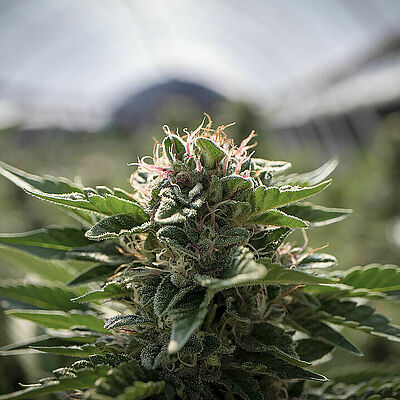
Cannabis crops can be affected by pests such as thrips, fungus gnats, spider mites, aphids, russet mites, and broad mites throughout the cultivation cycle.

Effective cannabis pest management requires a tailored, integrated approach. Koppert supports commercial growers with science-based biological crop protection and IPM strategies, combining monitoring, beneficial insects and predatory mites, and expert guidance.

By analyzing factors such as climate, crop stage, and pest pressure, we help growers implement customized solutions that support crop health, quality, and sustainable production.

  Biological solutions for Cannabis  

Filters:
Clear all filters
Show all Show less
products found:

Questions or need help?

Contact us
  • Protect crop quality with proven solutions
  • Tailored strategies to your facility
  • Reliable results every season
  • Trusted partner in cannabis cultivation
  • 50+ years of biological expertise
  • Reliable supply

Cannabis expertise with local support

Koppert supports commercial cannabis growers with expert guidance tailored to local cultivation conditions and pest pressures. Our cannabis specialists understand a wide range of growing systems, facility environments, and regional challenges across the industry.

By combining local knowledge with global biological control expertise, we help growers implement effective Integrated Pest Management (IPM) strategies for pests such as thrips, spider mites, fungus gnats, aphids, russet mites, and broad mites.

Cannabis regulations and pesticide restrictions vary by region. Koppert stays up to date with local requirements to provide biological crop protection solutions that align with both compliance standards and grower preferences.

Learn more about

Key Pests in Cannabis Cultivation

Integrated Pest Management (IPM) is essential for protecting cannabis crops from pests and diseases that can impact plant health, yield, and product quality. A successful cannabis IPM strategy combines monitoring, prevention, and biological control solutions to manage pest populations sustainably throughout the cultivation cycle.

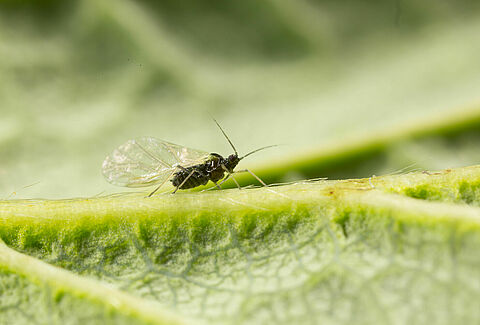
Common cannabis pests include aphids, whiteflies, thrips, spider mites, caterpillars, root aphids, and leaf miners. These pests can damage leaves, roots, flowers, and stems, reducing plant vigor and increasing the risk of secondary diseases.

Biological control plays a key role in cannabis pest management by using beneficial insects, predatory mites, parasitoids, and nematodes to target pests naturally. This approach helps growers reduce chemical inputs, support crop consistency, and maintain healthier plants.

In addition to pests, cannabis crops can be affected by fungal diseases, mold, and bacterial infections. Implementing a proactive IPM program helps growers improve crop resilience, support compliance requirements, and achieve more sustainable cannabis production.

Propagation Phase

  • Fungus gnats

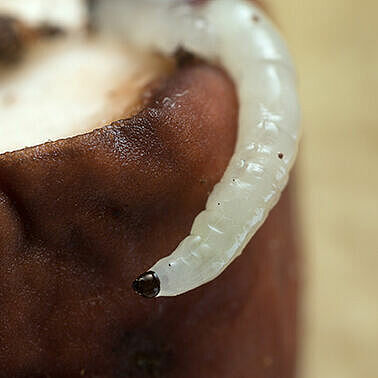
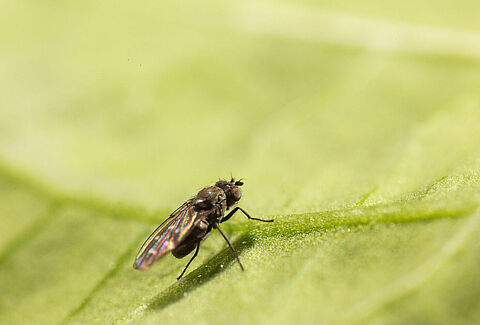
    Fungus gnat larvae are common root-feeding pests during the propagation phase of cannabis cultivation. These tiny larvae feed on young roots and organic matter in growing media, damaging delicate root systems and stunting early plant development. Infestations can lead to slower growth, weaker plants, and increased susceptibility to root diseases.

    Biological control of fungus gnats in cannabis

    Koppert offers an effective biological control strategy for fungus gnats during the cannabis propagation phase.

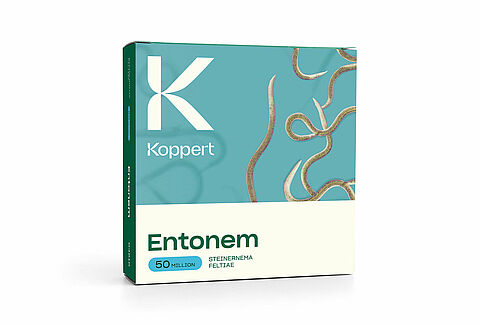
    • Entonem contains beneficial nematodes (Steinernema feltiae) that actively target and kill fungus gnat larvae in the growing media, helping protect young roots and improve plant establishment.
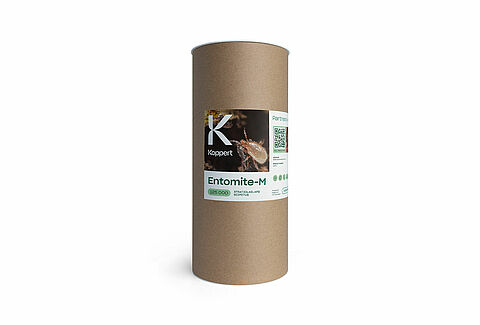
    • Entomite-M contains the predatory mite Stratiolaelaps scimitus, which feeds on fungus gnat eggs and larvae in the substrate, providing long-term preventative control in propagation trays and pots.
    • Horiver Disc sticky traps help monitor and reduce adult fungus gnat populations by trapping flying insects around the base of cannabis plants and propagation blocks.
  • Root pathogens

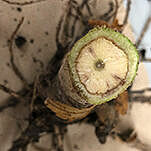
    Root pathogens such as Pythium, Rhizoctonia, Fusarium, and Phytophthora are major threats during the cannabis propagation phase. These soilborne diseases attack young roots and stems, causing damping-off, root rot, poor rooting, and weakened plant development. Infected cuttings and seedlings may show symptoms such as yellowing, wilting, stunted growth, or sudden collapse. Warm, wet growing conditions and overwatered substrates can increase disease pressure. Early prevention through proper hygiene, environmental management, and biological solutions is essential to maintain healthy root development and successful cannabis propagation.

    Biological control of root pathogens in cannabis

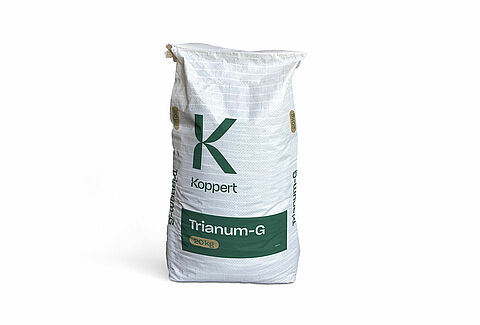
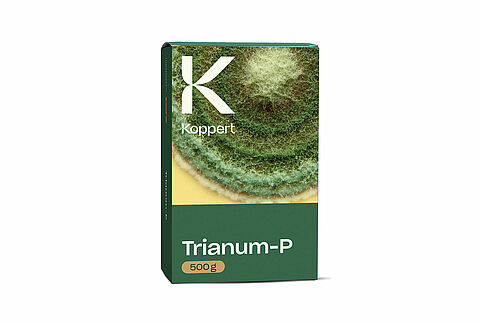
    Trianum-P is Koppert’s biological solution for preventing and controlling root pathogens during the cannabis propagation phase. Based on the beneficial fungus Trichoderma harzianum T-22, Trianum-P colonizes young roots and protects them against damaging soilborne diseases such as Pythium, Rhizoctonia, Fusarium, and Phytophthora. It works by competing with pathogens for space and nutrients, parasitizing harmful fungi, and strengthening the plant’s natural defenses.

    In cannabis propagation, Trianum-P supports stronger root development, improved nutrient uptake, and more uniform plant growth — helping young plants establish quickly under high-pressure conditions. The product can be applied preventatively through drench or irrigation systems immediately after sowing or sticking cuttings for optimal root zone protection.

Vegetative Stage

  • Aphids

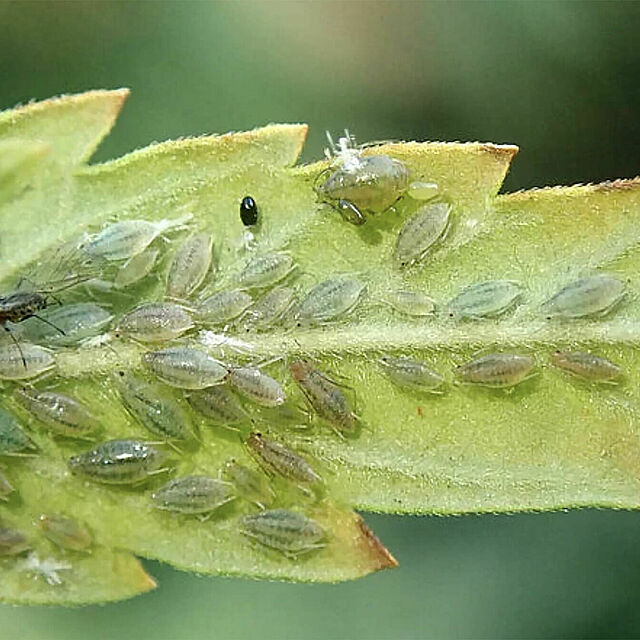
    Aphids are common cannabis pests that can rapidly reproduce and spread throughout the crop, feeding on leaves, stems, and flowers. Their feeding damage and honeydew production can reduce plant vigor, impact crop quality, and increase the risk of secondary issues such as sooty mold.

    Biological solutions for aphids in cannabis

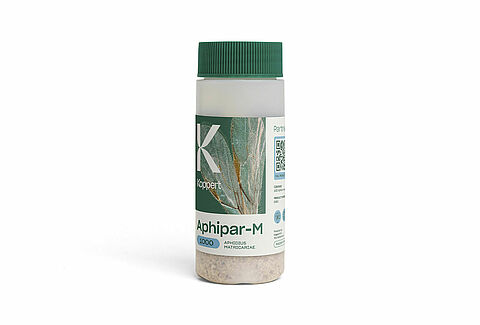
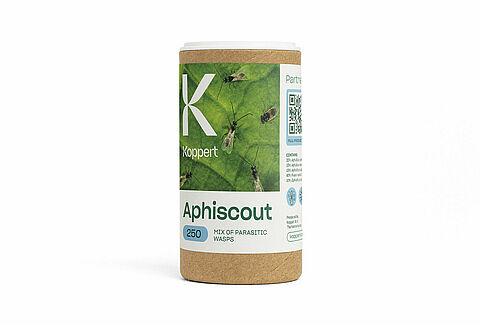
    • Aphipar-M – A parasitoid wasp that targets aphids by laying eggs inside them, stopping reproduction and reducing populations quickly.
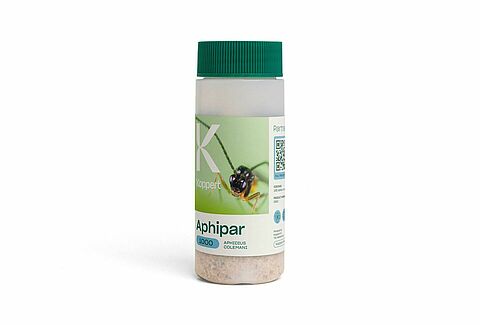
    • Aphipar – Contains beneficial parasitoids that actively search for and control multiple aphid species in cannabis crops.
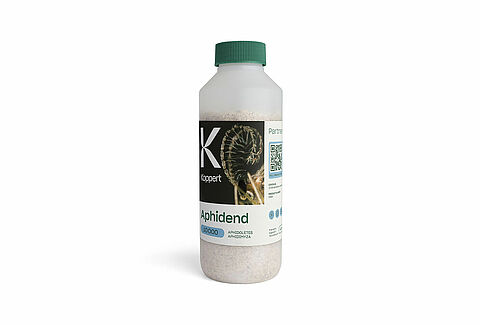
    • Aphidend – A banker plant system that continuously supports beneficial insects for long-term preventative aphid control.
    • Chrysopa – Green lacewing larvae that feed aggressively on aphids and other soft-bodied pests during all crop stages.
    • Chrysopa-E – Lacewing eggs that hatch into predatory larvae, providing preventative biological aphid control.
    • Ervipar – A specialized parasitoid wasp that effectively controls larger aphid species by parasitizing aphid colonies.
  • Root aphids

    Root aphids are destructive cannabis pests that feed on plant roots, reducing nutrient uptake and weakening overall plant vigor. Infestations can lead to slower growth, yellowing plants, reduced yields, and increased susceptibility to root diseases. Because root aphids develop below the growing media surface, early detection and preventative biological control are essential.

    Biocontrol solutions for root aphids in cannabis

    • Entomite-M – Contains the predatory mite Stratiolaelaps scimitus, which feeds on root aphid eggs and larvae in the growing media.
    • Aphipar – Beneficial parasitoids that help reduce aphid populations by parasitizing aphids before infestations spread.
    • Aphidend – A banker plant system that supports continuous populations of beneficial insects for preventative aphid management.
    • Chrysopa – Predatory green lacewing larvae that feed on root aphids and other soft-bodied pests, helping reduce pest pressure naturally.
  • Spider mites

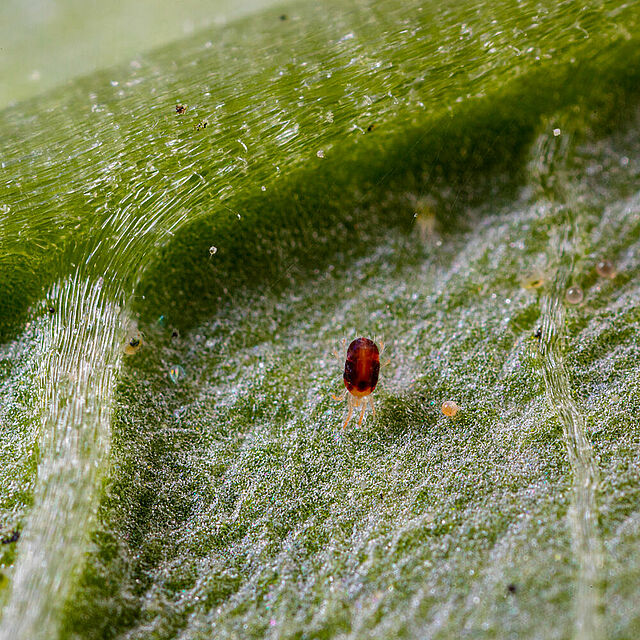
    Spider mites are one of the most damaging pests in cannabis cultivation. They feed on plant cells, causing stippling, discoloration, webbing, and rapid plant decline. Under warm and dry conditions, spider mite populations can spread quickly throughout the crop, impacting plant health and yield.

    Biocontrol solutions for spider mites in cannabis

    • Spical – Contains the predatory mite Neoseiulus californicus, which feeds on spider mites and helps prevent outbreaks.
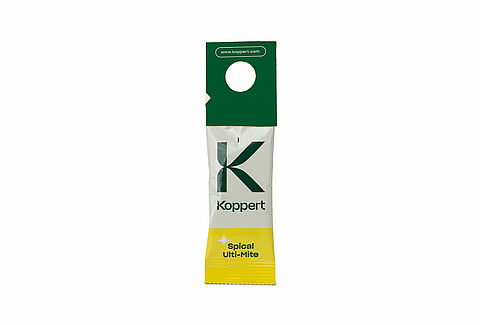
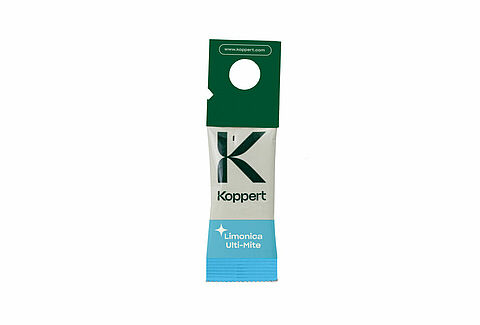
    • Spical Ulti-Mite – A slow-release sachet system that provides continuous predatory mite release for long-term spider mite prevention.
    • Spical-Plus – Combines predatory mites with additional food sources to establish populations quickly in the crop.
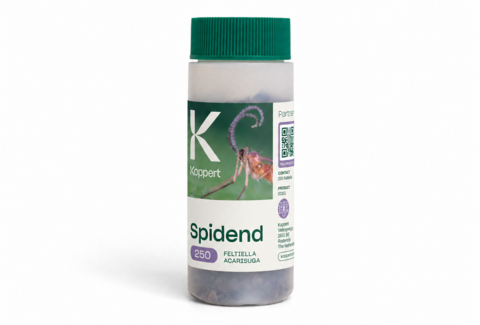
    • Spidend – Contains the predatory mite Phytoseiulus persimilis, a highly effective biological control for active spider mite infestations.
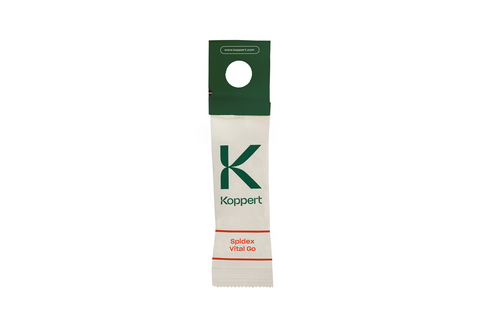
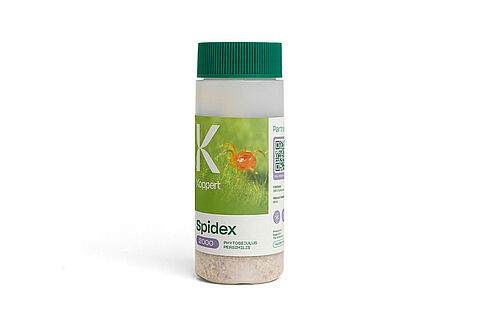
    • Spidex – A fast-acting predatory mite solution that targets spider mites in multiple crop stages.
    • Spidex Boost – Supports rapid establishment of predatory mites for faster spider mite suppression.
    • Spidex Vital – Provides effective spider mite control with enhanced predator performance under varying crop conditions.
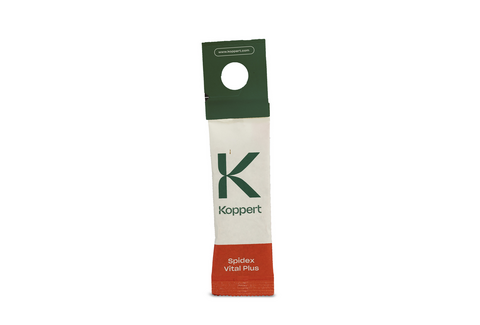
    • Spidex Vital Plus – Combines spider mite predators with supplemental nutrition for improved establishment and control.
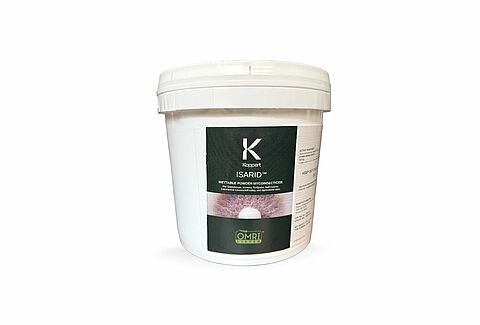
    • Isarid – A biological insecticide based on beneficial fungi that infect and control spider mites naturally.
  • Thrips

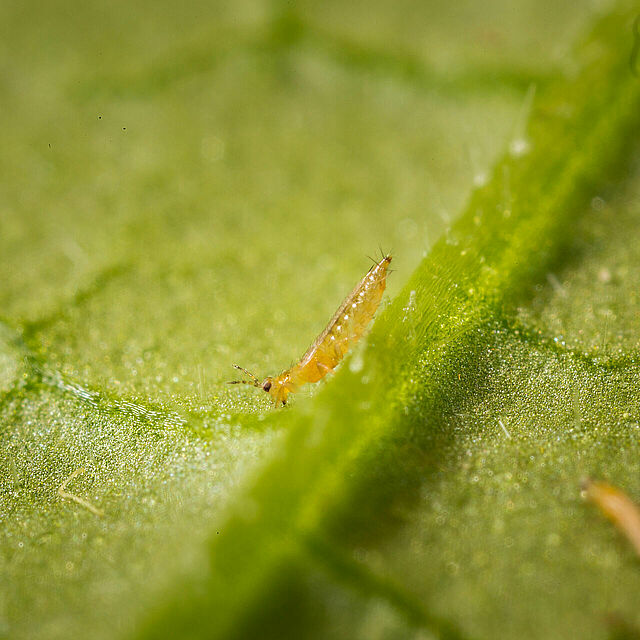
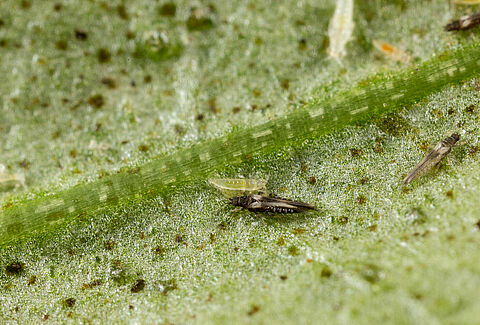
    Thrips are common cannabis pests that damage leaves and flowers by feeding on plant tissue, causing silvering, scarring, and reduced crop quality. They can also spread plant pathogens and rapidly reproduce in protected cultivation environments.

    Biocontrol solutions for thrips in cannabis

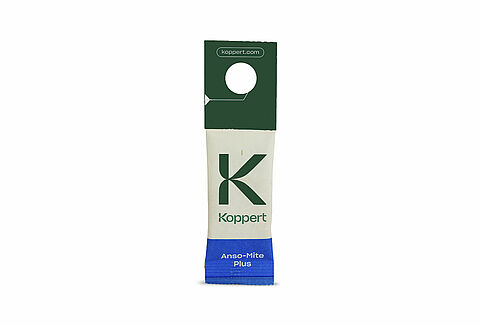
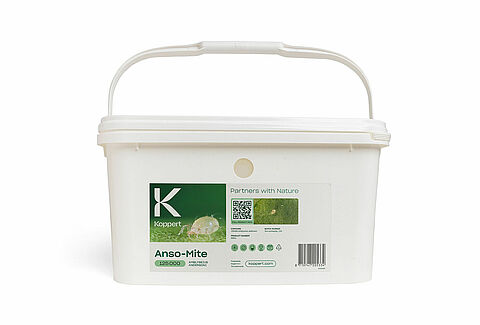
    • Anso-Mite – Contains the predatory mite Amblyseius andersoni, which feeds on thrips larvae and helps prevent infestations.
    • Anso-Mite Plus – A preventative sachet solution that continuously releases predatory mites for long-term thrips control.
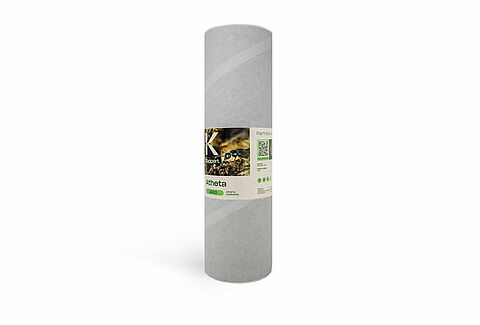
    • Atheta – A beneficial predatory beetle that targets thrips pupae and other soil-dwelling pests in the growing media.
    • Entomite-M – Predatory mites that feed on thrips pupae in the substrate, helping reduce pest populations early.
    • EntonemBeneficial nematodes (Steinernema feltiae) that target thrips pupae in the growing media for effective biological control.

Flowering Stage

  • Aphids

    Aphids are common cannabis pests that can rapidly reproduce and spread throughout the crop, feeding on leaves, stems, and flowers. Their feeding damage and honeydew production can reduce plant vigor, impact crop quality, and increase the risk of secondary issues such as sooty mold.

    Biological solutions for aphids in cannabis

    • Aphipar-M – A parasitoid wasp that targets aphids by laying eggs inside them, stopping reproduction and reducing populations quickly.
    • Aphipar – Contains beneficial parasitoids that actively search for and control multiple aphid species in cannabis crops.
    • Aphidend – A banker plant system that continuously supports beneficial insects for long-term preventative aphid control.
    • Chrysopa – Green lacewing larvae that feed aggressively on aphids and other soft-bodied pests during all crop stages.
    • Chrysopa-E – Lacewing eggs that hatch into predatory larvae, providing preventative biological aphid control.
    • Ervipar – A specialized parasitoid wasp that effectively controls larger aphid species by parasitizing aphid colonies.
  • Root aphids

    Root aphids are destructive cannabis pests that feed on plant roots, reducing nutrient uptake and weakening overall plant vigor. Infestations can lead to slower growth, yellowing plants, reduced yields, and increased susceptibility to root diseases. Because root aphids develop below the growing media surface, early detection and preventative biological control are essential.

    Biocontrol solutions for root aphids in cannabis

    • Entomite-M – Contains the predatory mite Stratiolaelaps scimitus, which feeds on root aphid eggs and larvae in the growing media.
    • Aphipar – Beneficial parasitoids that help reduce aphid populations by parasitizing aphids before infestations spread.
    • Aphidend – A banker plant system that supports continuous populations of beneficial insects for preventative aphid management.
    • Chrysopa – Predatory green lacewing larvae that feed on root aphids and other soft-bodied pests, helping reduce pest pressure naturally.
  • Spider mites

    Spider mites are one of the most damaging pests in cannabis cultivation. They feed on plant cells, causing stippling, discoloration, webbing, and rapid plant decline. Under warm and dry conditions, spider mite populations can spread quickly throughout the crop, impacting plant health and yield.

    Biocontrol solutions for spider mites in cannabis

    • Spical – Contains the predatory mite Neoseiulus californicus, which feeds on spider mites and helps prevent outbreaks.
    • Spical Ulti-Mite – A slow-release sachet system that provides continuous predatory mite release for long-term spider mite prevention.
    • Spical-Plus – Combines predatory mites with additional food sources to establish populations quickly in the crop.
    • Spidend – Contains the predatory mite Phytoseiulus persimilis, a highly effective biological control for active spider mite infestations.
    • Spidex – A fast-acting predatory mite solution that targets spider mites in multiple crop stages.
    • Spidex Boost – Supports rapid establishment of predatory mites for faster spider mite suppression.
    • Spidex Vital – Provides effective spider mite control with enhanced predator performance under varying crop conditions.
    • Spidex Vital Plus – Combines spider mite predators with supplemental nutrition for improved establishment and control.
    • Isarid – A biological insecticide based on beneficial fungi that infect and control spider mites naturally.
  • Thrips

    Thrips are common cannabis pests that damage leaves and flowers by feeding on plant tissue, causing silvering, scarring, and reduced crop quality. They can also spread plant pathogens and rapidly reproduce in protected cultivation environments.

    Biocontrol solutions for thrips in cannabis

    • Anso-Mite – Contains the predatory mite Amblyseius andersoni, which feeds on thrips larvae and helps prevent infestations.
    • Anso-Mite Plus – A preventative sachet solution that continuously releases predatory mites for long-term thrips control.
    • Atheta – A beneficial predatory beetle that targets thrips pupae and other soil-dwelling pests in the growing media.
    • Entomite-M – Predatory mites that feed on thrips pupae in the substrate, helping reduce pest populations early.
    • EntonemBeneficial nematodes (Steinernema feltiae) that target thrips pupae in the growing media for effective biological control.

Other pests

  • Caterpillars

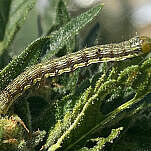
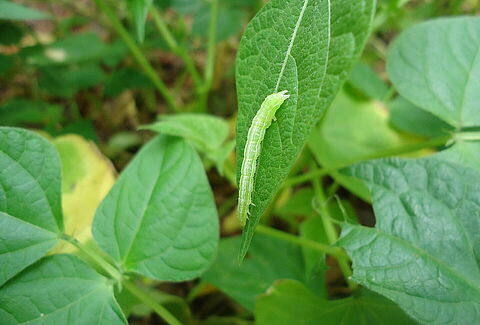
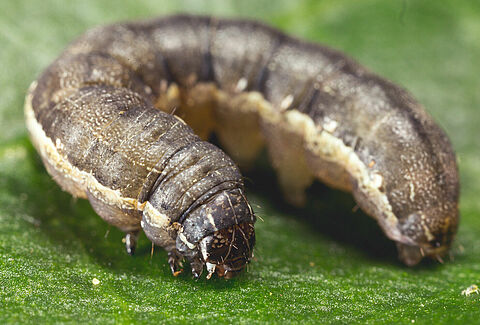
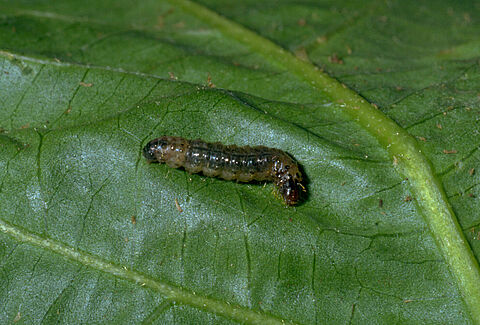
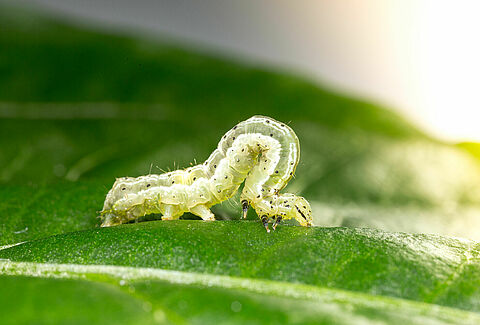
    Caterpillars can cause significant damage in cannabis cultivation by feeding directly on leaves, stems, and buds. Their feeding creates wounds that increase the risk of secondary diseases such as botrytis and bud rot, especially during dense canopy development.

    Caterpillar solutions for cannabis:

  • Whiteflies

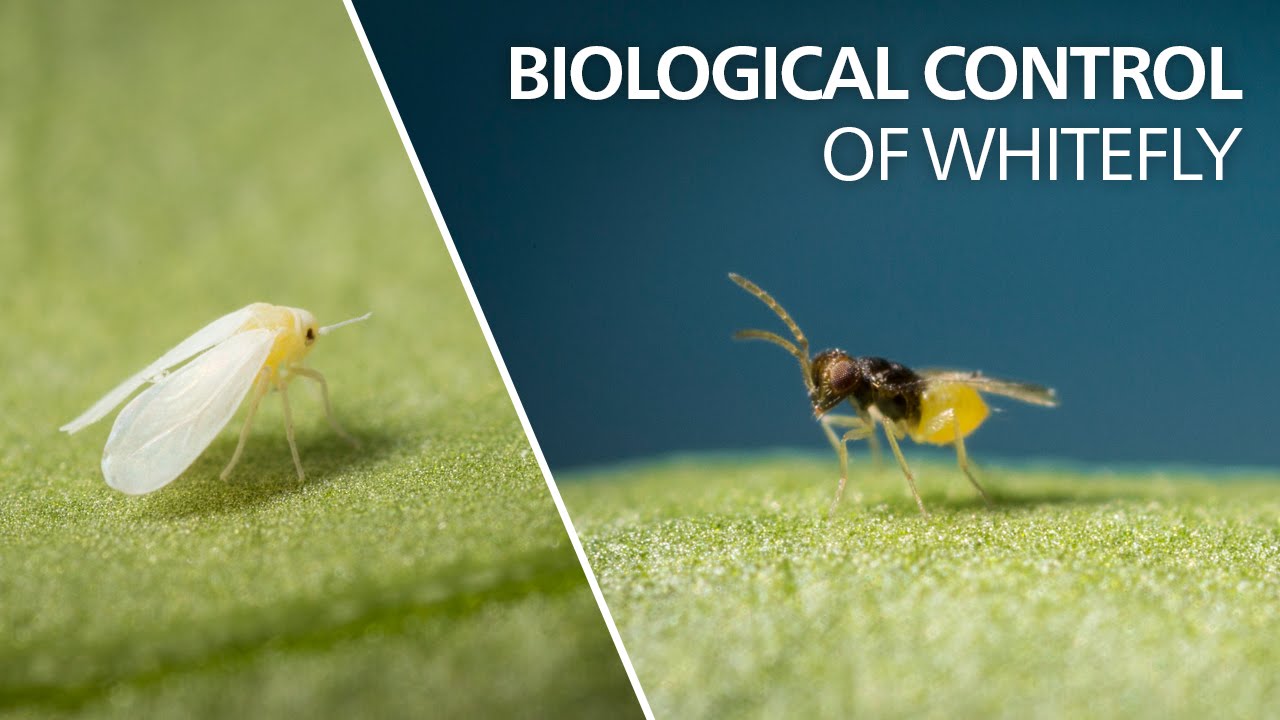
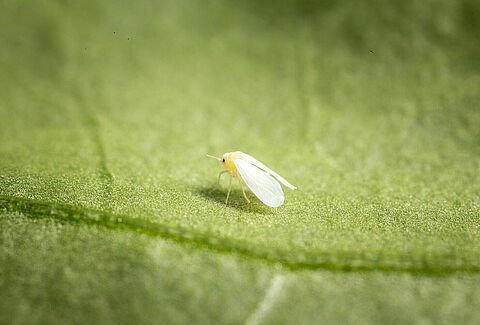
    Whiteflies are sap-feeding cannabis pests that weaken plants and leave sticky honeydew residues on leaves and flowers, negatively impacting crop quality and plant health. Heavy infestations can also increase the risk of sooty mold development.

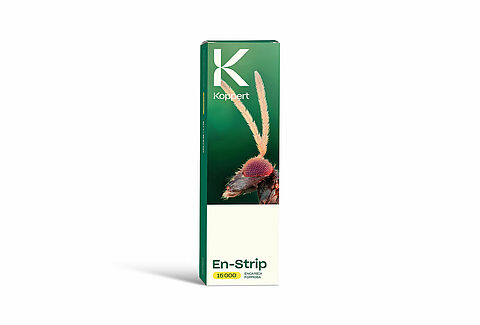
    • En-Strip – Cards containing parasitoids that target whitefly populations preventatively.
    • Enermix – A combination of beneficial parasitoids that helps control multiple whitefly species in cannabis crops.
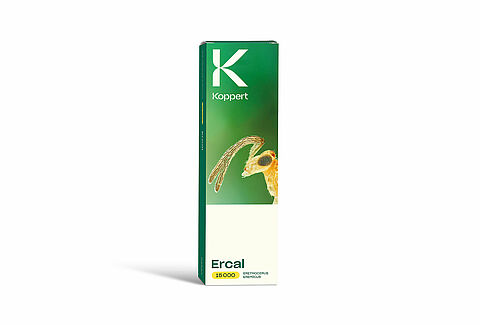
    • Ercal – Contains the beneficial parasitoid Eretmocerus eremicus, which parasitizes whitefly larvae and reduces infestations naturally.
    • Horiver Rollertrap – Sticky roller traps used for whitefly monitoring and mass trapping in cultivation facilities.
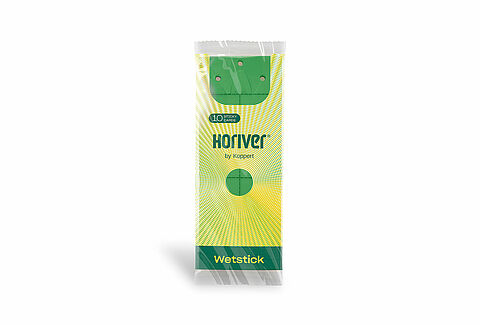
    • Horiver Wetstick – Sticky monitoring cards that help detect and reduce adult whitefly populations early.
  • Leaf Miners

    Leaf miners feed within leaf tissue, creating visible tunnels that reduce photosynthetic capacity and impact plant development. Early biological control is important to prevent population buildup in cannabis cultivation.

    Leaf miner solutions for cannabis

    • Anso-MitePredatory mites that help suppress early pest populations and support preventative IPM programs.
    • Anso-Mite Plus – Slow-release sachets that continuously introduce beneficial mites into the crop.
    • Aphidend – Banker plant system that supports ongoing populations of beneficial insects for preventative biological control.
    • Aphipar-M – Parasitoid wasps that help reduce leaf miner populations by targeting developing larvae.
    • Aphipar – Beneficial parasitoids that provide natural, long-term control of leaf miners and other soft-bodied pests.

to be deleted - Cannabis pests

Aphids

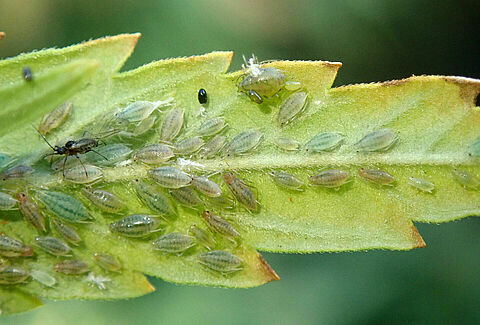
Aphids pose a significant challenge in cannabis cultivation, with several prominent species specifically affecting the crop. Notably, the Cotton aphid (Aphis gossypii), the Potato aphid (Macrosiphum euphorbiae), the Green peach aphid (Myzus persicae), the Cannabis aphid (Phorodon cannabis), and the Rice root aphid (Rhopalosiphum rufiabdominale) are among the key aphid species that can infest cannabis plants. These pests have the potential to cause substantial damage, as they feed on the plant's sap and reproduce rapidly. Their feeding activities can lead to stunted growth, distorted leaves, and even the transmission of viral diseases.

Leaf miners

Leaf miners are a challenge to cannabis crops, and several species stand out as significant pests. Tomato leaf miner (Liriomyza bryoniae), Pea leaf miner (Liriomyza huidobrensis), and American serpentine leaf miner (Liriomyza trifolii) are among the most notorious leaf miner species affecting cannabis. These tiny insects lay their eggs in cannabis leaves, and the larvae that hatch proceed to tunnel through the leaf tissue, creating distinctive winding mines that can severely damage the foliage. As a result, the plant's ability to photosynthesize and produce energy is compromised, leading to reduced yields and overall weakened cannabis plants.

Mealybugs

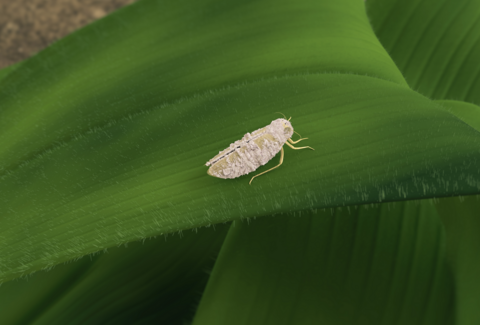
In some cases mealybugs can be a problem in cannabis. These small, soft-bodied insects feed on the sap of cannabis plants, causing stunted growth and yellowing of the leaves. Their waxy, cotton-like appearance makes them easily recognizable on the plant surfaces. Mealybug infestations can weaken cannabis plants and impact overall yields.

Caterpillars

Caterpillars can present significant challenges to cannabis cultivation, with various species wreaking havoc on the plants. Two particularly notorious pests are the Hemp moth (Grapholita delineana) and the Beet armyworm (Spodoptera exigua). The presence of Grapholita delineana caterpillars often leads to the manifestation of bud rot and decreased yield, as they tunnel into developing flower buds, leaving them susceptible to fungal infections. On the other hand, the voracious appetite of the Spodoptera poses a threat as they defoliate cannabis plants, weakening their overall health and vitality.

Thrips

Thrips pose a persistent threat to cannabis crops, with species like Western flower thrips (Frankliniella occidentalis), Onion thrips (Thrips tabaci) and Impatiens thrips (Echinothrips americanus) causing notable concern. These tiny insects have the potential to inflict substantial damage by puncturing plant cells and feeding on the sap, ultimately stunting growth and causing deformities in leaves and flowers.

Whitefly

Whitefly can be highly problematic in cannabis, with two notable species of concern being the Tobacco whitefly (Bemisia tabaci) and Greenhouse whitefly (Trialeurodes vaporariorum). These small, winged insects feed on cannabis plants by piercing the phloem and extracting sap, leading to yellowing, wilting, and reduced plant vigour. Whitefly infestations can cause significant damage, hinder plant growth, and ultimately impact yields. Furthermore, whiteflies are known to secrete honeydew, promoting the growth of sooty mold that further interferes with photosynthesis.

Plant bugs

Lygus spp. pierce through plant tissues and feeds on the sap, causing distorted growth and blemished leaves in cannabis crops. Furthermore, its feeding behavior can lead to the development of necrotic spots and reduced flower quality.

Spider mites

Tetranychus urticae, also known as the Two-spotted spider mite, inflicts considerable harm to cannabis crops by piercing plant cells and extracting essential fluids, resulting in stippled leaves, webbing, and a general decline in plant health. These mites are notorious for their rapid reproductive rates, enabling them to swiftly multiply and overrun cannabis crops.

Other pest mites

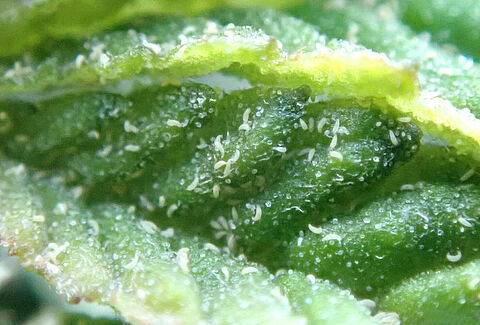
Russet mites, such as the Hemp russet mite (Aculops cannabicola) are troublesome pests within the Eriophyidae family, which have a notable impact on cannabis plants. Aculops cannabicola infests cannabis crops, leading to distorted growth, necrosis, and decreased yields. The Broad mite (Polyphagotarsonemus latus) is a mite of the family Tarsonemidae and can also be a severe problem in cannabis crops.

Fungus gnats

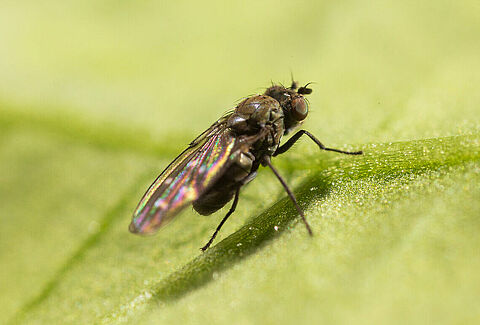
Fungus gnats or Sciarid flies can wreak havoc on cannabis plants, particularly in indoor growing environments. Fungus gnats like Bradysia impatiens are small flies that lay their eggs in damp soil. Their larvae feed on organic matter in the soil and can damage the roots of cannabis plants, leading to stunted growth and decreased vigour. The presence of these pests can also increase the risk of fungal diseases. Sciaridae species share similar habits and can contribute to the overall stress and reduced health of cannabis plants.


to be deleted - Biological pest control in cannabis

Thrips control

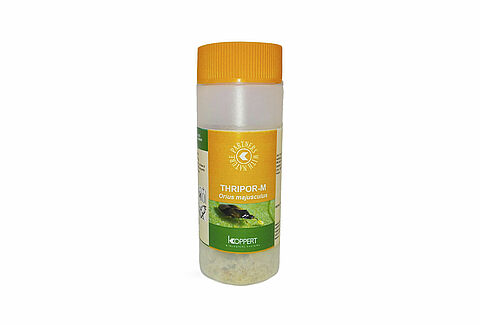
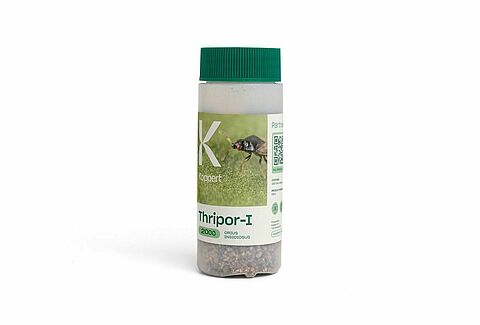
Biological pest control of thrips in cannabis can be achieved effectively through the use of various biocontrol agents. Predatory mites such as Amblyseius swirskii (Swirski-Mite, Swirski Ulti-Mite) are valuable allies in thrips management, as they feed on thrips eggs and larvae. Isaria fumosorosea (Isarid) a biological pesticide, can be applied to target thrips populations and inhibit their growth. For additional control, predatory bugs such as Orius laevigatus (Thripor-L) and Orius insidiosus (Thripor-I) can be introduced, as they feed on thrips at different stages of development.

Fungus gnat control

In the realm of cannabis cultivation, biological solutions have emerged as effective allies in combatting the challenges posed by sciarid flies. Among these innovative products, the entomopathogenic nematode Steinernema feltiae (Entonem) targets fungus gnat larvae. This microscopic predator actively seeks out and infects its host, effectively reducing the pest population. Similarly, the predatory mite Stratiolaelaps scimitus (Entomite-M) preys on fungus gnat larvae, further controlling their numbers. The predatory beetle Atheta coriaria (Atheta) offers an additional layer of defense by feeding on the larvae present in the growing medium. Adding to this arsenal is Isaria fumosorosea (Isarid), a biological pesticide that utilizes Isaria fumosorosea to naturally eliminate fungus gnats.

Spider mite control

Biological pest control of spider mites in cannabis crops can be achieved effectively through the use of beneficial predatory organisms. Several biocontrol agents have shown efficacy in controlling spider mite populations. Neoseiulus californicus (Spical, Spical Ulti-Mite) and Phytoseiulus persimilis (Spidex, Spidex Boost, Spidex Vital, Spidex Vital Plus) are predatory mites that target and feed on spider mites, including species like Two-spotted spider mite (Tetranychus urticae). These predatory mites actively seek out spider mite colonies and consume them, helping to reduce their numbers and prevent further damage to the cannabis plants.
Aphid control

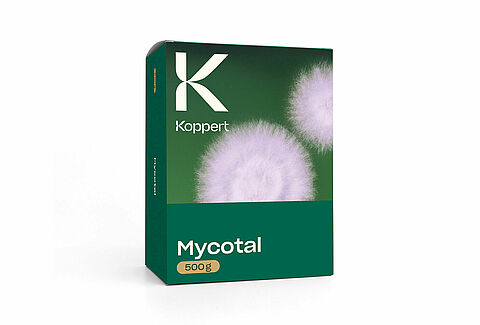
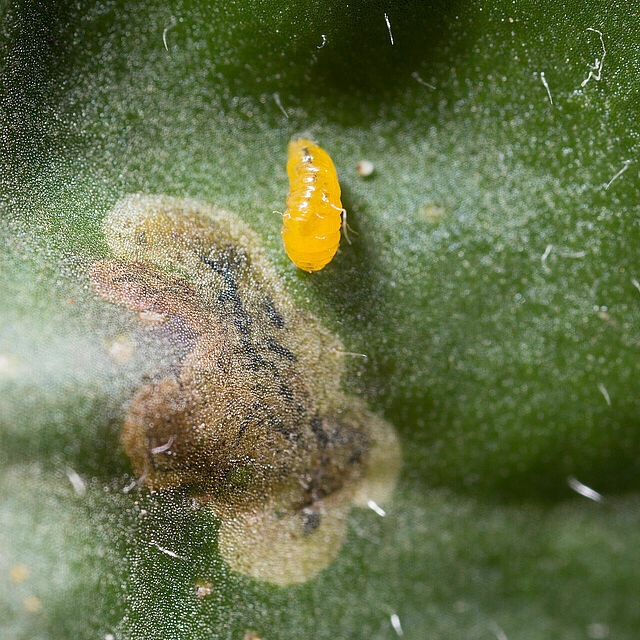
Biological pest control is an effective approach to managing aphid infestations in cannabis crops. Several beneficial organisms are utilized as biocontrol agents to suppress aphid populations. Parasitic wasps, including Aphidius colemani (Aphipar), Aphidius matricariae (Aphipar-M), Aphidius ervi (Ervipar) parasitise and control aphid populations by laying eggs inside aphids. Chrysoperla carnea (Chrysopa, Chrysopa-E), commonly known as the green lacewing, is another beneficial insect that feeds on aphids at various life stages. The biological pesticides Lecanicillium muscarium Ve6 (Mycotal) and Isaria fumosorosea (Isarid) infect and kill aphids, contributing to population reduction.

Whitefly control

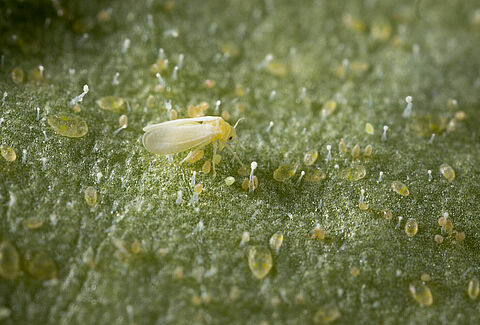
Biological pest control of whiteflies in cannabis crops can be achieved through the use of various biocontrol agents. Amblyseius swirskii (Swirski-Mite, Swirski Ulti-Mite) are predatory mites that feed on whitefly eggs and nymphs, providing long-term suppression. Lecanicillium muscarium Ve6 (Mycotal) and Isaria fumosorosea (Isarid), biological pesticides, can be applied to target whitefly populations and disrupt their development. The parasitic wasps Encarsia formosa and Eretmocerus eremicus (Enermix) that parasitise whitefly nymphs, and the predatory bug Macrolophus pygmaeus (Mirical) effectively control whitefly populations.
Russet mite control

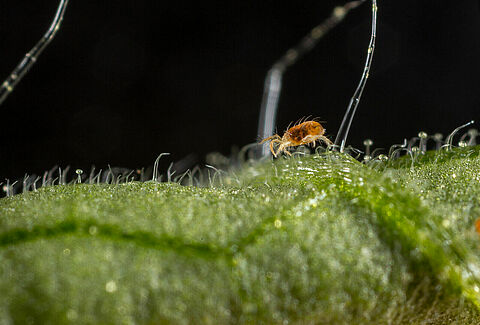
Predatory mites offer a promising approach to tackle russet mites. Amblyseius swirskii (Swirski-Mite, Swirski Ulti-Mite) and Neoseiulus californicus (Spical, Spical Ulti-Mite) not only consume these harmful arachnids but also prevent their population from spiraling out of control. With their voracious appetites for pests, these predatory mites serve as natural biocontrols, maintaining a balanced ecosystem within the cannabis environment.

Caterpillar control

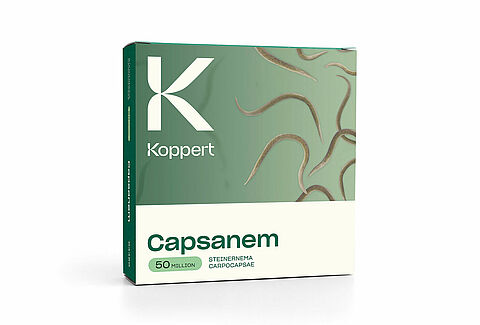
The use of beneficial nematodes, including Steinernema carpocapsae (Capsanem), has proven to be successful in controlling caterpillar populations. These nematodes are entomopathogenic, meaning they infect and kill the caterpillars. Once applied, the nematodes actively seek out the caterpillar larvae, penetrate their bodies, and release bacteria that quickly multiply, leading to the demise of the pests. Beneficial nematodes are highly effective in controlling caterpillar populations due to their unique biological characteristics. This method of biological control is highly targeted, as the nematodes specifically seek out caterpillar hosts, making them efficient and environmentally friendly agents in reducing caterpillar populations.
Leaf miner control

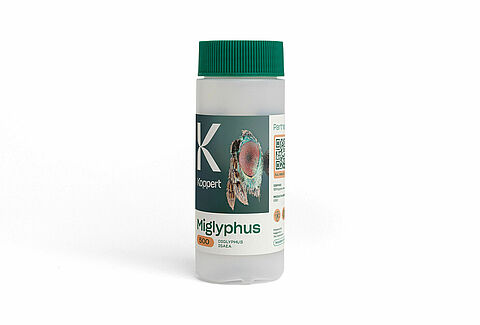
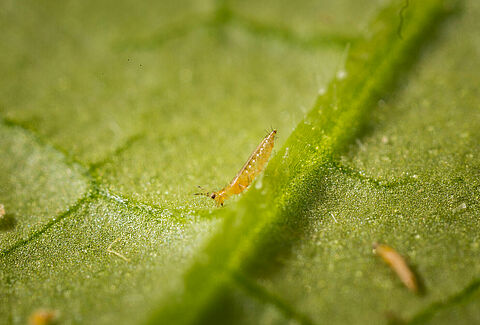
Several biocontrol agents have proven to be beneficial in suppressing leaf miner populations in cannabis crops. The parasitic wasps Diglyphus isaea (Miglyphus) and Dacnusa sibirica (Minusa), are effective natural enemies of leaf miner larvae and the predatory bug Macrolophus pygmaeus (Mirical) contributes to the management of leaf minre larvae.

to be deleted - Pest monitoring and scouting in cannabis crops  

Scouting and monitoring are fundamental practices in integrated pest management (IPM) for cannabis growers. These proactive approaches involve regular and systematic inspection of crops to identify the presence and severity of pests and diseases. Growers use various techniques, including visual inspections, traps, and modern technologies like remote sensing and digital image analysis, to track potential threats.

Scouting typically begins before planting and continues throughout the growing season, with a focus on early detection. Early identification of pests and diseases allows for timely intervention, reducing the risk of widespread infestations or outbreaks. Monitoring involves recording data on pest and disease populations, their distribution, and environmental conditions. By identifying issues promptly, growers can minimize the impact on crop yield and quality while reducing the environmental footprint associated with chemical treatments.
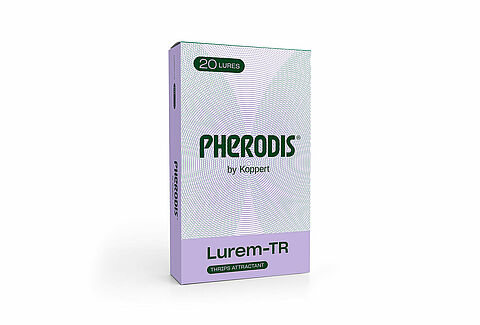
Pheromone and lures (Pherodis, Lurem-TR, Attracker) in combination with traps (Deltatrap, Funnel Trap) or sticky traps (Horiver) play a crucial role in monitoring and scouting for plant pests in agriculture and horticulture. Rollertraps are used in case large numbers of whiteflies and thrips are present. These tools are designed to attract, capture, and help identify specific pests, allowing growers to assess pest populations and make informed management decisions.

Crop scouting with Natutec Scout

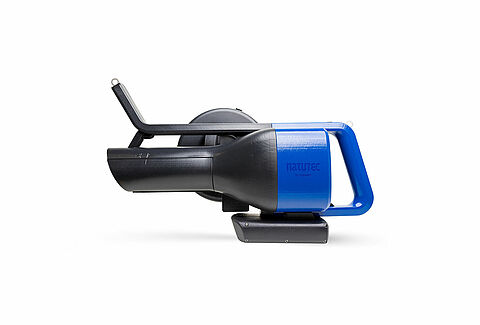
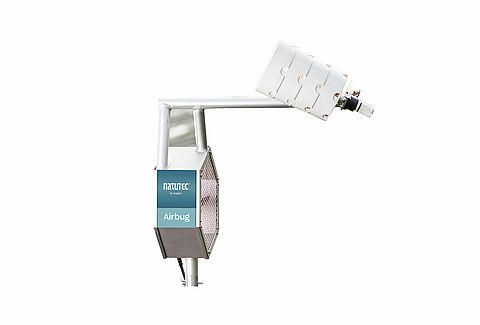
Using a crop scouting tool can lead to more effective, sustainable, and profitable crop production by providing precision pest monitoring and real-time pest detection alerts. Natutec Scout is a crop scouting tool for effective and efficient pest monitoring.
With Natutec Scout you can use your preferred scout method. Record scout observations by mobile phone manually or use the scanner for Horiver sticky cards for automatic detection of pests. The dashboard provides you with a complete overview of your scouting data which can be extended by uploading historical scouting observations. The real-time pest detection alerts let you stay ahead of potential crop damage.

to be deleted - Cannabis plant diseases

Cannabis crops can be susceptible to various fungal and bacterial pathogens. These pathogens can cause significant damage to the plants, leading to reduced yields and quality. Fungal diseases, such as Botrytis spp., Fusarium wilt, Phytophthora spp., Powdery mildew and Pythium spp., pose serious threats to cannabis cultivation. These fungal infections can spread rapidly under favourable conditions and impact the overall health of the crop. Disease management in cannabis crops requires preventive measures to mitigate the impact of these diseases and ensure a successful cannabis harvest.

to be deleted - Disease control in cannabis  

Trichoderma harzianum (Trianum) is a beneficial fungus that can be used in cannabis cultivation to prevent and control diseases. This fungus is known for its ability to colonize the roots of plants and produce enzymes that degrade harmful fungi in the soil, that cause root rot and other diseases. By promoting the growth of Trichoderma in the soil, growers can improve the overall health and resilience of their cannabis crops, reducing the need for chemical fungicides. Trichoderma harzianum (Trianum) can be applied to the soil or as a foliar spray to prevent and control diseases.

to be deleted - About

Cannabis is an annual, dioecious, flowering herb. The leaves are palmately compound or digitate, with serrate leaflets. Cannabis is an annual plant that has a growth period of April – September in outdoor cultivation. Indoor cultivation (hydroponic or soil) is grown on a continuous basis. Cannabis belongs in the family Cannabaceae and may include three species, C. sativa, C. indica, and C. ruderalis, (APG II system) or one variable species.

Medical cannabis (or medical marijuana) refers to the use of cannabis and its constituent cannabinoids, to treat disease or improve symptoms. Cannabis is used to reduce nausea and vomiting during chemotherapy, to improve appetite in people with HIV/AIDS, and to treat chronic pain and muscle spasms.

Need help?