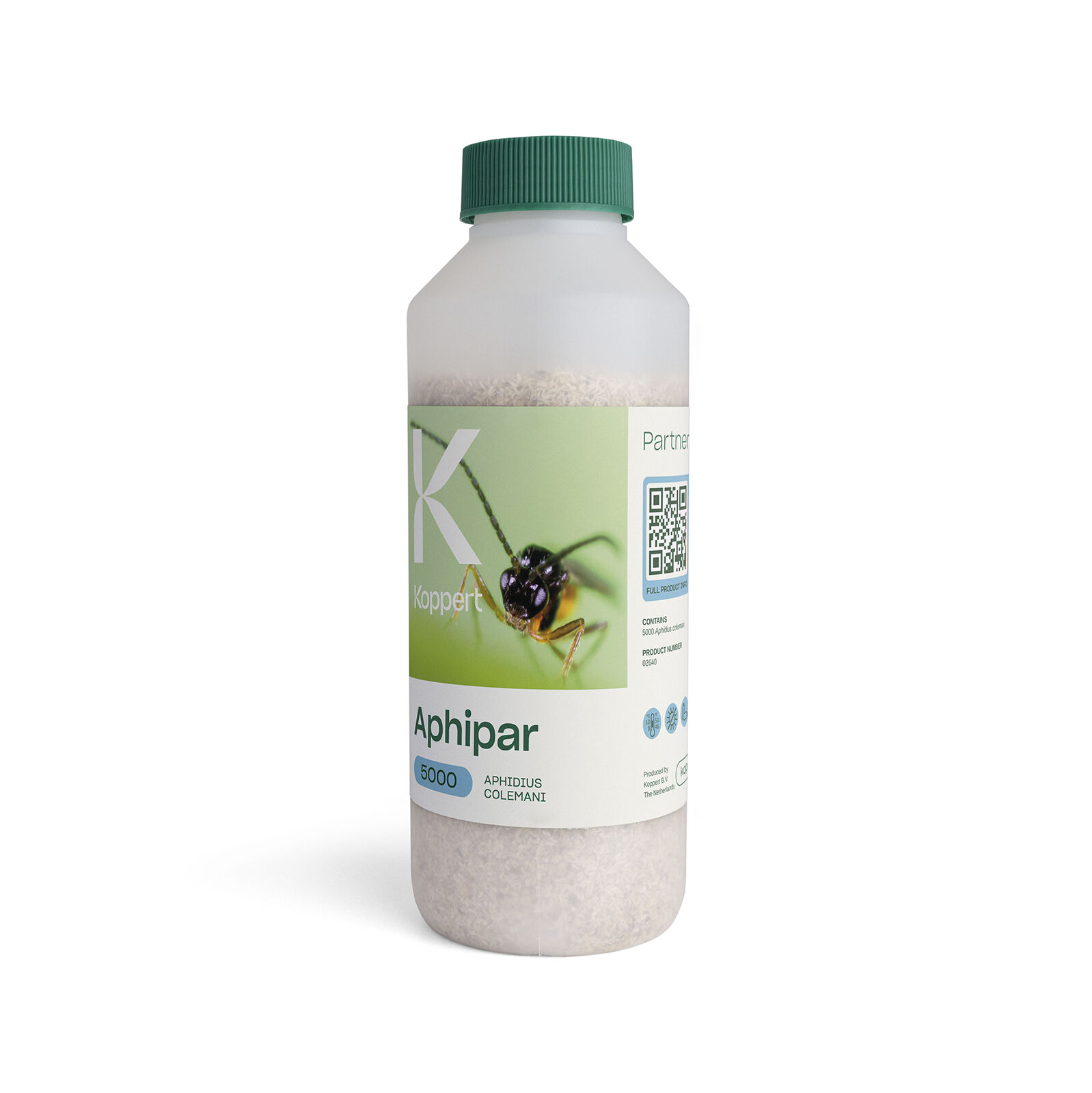
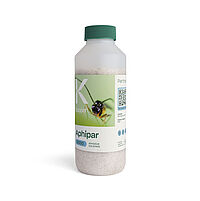
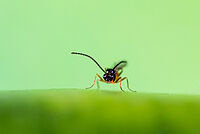
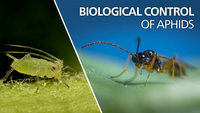

Aphipar
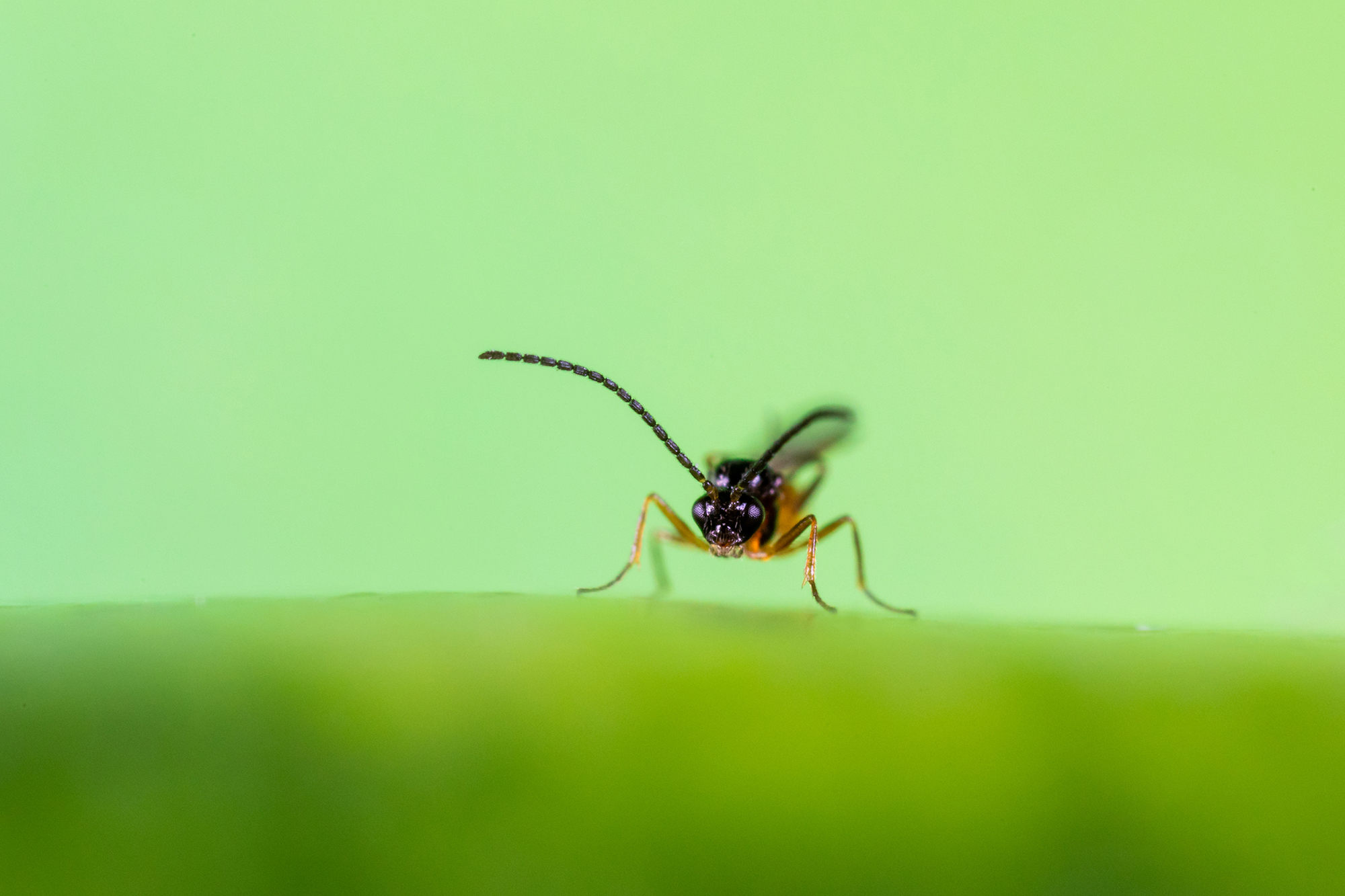
- Aphidius colemani
- Parasitic wasps
Use for:
-
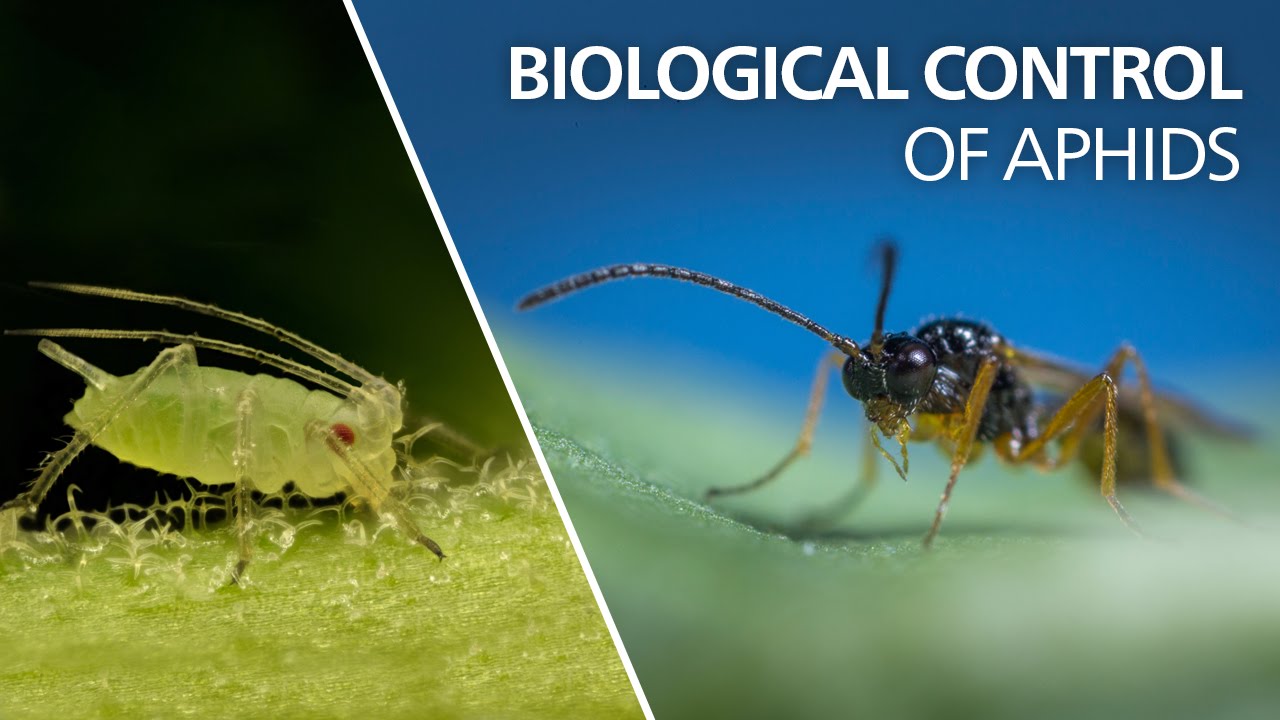
For the control of aphids, especially Myzus spp. and cotton aphid
-
Can be used preventively or at first signs of pest presence
- Jump to:
- Use for
- Product details
- Directions for use
Use for
Pests
Especially for cotton aphid (Aphis gossypii); tobacco aphid (Myzus persicae var. nicotianae); peach-potato aphid (Myzus persicae var. persicae).
"The general conditions of Koppert (Koppert B.V. and/or of its affiliated companies) apply. Only use products that are permitted in your country/state and crop. Always comply with the conditions specified in local product registrations. Koppert cannot be held liable for unauthorized use. Koppert is not liable for any loss of quality if the product is stored for longer than recommended and/or under incorrect conditions."
Product details
Mode of action
Adult parasitic wasps emerge from the mummies and females lay their eggs into aphids. The next generation of parasitic wasps develops inside the aphid, which converts into a leathery mummy. The adult parasitic wasp emerges through a hole at the rear of the mummy. The first mummies are noticed in the crop around 10-14 days after the first introduction.
Visual effect
Parasitized aphids turn into a brown mummy.
Product specifications
| Pack size | 500; 1,000; 5,000 mummies. |
| Presentation | 100 ml; 500 ml bottles. |
| Carrier | Wood chips. |
Directions for use
Dosage
The dosage of Aphipar depends on climate, crop and aphid density and should always be adjusted to the particular situation. Start introduction preventively soon after planting of the crop. Introduction rates typically range from 0.25-4 per m2/release. Releases should be repeated at least 3 times. Consult a Koppert advisor or a recognized distributor of Koppert products for advice on the best strategy for your situation.
Environmental conditions
Most effective between 20 and 25°C (68 and 77°F). Effectivity is reduced at temperatures above 30°C/86°F.
Combined use
Can be used in combination with other aphid biocontrol agents, such as Aphidend.
Storage time after receipt
Apply as soon as possible after receipt. If necessary, the product can be stored for 1-2 days.
Storage temperature
8-10°C/47-50°F.
Storage conditions
In the dark.
Side effects
Pesticides can have (in)direct effects on biological solutions. Find out which pesticides have side effects on this product.
Koppert One – Side Effects