
Damage symptoms
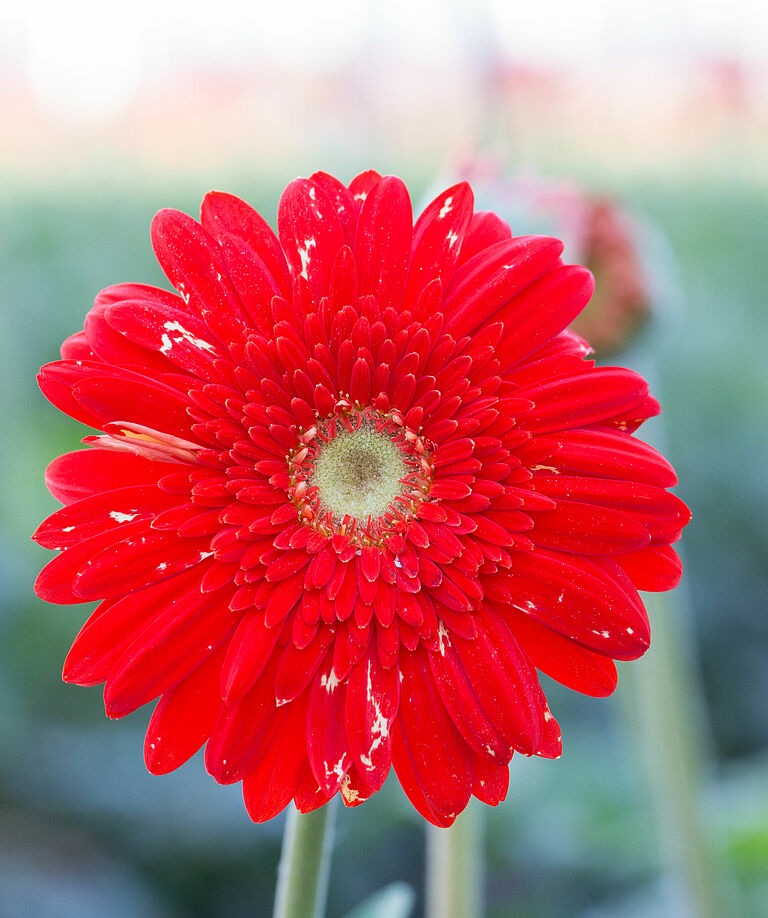
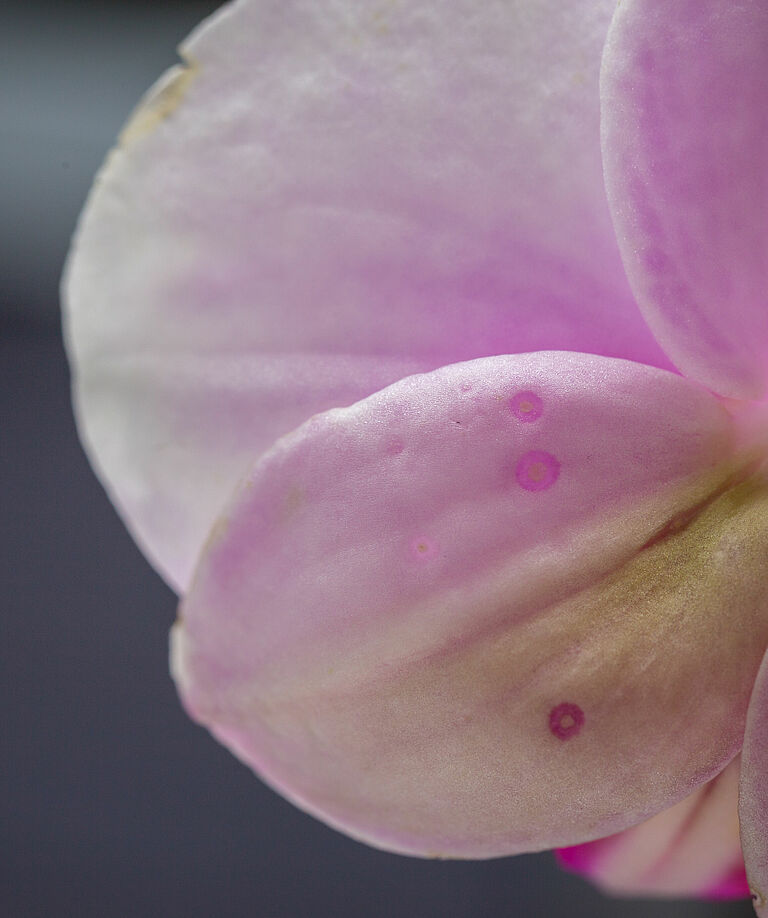
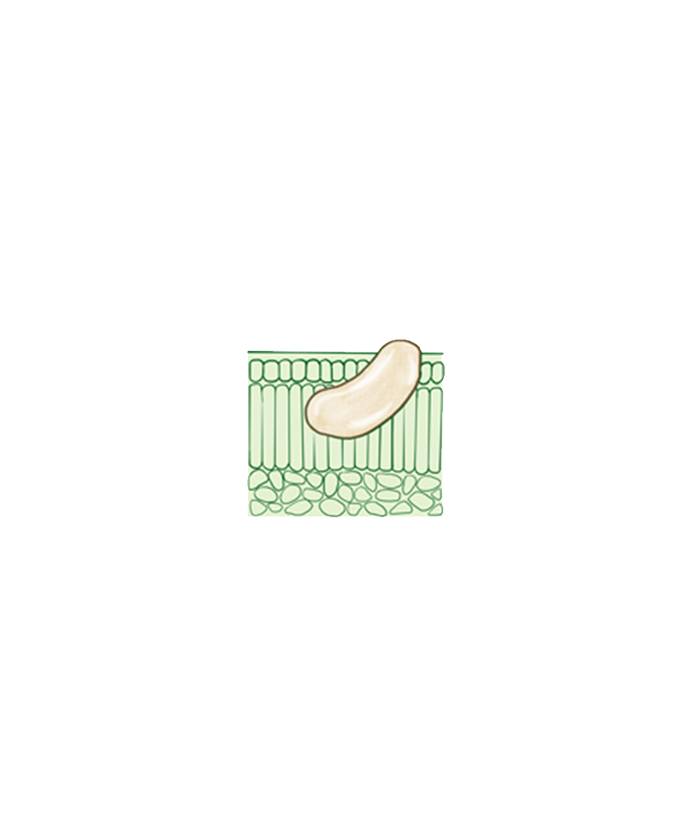
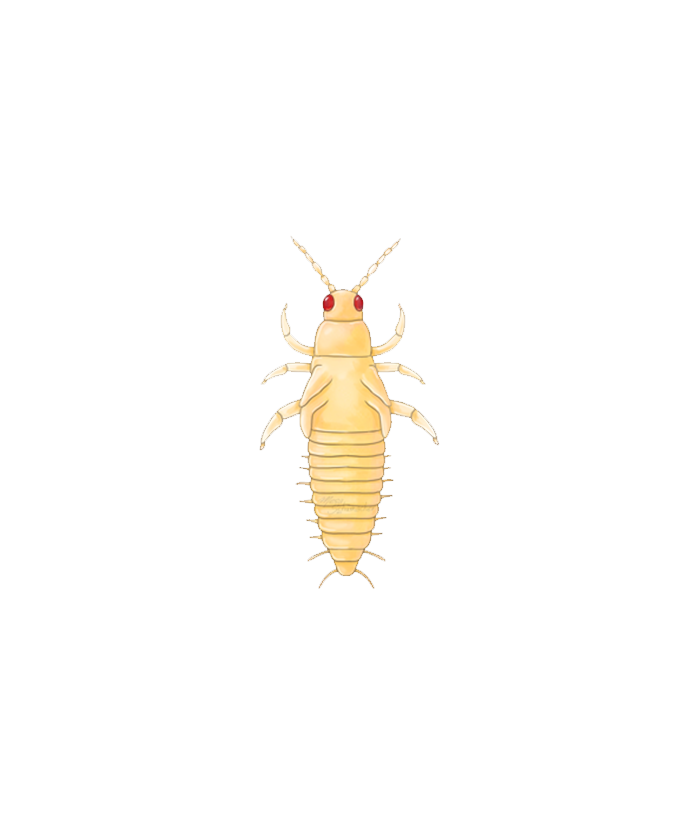
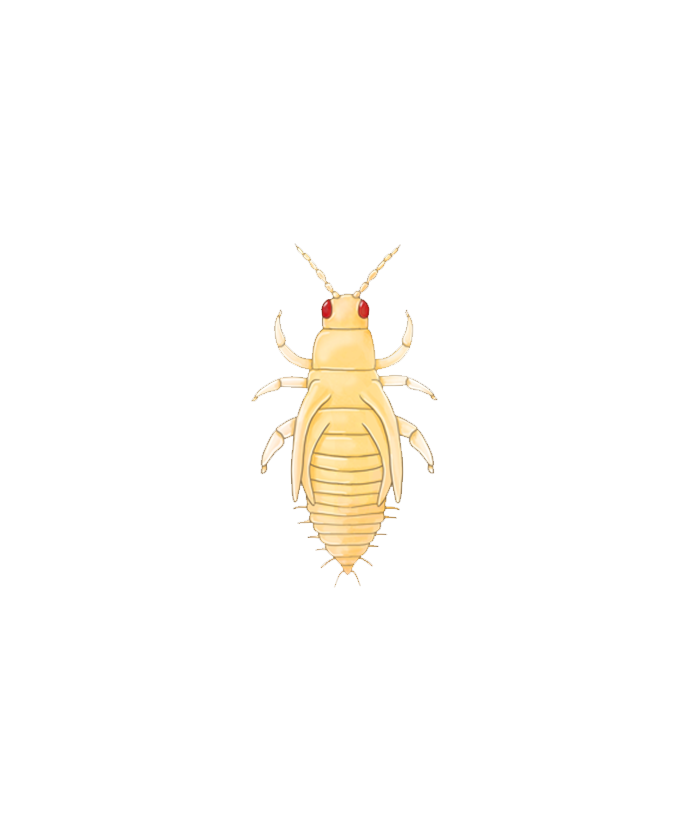
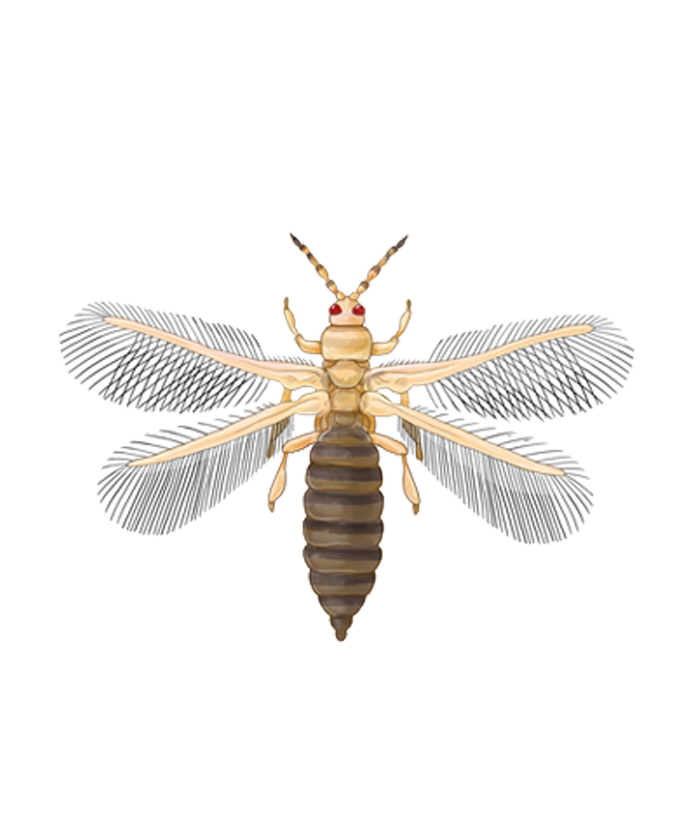
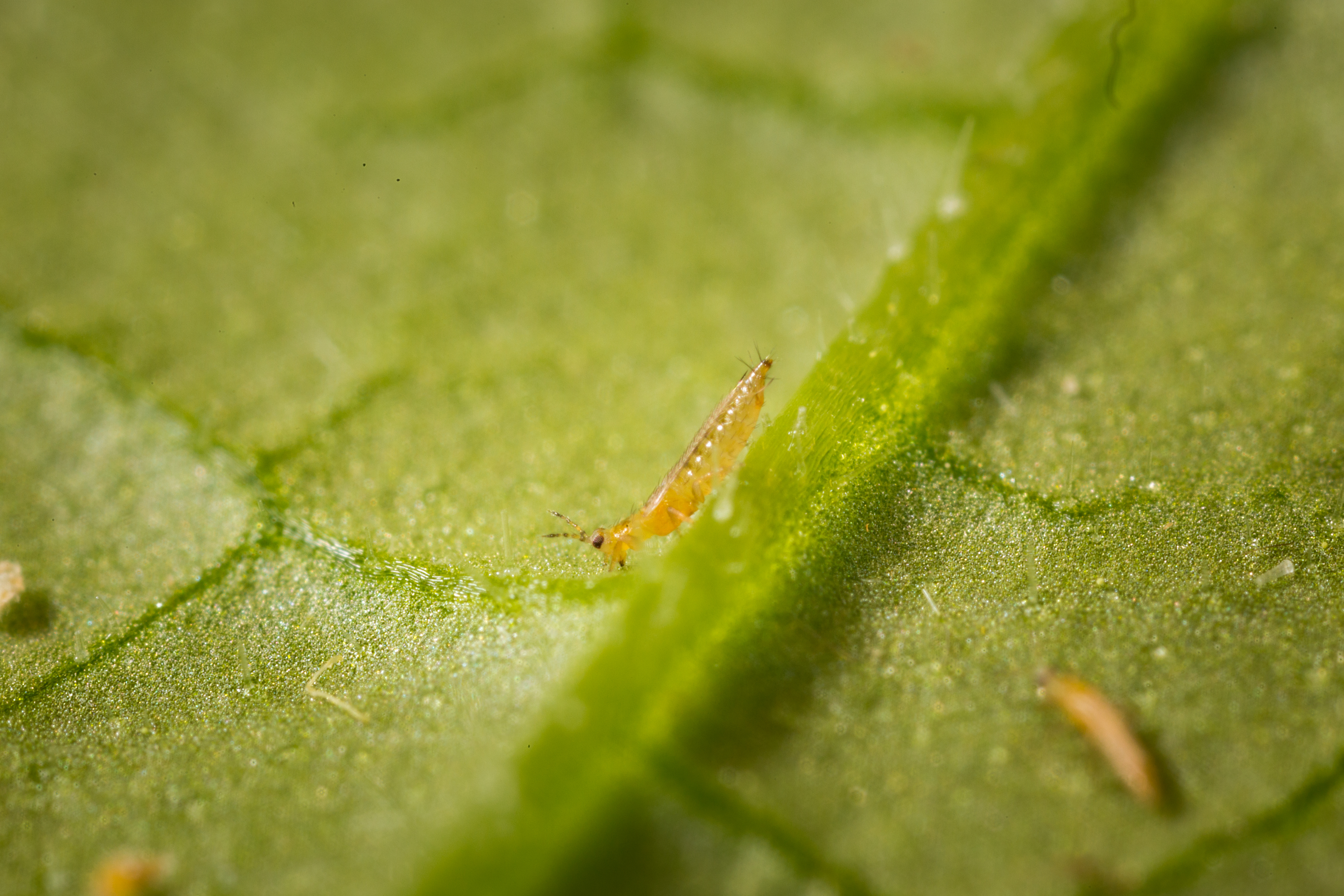
Thrips cause damage to plants by piercing the cells of the surface tissues and sucking out their contents, causing the surrounding tissue to die. The resulting silver-grey patches on leaves and the black dots of their excreta indicate their presence in the crop. The vigour of the plant is reduced by loss of chlorophyll. When infestations become serious the leaves themselves can shrivel.
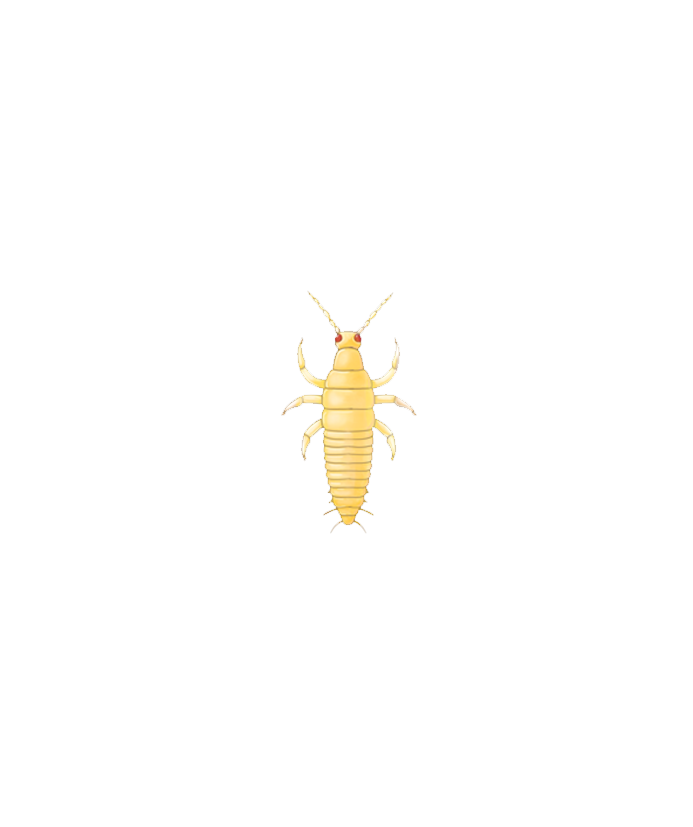
Western flower thrips (Frankliniella occidentalis) prefer to feed on developing plant tissues such as growing tips and flower buds. When these tissues develop further, the leaves and flowers can appear grossly deformed. Severely infested flower buds may not open at all. Fruits can also be damaged, even at low densities, giving rise to deformities such as the “pig-tail” fruit sometimes found in cucumber crops. In many ornamental crops, even very low numbers of thrips can cause damage by transmitting viruses, or by reducing aesthetic value by damaging flowers, e.g. in roses
The western flower thrips (Frankliniella occidentalis) is the most important vector for both tomato spotted wilt virus (TSWV) and impatiens necrotic spot virus (INSV). Both viruses affect a wide range of plants, and often a single host plant may be infected by both viruses.