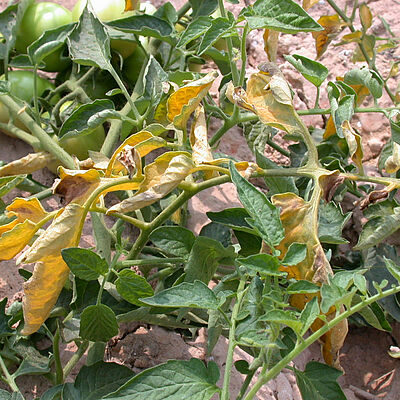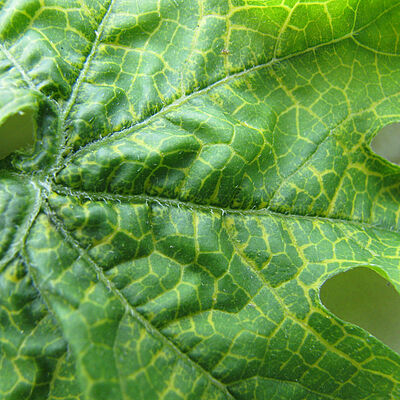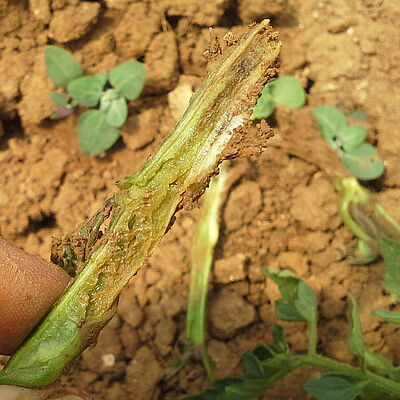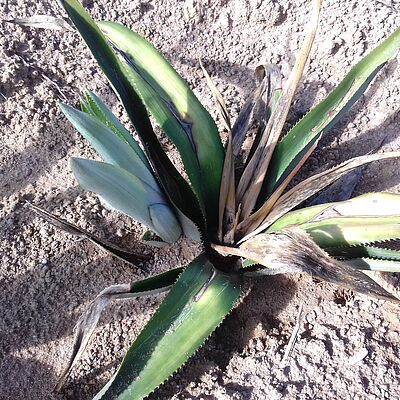

Damage symptoms of Fusarium spp.
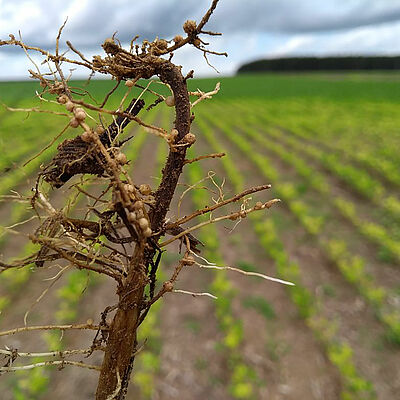
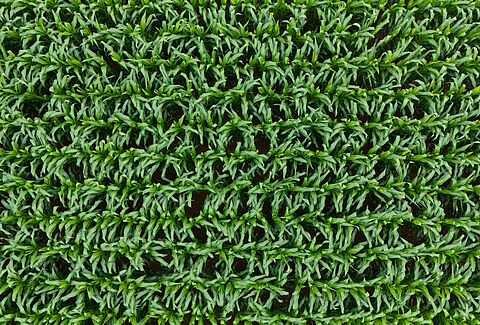
Fusarium fungi cause vascular wilt, root rot, foot and stem rot, leaf lesions, fruit rot, head blight in cereals, and post-harvest decay.
Fusarium oxysporum (Fusarium wilt) is the species that causes vascular wilt. Initially, the leaves turn yellow and wilt, mostly on one side of the plant. Finally, the whole plant wilts. Other symptoms are brown discolouration of the xylem vessels, which can be seen when the stems are cut. In banana, whole plantations may die, and the soil may not be suitable for planting for many years subsequently.
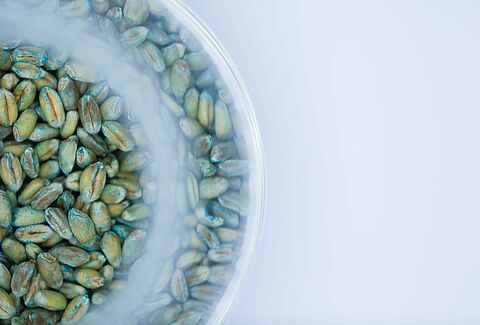
F. graminearum/Gibberella zeae (Fusarium head blight or scab) (anamorph/teleomorph) causes seedling damping-off. On the foot of the stem, brown discolouration occurs. Infected glumes and kernels become white, due to dehydration, and later turn pinkish-red as spores are formed. Ear infection decreases the baking quality of wheat and brewing qualities of barley. Furthermore, mycotoxins are produced, of which DON (deoxynivalenol) is the best-known. The mycotoxins are toxic to mammals so maximum levels have been determined.
Fusarium sambucinum (also known as F. sulphureum) causes dry rot of potato. The rot is dark and wet at first. The lesions are irregular and sharp-edged. In cavities, pink sporulation becomes visible.
Fusarium solani is a complex of many species, who collectively have a very broad host range. F. solani causes foot and/or root rot of the infected host plant, and the disease may manifest as wilting, stunting and chlorosis or lesions on the stem and/or leaves.