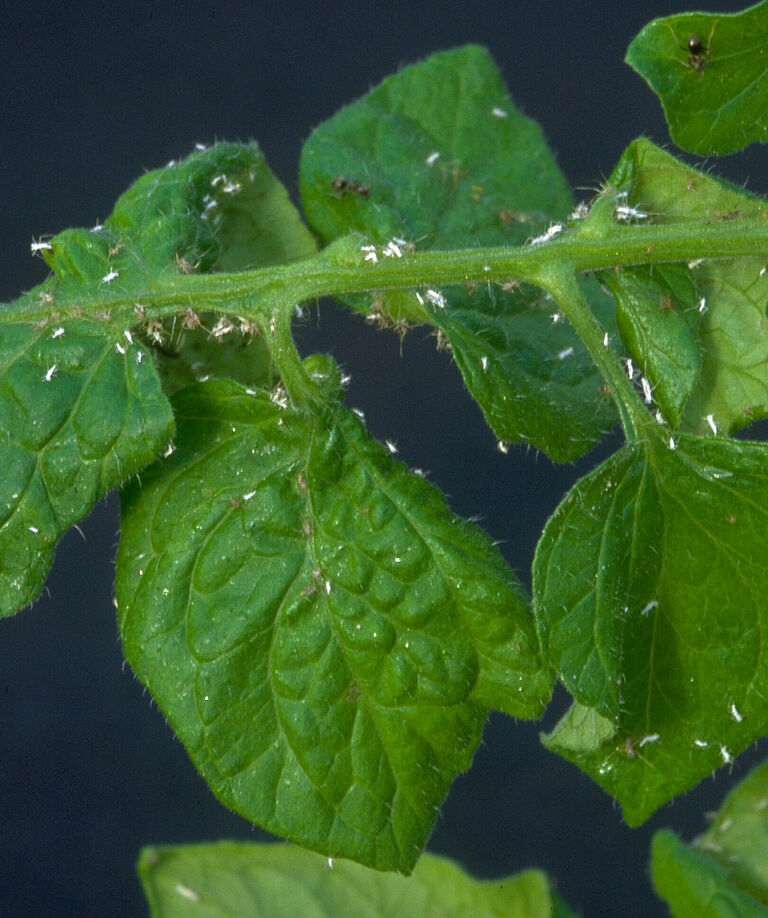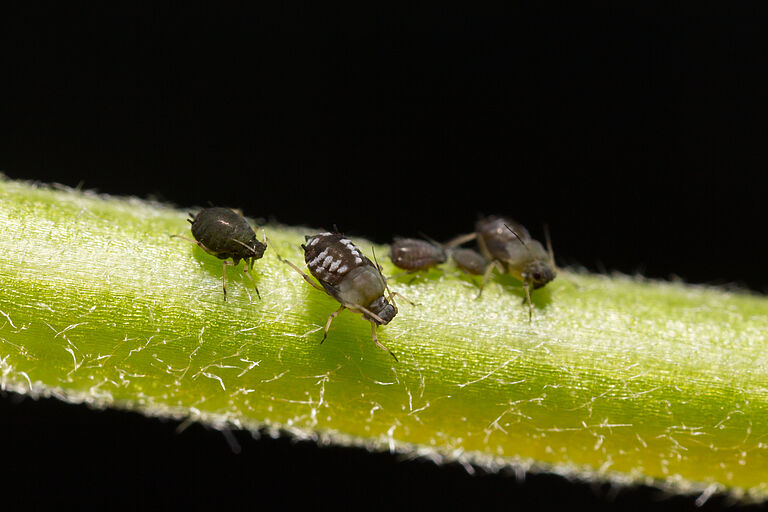

Damage symptoms
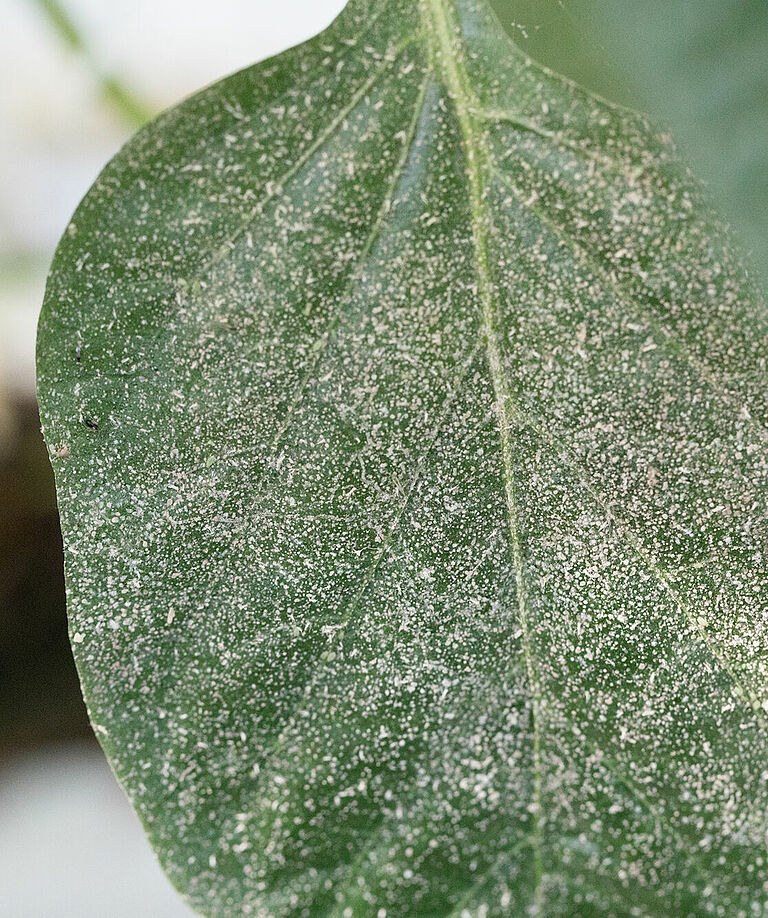
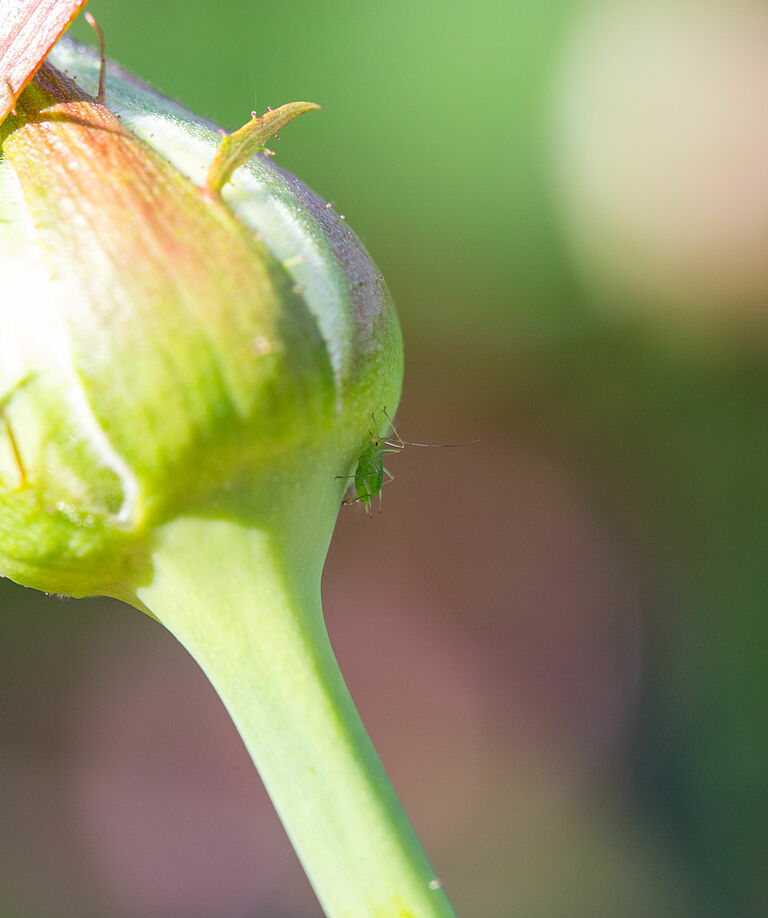
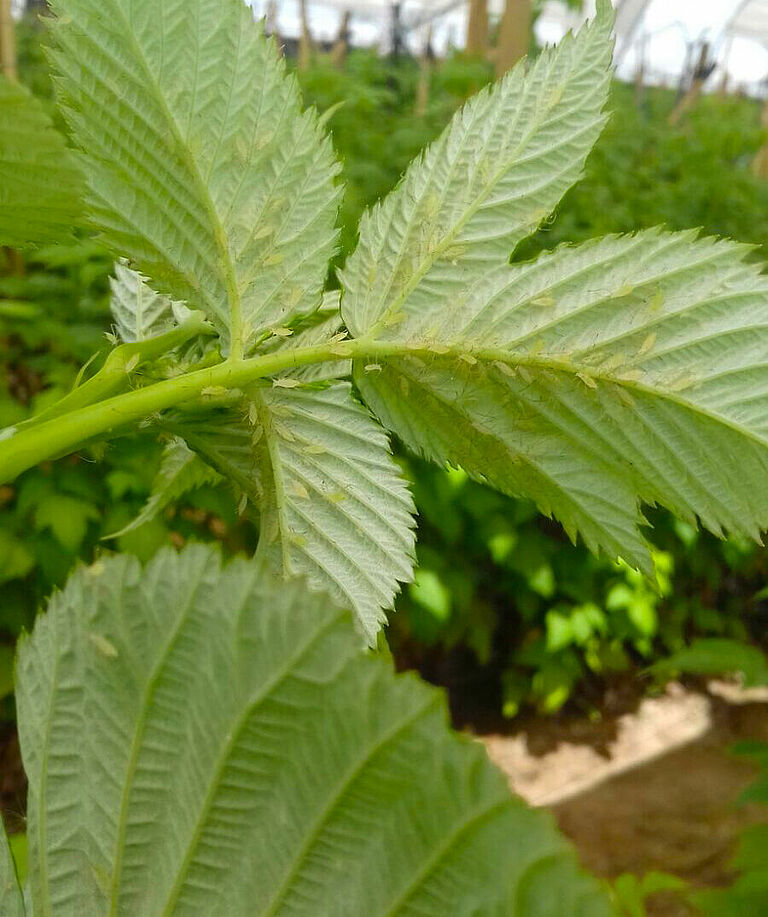
Economic damage by black bean aphid is mainly due to direct feeding damage. Indirect damage is caused through the transmission of plant viruses. Infestations start usually at the younger parts of the plant but can spread all over the plant.
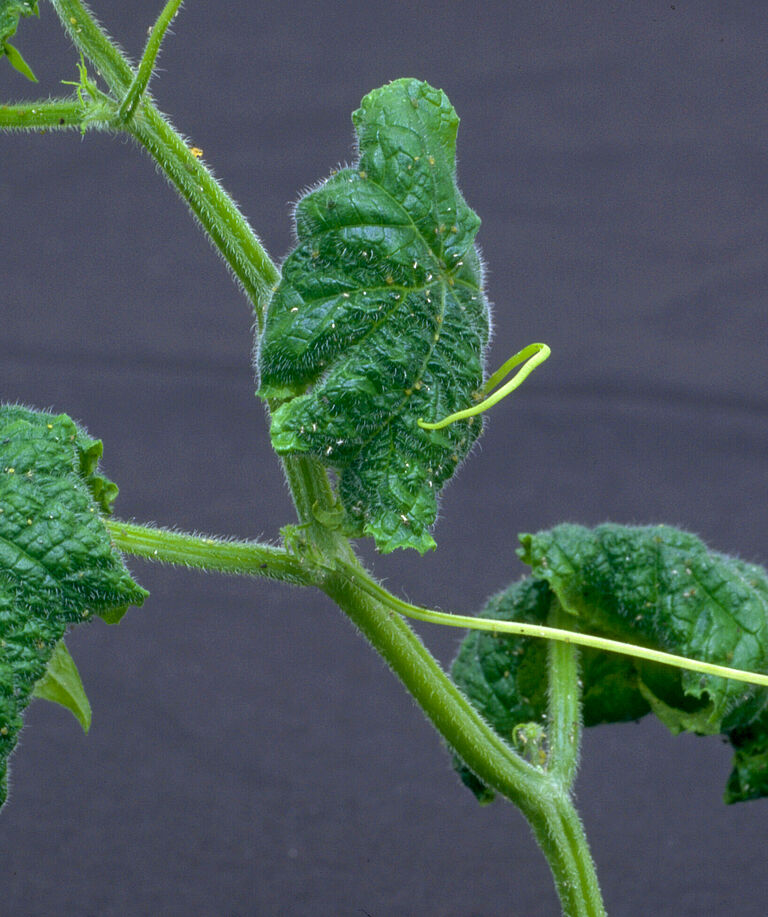
Nymphs and adults extract nutrients from the plant and disturb the balance of growth hormones. As a result, the plant’s growth is retarded giving rise to deformed leaves or, if the infestation occurs early enough in the season, the death of young plants. Retarded growth and defoliation reduce yield.
Plant sap is rich in sugars, but has a low protein content. Aphids therefore need to extract large quantities of sap to get sufficient protein. The excess sugar is secreted in the form of honeydew, making the crop and its fruit sticky. Black moulds grow on this honeydew, contaminating fruit and ornamental crops. At the same time, photosynthesis in the leaves is reduced, affecting production.