
Skip to content

Pear Crop Protection - Biological Solutions, Pests & Diseases

  • Jump to:
  • Downloads
  • Aphids
  • Beetles
  • Caterpillars
  • Powdery mildew
  • Psyllids
  • Mites
  • Storage diseases
  • Pollination

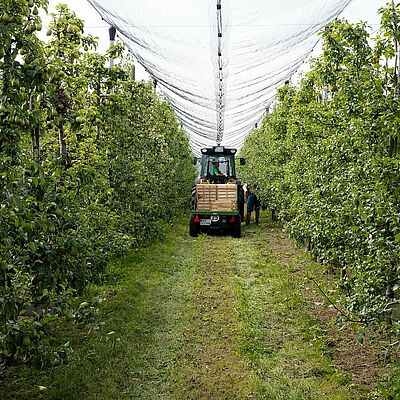
Crop protection in pear orchards

Pear crop protection requires a proactive approach to managing pests and diseases that affect fruit quality, storage potential, and marketable yield. Commercial pear growers face ongoing challenges from pear psyllids, aphids, mites, fire blight, and pear scab, while adapting to stricter residue standards, the withdrawal of conventional crop protection products, and increasing sustainability requirements.

Biological control is the foundation of sustainable pear production and Integrated Pest Management (IPM). Healthy, resilient orchards rely on conserving and promoting natural enemies such as the predatory bug Anthocoris nemoralis, which plays a key role in controlling pear psyllids, and predatory mites including Typhlodromus pyri and Amblyseius andersoni, which help suppress spider mites and rust mites. Combined with preventive biocontrol treatments and the targeted introduction of beneficial insects and mites, these measures create a resilient production system suitable for both conventional IPM and organic pear production.

Koppert supports professional pear growers with biological crop protection solutions that strengthen orchard resilience and safeguard productivity. By combining monitoring, prevention, and biological control, growers can reduce reliance on conventional crop protection products, minimise pesticide residues, avoid pre-harvest interval restrictions, prevent resistance buildup, and build a more sustainable and future-proof pear production system.

Main solutions used in pear cultivation

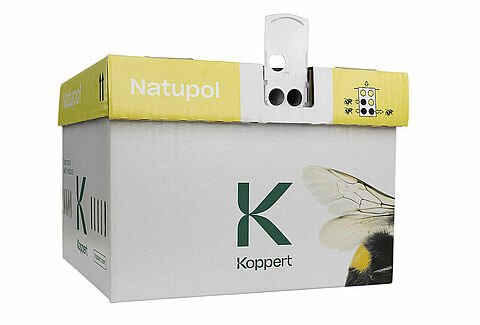
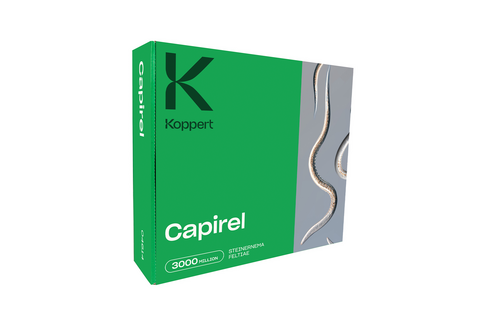
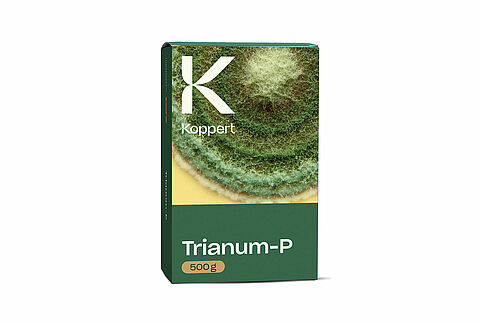
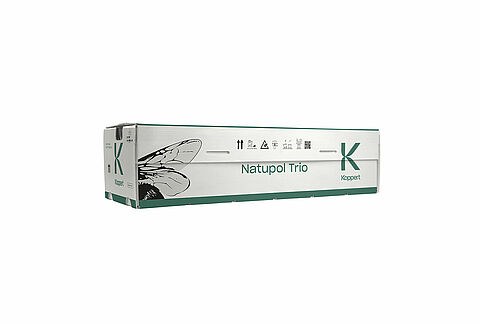
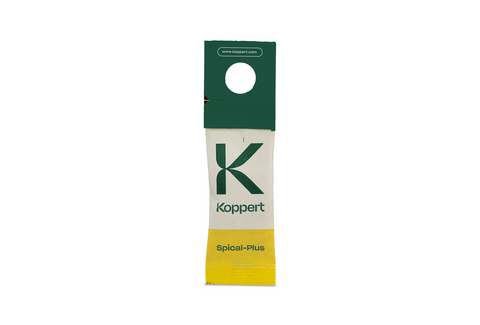
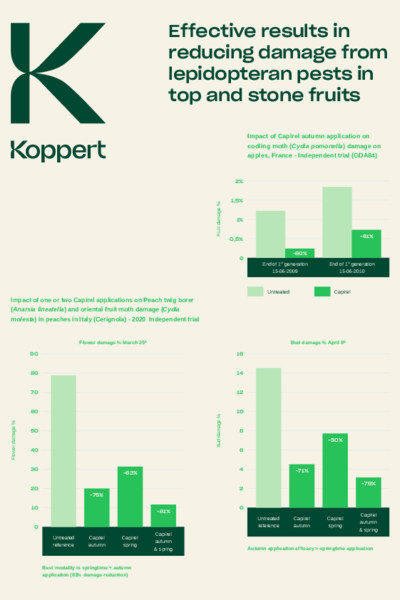
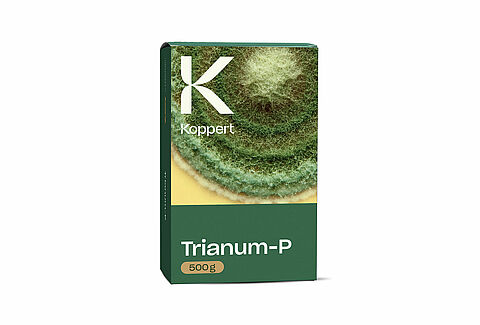
Discover Koppert's main biological solutions for sustainable pear cultivation, designed to support healthy orchards, improve fruit quality, and optimize yield. Our portfolio includes Capirel (beneficial nematodes) for apple sawfly management, Spical-Plus (predatory mites) for spider mite control, Trianum-P (beneficial microorganisms) to strengthen root development and plant resilience, and Natupol Trio (bumblebees) for reliable pollination and improved fruit set. Together, these biological solutions help pear growers effectively manage key pests and diseases while promoting healthy tree growth and more sustainable orchard production.

  Biological solutions for Pear  

Filters:
Clear all filters
Show all Show less
products found:

Questions or need help?

Contact us
  • Protects fruit quality
  • Supports IPM programs
  • No residue concerns
  • Prevents resistance buildup

Learn more about

Aphids in pear orchards
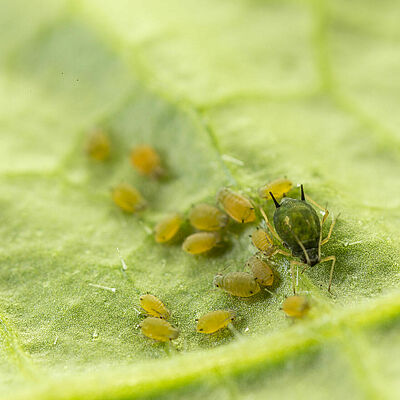
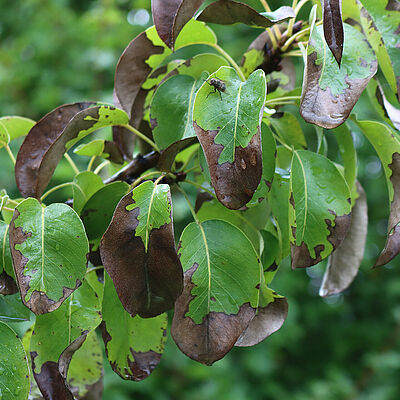
Aphids are common pests in pear orchards and can reduce tree vigor, fruit quality, and yield by feeding on young shoots and leaves. The pear aphid (Dysaphis pyri) and green apple aphid (Aphis pomi) are common aphid species occuring in pear cultivation. These aphids reproduces rapidly under favorable conditions, causing leaf curling, shoot distortion, and honeydew production that promotes the growth of sooty mold. Early detection and timely intervention are essential to prevent populations from reaching damaging levels.

Damage symptoms of aphids in pear

  • Curled and distorted leaves
  • Stunted shoot growth
  • Honeydew on leaves and fruit
  • Sooty mold development
  • Reduced tree vigor
  • Lower fruit quality and marketable yield

Biological control of aphids in pear

Koppert offers a range of biological control solutions for aphids, including parasitoids, predatory midges, lacewings, hoverflies and ladybirds. By introducing natural enemies early and integrating them into an IPM program, growers can effectively suppress aphid populations while reducing the need for conventional insecticides.
Beetles in pear orchards

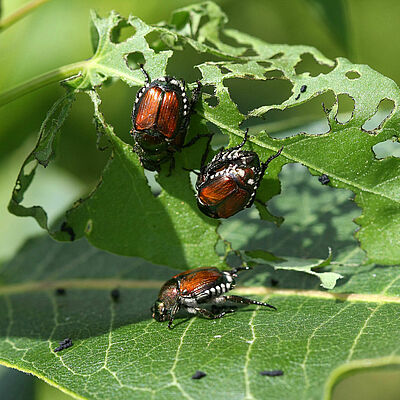
Beetles can cause significant damage in pear orchards by feeding on blossoms, foliage, fruit, and roots. The pear blossom weevil (Anthonomus pIri) damages flower buds and can reduce fruit set early in the season, while the Japanese beetle (Popillia japonica) feeds on leaves as an adult and on roots as larvae in the soil. Monitoring adult activity and managing soil-dwelling larvae are important steps in reducing pest pressure and protecting orchard productivity.

Damage symptoms of beetles in pear

  • Skeletonized leaves
  • Defoliation
  • Root feeding damage
  • Reduced tree vigor
  • Weakened growth
  • Lower fruit quality and yield

Biological control of beetles in pear

Koppert offers beneficial nematode solutions to control soil-dwelling beetle larvae. By targeting the larval stage, these biological solutions help reduce future beetle populations and support sustainable beetle management in pear orchards.

Caterpillars in pear orchards

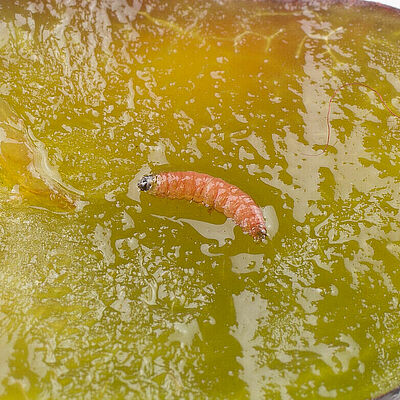
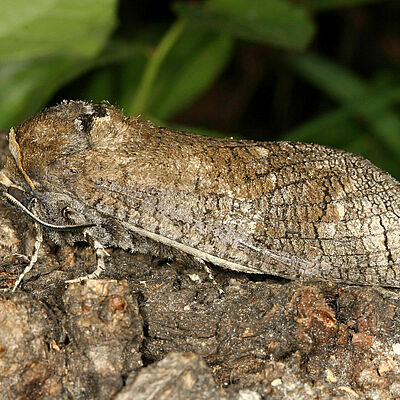
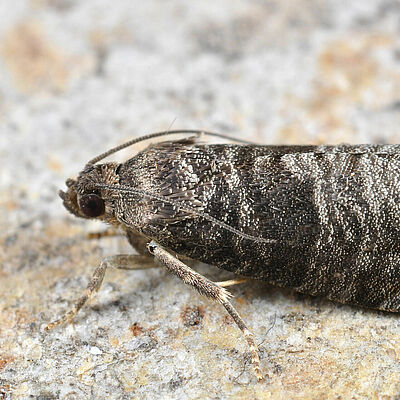
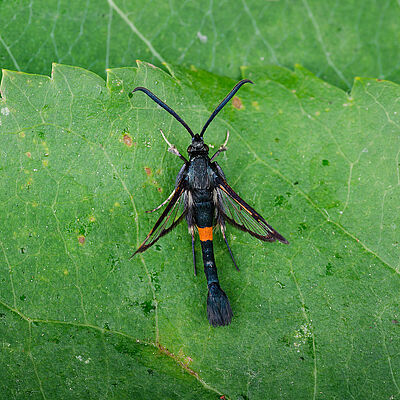
Caterpillars are important pests in pear orchards, feeding on leaves, shoots, bark, and developing fruit. Key species include summer fruit tortrix (Adoxophyes orana), goat moth (Cossus cossus), plum fruit moth (Cydia funebrana), codling moth (Cydia pomonella), oriental fruit moth (Grapholita molesta), and apple clearwing moth (Synanthedon myopaeformis). Their feeding can reduce fruit quality, weaken trees, and increase the risk of secondary infections, ultimately lowering marketable yield.

Damage symptoms of caterpillars in pear

  • Boreholes and tunnels in fruit
  • Premature fruit drop
  • Feeding damage on leaves and shoots
  • Frass around fruit entry holes
  • Galleries in trunks and branches caused by wood-boring species
  • Reduced fruit quality and marketable yield

Biological control of caterpillars in pear

Koppert offers integrated biological solutions for caterpillar control, including monitoring traps, beneficial nematodes, and microbial products. Combined with regular monitoring, these solutions help suppress caterpillar populations, protect fruit quality, and support sustainable pear production.

Powdery mildew in pear

Powdery mildew is a fungal disease that affects leaves, shoots, blossoms, and young fruit in pear orchards. Caused by fungi belonging to the genera Erysiphe, Podosphaera, Oidium, and Leveillula, the disease thrives under warm, dry conditions with moderate humidity. If left unmanaged, powdery mildew can reduce tree vigor, fruit quality, and overall orchard productivity.

Damage symptoms of powdery mildew in pear

  • White powdery fungal growth on leaves and shoots
  • Curled and distorted leaves
  • Reduced shoot growth
  • Blossom infections and reduced fruit set
  • Russeting or blemishes on fruit
  • Reduced fruit quality and yield potential

Biological control of pear powdery mildew

Koppert supports the biological management of powdery mildew with beneficial microorganisms that complement integrated disease management programs. Combined with regular monitoring, good orchard hygiene, and preventive applications, biological solutions help reduce disease pressure while supporting sustainable pear production.

Psyllids in pear orchards

Pear psyllids, particularly the pear psyllid (Cacopsylla pyri), are among the most economically important pests in pear orchards. Both nymphs and adults feed on plant sap, weakening trees and reducing fruit quality. Their honeydew promotes the development of sooty mold, while repeated infestations can reduce tree vigor and overall orchard productivity.

Damage symptoms of pear psyllids

  • Curled and yellowing leaves
  • Sticky honeydew on leaves and fruit
  • Sooty mold development
  • Reduced shoot growth
  • Weakened tree vigor
  • Reduced fruit quality and marketable yield

Biological control of psyllids in pear

Koppert supports pear psyllid management with Anthobug (Anthocoris nemoralis), a predatory bug that feeds on psyllid eggs and nymphs, and Lovell, a paraffinic oil that helps control eggs and young nymphs. Together, they support effective pear psyllid management as part of an integrated pest management (IPM) program.

Mites in pear orchards

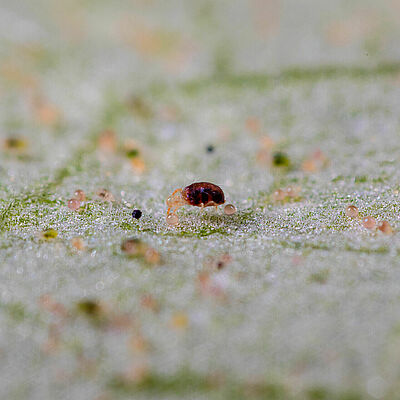
Mites are common pests in pear orchards and can rapidly build up under warm, dry conditions. The European red mite (Panonychus ulmi) and the pear rust mite (Epitrimerus pyri) feed on leaf tissue, reducing photosynthesis and weakening tree growth. Heavy infestations can negatively affect fruit quality, yield, and overall orchard performance.

Damage symptoms of mites in pear

  • Fine speckling or stippling on leaves
  • Bronzing or discoloration of foliage
  • Fine webbing during heavy infestations
  • Premature leaf drop
  • Reduced tree vigor
  • Lower fruit quality and yield potential

Biological control of mites in pear

Koppert supports the biological control of mites with predatory mites. Combined with regular monitoring and integrated pest management (IPM), these natural enemies help maintain mite populations below damaging levels and protect orchard productivity.

Storage diseases in pear

Storage diseases are an important concern for commercial pear growers, as infections acquired during the growing season often become visible only after harvest or during storage. These diseases can reduce fruit quality, shorten storage life, and lead to significant economic losses.

A preventive approach during cultivation is essential for minimizing storage diseases. Regular monitoring, good orchard hygiene, and effective disease management throughout the season help produce healthy fruit with improved storage potential.

Koppert is continuously evaluating how biological crop protection solutions can help reduce the risk of storage diseases and support long-term fruit quality in pear production.

Pollination in pear

Successful pear production depends on effective pollination during flowering. Most commercial pear varieties require cross-pollination to achieve optimal fruit set, fruit size, and yield. Cool temperatures, wind, and variable spring weather can reduce pollinator activity, making reliable pollination essential for consistent orchard performance.

Bumblebees for pear pollination

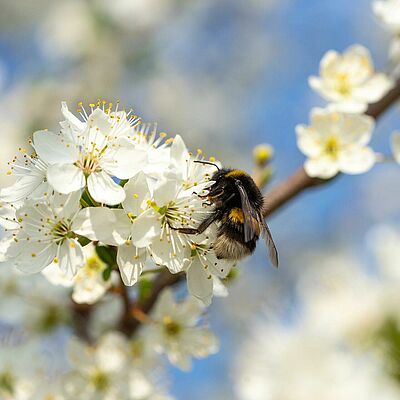
Koppert supplies high-quality bumblebee colonies to support reliable pollination in pear orchards. Bumblebees remain active under cooler temperatures and variable weather conditions, visiting flowers efficiently throughout the flowering period. Effective pollination improves fruit set, promotes more uniform fruit development, and helps maximize marketable yield.

About

The so-called European pear or common pear (Pyrus communis) is a pear species that originates in central and eastern Europe and southwest Asia. The pear tree belongs to the family of Rosaceae and sub family of Pomoideae, together with the apple and quince. The genus Pyrus consists of around 22 species, which are grown in Asia, Europe and northern Africa.
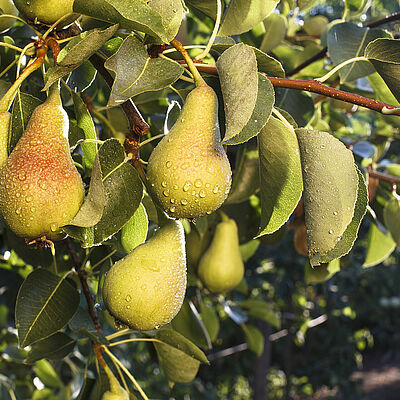
The European or common pear is a perennial, deciduous tree and cultivated for its fruit. The tree grows small, white flowers (about 2.5 cm or 1 inch in diameter) and produces a pyriform, fleshy fruit. Pear trees can grow as tall as 9 metres and are able to produce fruit for around 20 years.

Need help?