
Skip to content

Apple crop protection: Biological solutions, pests & diseases

  • Jump to:
  • Downloads
  • Aphids
  • Caterpillars
  • Mites
  • Mealybugs & scales
  • Bugs
  • Sawflies
  • Beetles
  • Powdery mildew
  • Scab
  • Storage diseases
  • Pollination

Crop protection in apple orchards

Apple crop protection requires a proactive approach to managing the pests and diseases that can impact fruit quality, storability, and marketable yield. Commercial apple growers face ongoing pressure from threats such as codling moth, aphids, mites, apple scab, and powdery mildew, while adapting to changing pest pressure, stricter residue standards, the withdrawal of conventional crop protection products, and increasing sustainability requirements.

Koppert supports professional apple producers with biological crop protection solutions and integrated pest management (IPM) strategies designed to control pests, strengthen orchard resilience, and safeguard productivity. By combining monitoring, prevention, and biological control, growers can reduce the need for conventional crop protection inputs, leave no residues on harvested fruit, avoid pre-harvest interval restrictions, prevent resistance buildup, and build a more sustainable and future-proof apple production system.

  Biological solutions for Apple  

Filters:
Clear all filters
Show all Show less
products found:

Questions or need help?

Contact us
  • Protects fruit quality
  • Supports IPM programs
  • No residue concerns
  • Prevents resistance buildup

Learn more about

Aphids in apple orchards
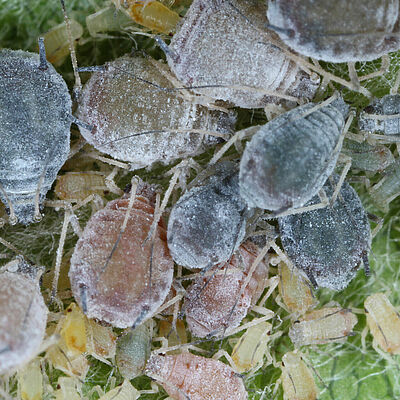
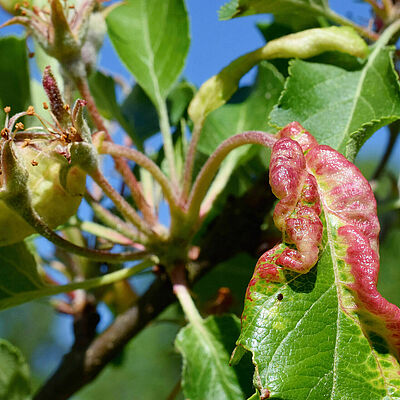
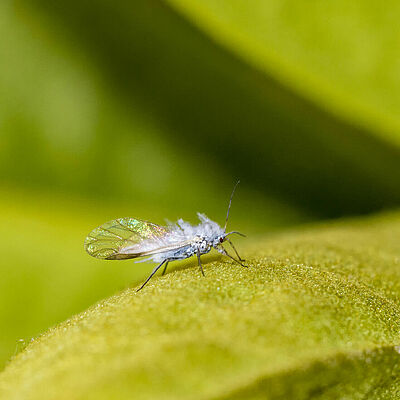
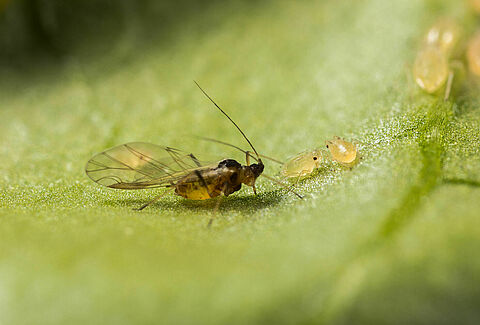
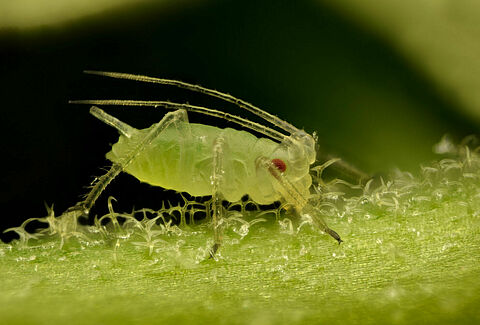
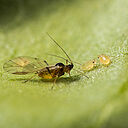
Aphids are among the most common pests in apple orchards and can cause significant damage to young shoots, leaves, blossoms, and developing fruit. Species such as rosy apple aphid (Dysaphis plantaginea), woolly apple aphid (Eriosoma lanigerum), black bean aphid (Aphis fabae), green peach aphid (Myzus persicae), cotton aphid (Aphis gossypii) and potato aphid (Macrosiphum euphorbiae) feed on plant sap, reducing tree vigor and affecting fruit quality.

Damage symptoms of aphids in apple

  • Curled and distorted leaves
  • Stunted shoot growth
  • Reduced tree vigor
  • Honeydew deposits on leaves and fruit
  • Development of sooty mold
  • Deformed fruit, particularly from rosy apple aphid infestations
  • Reduced fruit quality and marketability

Biological control of apple aphids

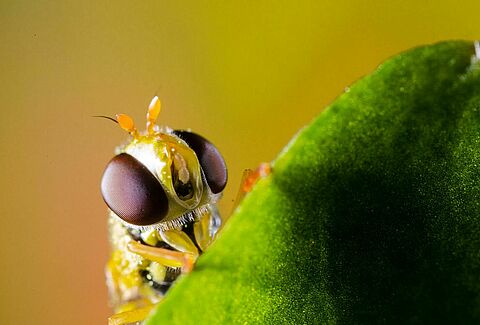
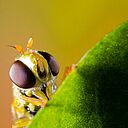
Biological control plays an important role in integrated pest management (IPM) programs for apple orchards. Natural enemies such as parasitic wasps, lacewings, hoverflies, predatory bugs, and ladybirds help suppress aphid populations throughout the growing season. By combining biological control with monitoring and preventive strategies, growers can reduce pest pressure while supporting a balanced orchard ecosystem.
Caterpillars in apple orchards

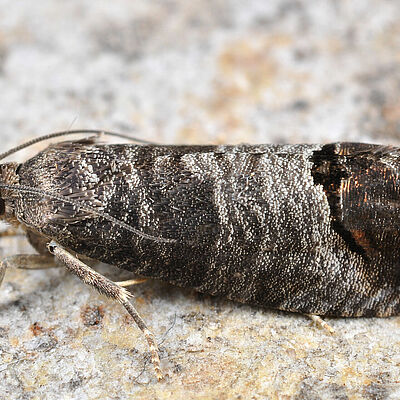
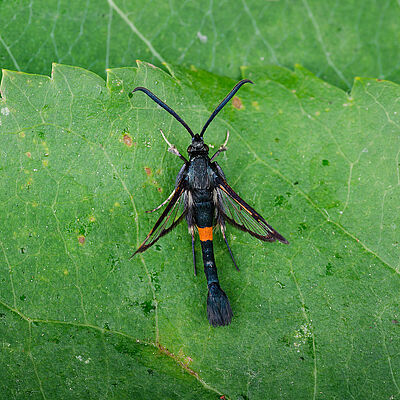
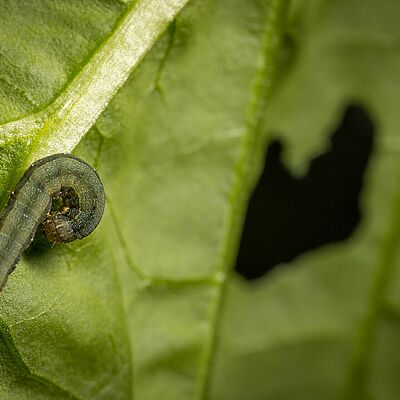
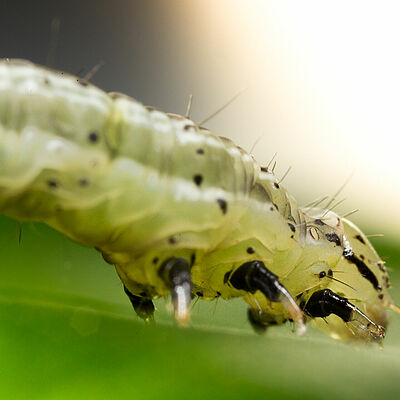
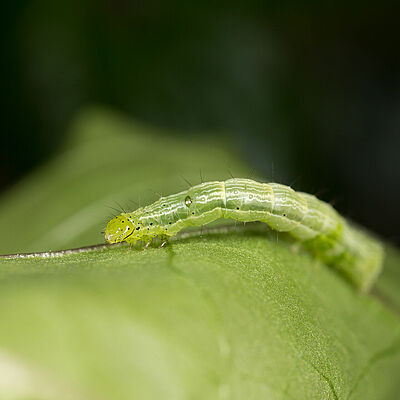
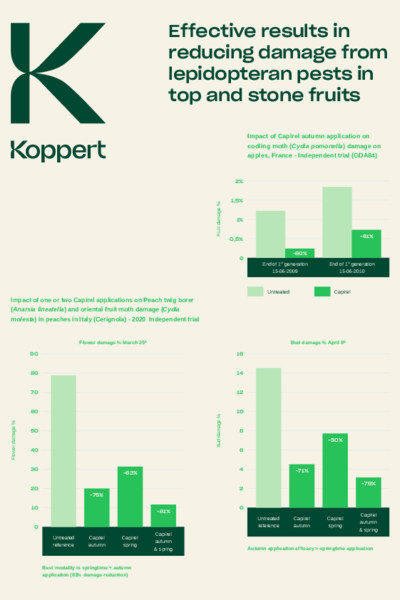
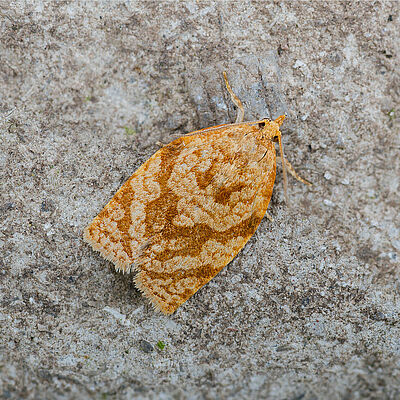
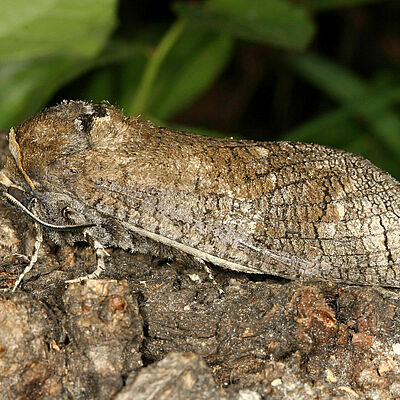
Several caterpillar species can threaten apple production by feeding on leaves, shoots, bark, and fruit. Important pests include codling moth (Cydia pomonella), red plum maggot (Cydia funebrana), oriental fruit moth (Grapholita molesta), summer fruit tortrix (Adoxophyes orana), red-belted clearwing (Synanthedon myopaeformis) and goat moth (Cossus cossus).

Damage symptoms of caterpillars in apple

  • Boreholes in fruit
  • Internal fruit feeding and tunneling
  • Premature fruit drop
  • Feeding damage on leaves and shoots
  • Frass (larval excrement) around entry holes
  • Reduced fruit quality and marketable yield
  • Damaged branches and weakened trees from wood-boring species

Biological control of apple caterpillars

Successful management starts with monitoring pest activity and targeting vulnerable life stages. Biological control solutions, including beneficial microorganisms, parasitoids, and mating disruption strategies, can help reduce caterpillar populations while minimizing reliance on conventional insecticides. These approaches support sustainable apple production and help prevent resistance development.

Mites in apple orchards

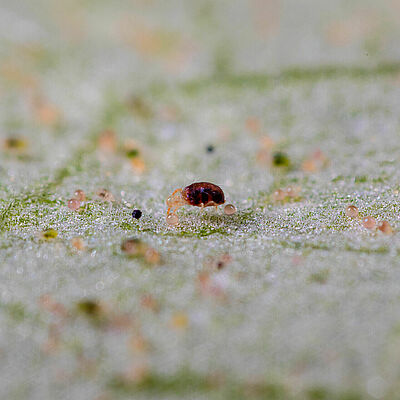
Mites are common pests in apple orchards and can reduce tree vigor, fruit quality, and yield. Important species include the European red mite (Panonychus ulmi) and apple rust mite (Aculus schlechtendali). These mites feed on leaves and developing fruit, reducing photosynthesis and affecting fruit finish. Under warm, dry conditions, populations can increase rapidly, making regular monitoring and timely intervention essential.

Damage symptoms of spider mites

  • Fine speckling or stippling on leaves
  • Bronzing of foliage
  • Premature leaf drop
  • Reduced photosynthesis
  • Weakened tree growth
  • Lower fruit size and quality
  • Reduced yield potential

Biological control of spider mites in apple

Predatory mites form the foundation of biological spider mite control in apple orchards. Early introduction and conservation of beneficial mites help keep pest populations below damaging levels and support long-term orchard stability.

Mealybugs and scales in apple orchards

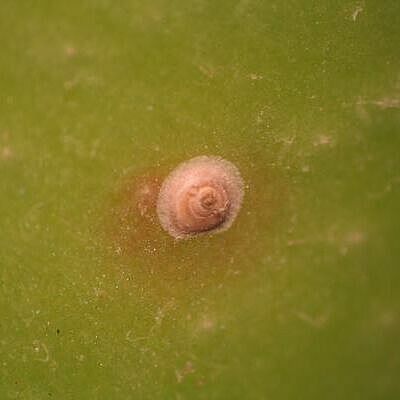
Mealybugs and scale insects can weaken apple trees by feeding on plant sap and reducing tree vigor. Species such as San José scale (Comstockaspis perniciosa) can infest branches, shoots, and fruit, causing direct damage and reducing marketable yield. Infestations can be difficult to detect during the early stages and may spread rapidly if left unmanaged.

Damage symptoms of mealybugs and scale insects in apple

  • Small scales or waxy coverings on branches and shoots
  • Yellowing leaves
  • Reduced tree vigor
  • Honeydew production
  • Sooty mold development
  • Fruit blemishes
  • Reduced fruit quality and marketability

Biological control of mealybugs and scale insects

Effective management of mealybugs and scale insects starts with early detection and timely intervention. Parasitic wasps suchs as Aphytis help reduce scale insect populations by parasitizing vulnerable life stages. As part of an integrated pest management (IPM) program, biological solutions support long-term pest suppression, help prevent resistance development, and contribute to healthier, more resilient apple orchards.

Bugs in apple orchards

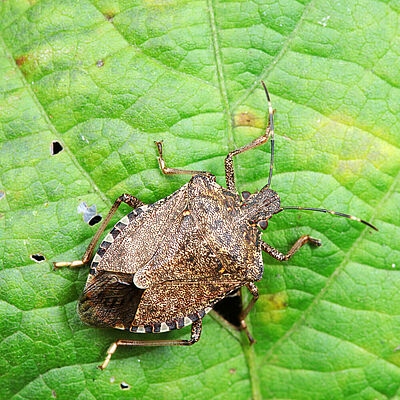
Bugs can cause significant economic damage in apple orchards through direct feeding on developing fruit. The brown marmorated stink bug (Halyomorpha halys) is an important pest that feeds on fruit and plant tissue, causing cosmetic damage that reduces fruit quality and market value.

Damage symptoms of bugs in apple

  • Sunken feeding spots on fruit
  • Corky tissue beneath the fruit skin
  • Misshapen fruit
  • Premature fruit drop
  • Reduced fruit quality
  • Lower marketable yield

Monitoring and trapping bugs in apple orchards

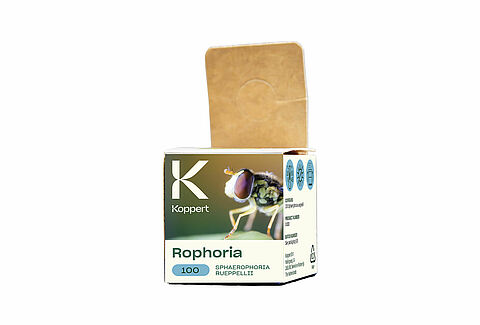
Halyosan is a trap used in combination with a species-specific aggregation pheromone to attract and capture both male and female brown marmorated stink bugs (Halyomorpha halys). It supports early detection, monitoring, and mass trapping, helping growers reduce pest pressure as part of an integrated pest management (IPM) program.

Sawflies in apple orchards

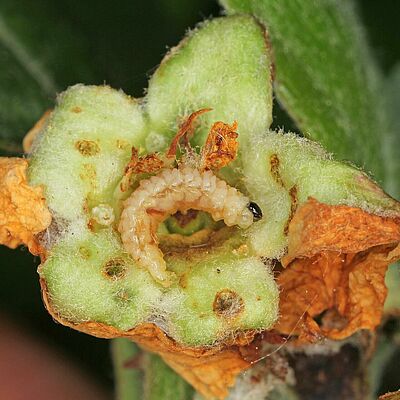
Apple sawfly (Hoplocampa testudinea) is an early-season pest that attacks young fruit shortly after flowering. Larvae feed inside developing fruitlets, causing damage that can lead to premature fruit drop and yield losses.

Damage symptoms of apple sawfly

  • Crescent-shaped scars on young fruit
  • Feeding tunnels in fruitlets
  • Premature fruit drop
  • Damaged developing fruit
  • Reduced yield potential

Biological control of apple sawfly

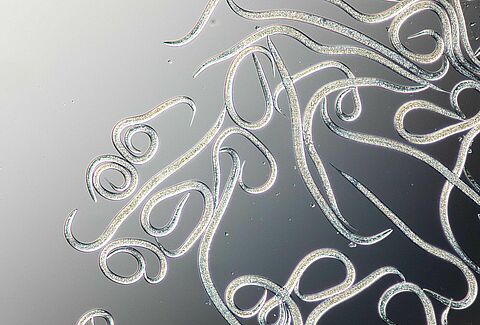
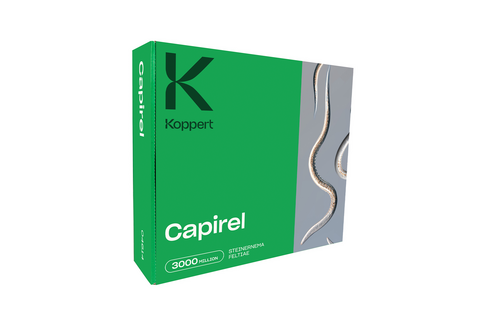
Monitoring adult activity and targeting vulnerable life stages are important components of integrated management. Biological crop protection solutions can support population suppression while reducing reliance on chemical interventions. Capirel contains beneficial nematodes that target apple sawfly (Hoplocampa testudinea) in the soil stage of its life cycle. By reducing overwintering populations, it helps lower pest pressure and protect developing fruit in the following season.

Beetles in apple orchards

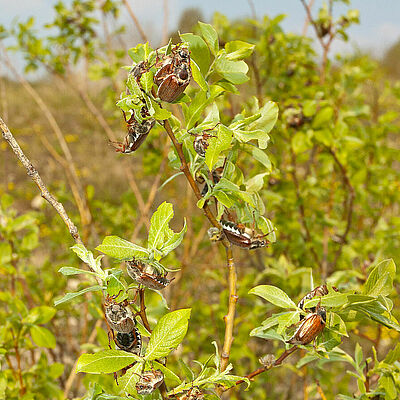
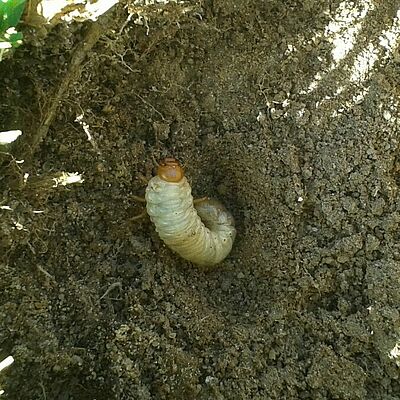
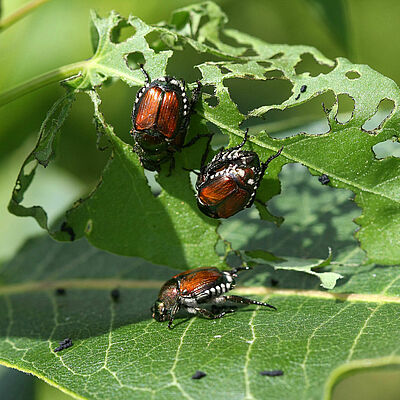
Beetles such as the European cockchafer (Melolontha melolontha) and Japanese beetle (Popillia japonica) can damage apple orchards both above and below ground. Adult beetles feed on foliage, while larvae may attack roots, reducing tree health and productivity.

Damage symptoms of beetles in apple

  • Skeletonized leaves
  • Defoliation
  • Root feeding damage
  • Reduced tree growth
  • Weakened trees
  • Lower fruit production
  • Reduced orchard productivity

Biological control of beetles in apple

Capsanem, Capyphor and Larvanem contain beneficial nematodes that help control beetle larvae in the soil. By targeting immature stages, they reduce pest pressure and help protect apple trees from root damage.

Apple powdery mildew

Powdery mildew is a common fungal disease in apple orchards that affects leaves, shoots, blossoms, and young fruit. Under favorable conditions, infections can spread rapidly and negatively impact tree growth, fruit quality, and yield.

Damage symptoms of powdery mildew in apple

  • White powdery fungal growth on leaves and shoots
  • Distorted or curled leaves
  • Reduced photosynthesis
  • Poor shoot development
  • Blossom damage and reduced fruit set
  • Russeting on fruit
  • Reduced tree vigor and productivity

Biological control of apple powdery mildew

Biological crop protection strategies can support disease management by strengthening plant resilience and complementing integrated disease control programs. Combined with orchard hygiene and preventive measures, biological solutions help growers maintain healthy trees throughout the season.

Apple scab

Apple scab is one of the most economically important diseases in apple orchards worldwide. Caused by the fungus Venturia inaequalis, the disease infects leaves, blossoms, shoots, and fruit, particularly during cool, wet spring conditions. Severe infections can reduce fruit quality, marketable yield, and tree vigor, making early prevention and regular monitoring essential.

Damage symptoms of apple scab

  • Olive-green to dark brown spots on leaves
  • Velvety lesions on young fruit
  • Fruit cracking and deformation
  • Premature leaf drop
  • Reduced tree vigor
  • Lower fruit quality and marketable yield

Biological control of apple scab

Koppert supports integrated apple scab management with beneficial microorganisms that complement preventive disease management programs. Combined with orchard hygiene, monitoring, and timely applications, biological solutions help reduce disease pressure and support sustainable apple production.

Storage diseases in apple

Storage diseases can significantly reduce fruit quality and marketable yield after harvest, even when symptoms are not visible at picking. Many post-harvest diseases originate from infections that occur during the growing season, making effective orchard disease management essential for successful long-term storage.

Preventing infections before harvest is one of the most effective ways to reduce storage losses. By combining good orchard hygiene, regular monitoring, and preventive crop protection measures, growers can improve fruit quality and storage potential while minimizing post-harvest disease pressure.

Koppert is continuously researching how biological crop protection solutions can contribute to the prevention of storage diseases and support healthier apples throughout storage.

Pollination in apple

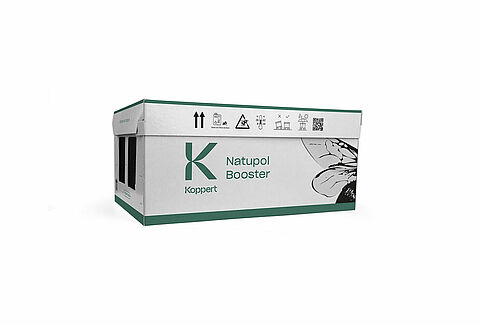
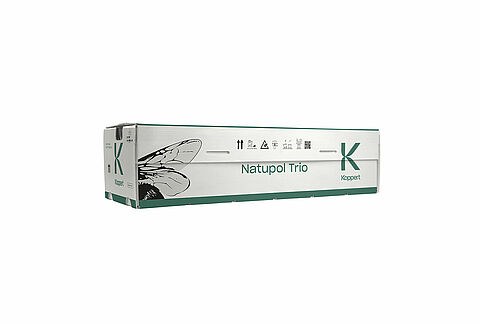
Successful apple production starts with effective pollination. Most commercial apple varieties depend on cross-pollination to achieve good fruit set, uniform fruit development, and high yields. Poor pollination during flowering can result in fewer fruits, misshapen apples, and reduced orchard profitability.

Bumblebees for apple pollination

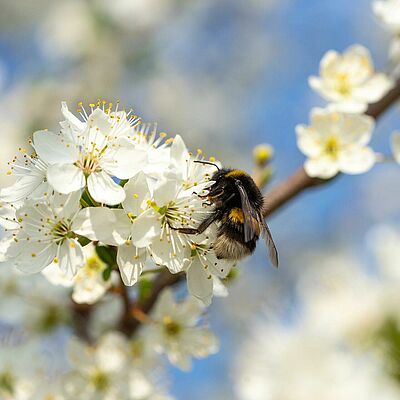
Bumblebees are highly effective pollinators in apple orchards because they remain active under cooler temperatures, lower light conditions, and variable spring weather. Their efficient flower visitation helps improve pollination, leading to better fruit set, more uniform fruit development, and consistent yields.

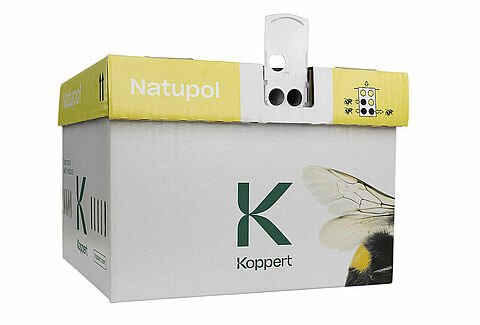
Koppert supplies high-quality bumblebee colonies for reliable pollination in commercial apple orchards. As part of an integrated orchard management strategy, bumblebees help maximize pollination efficiency while supporting sustainable fruit production.

About

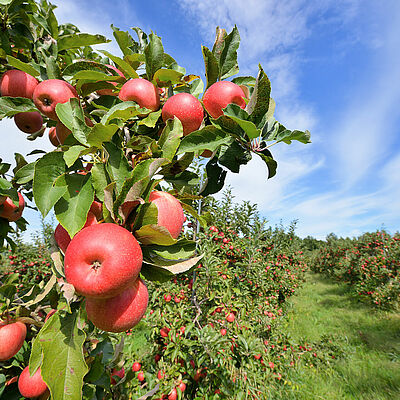
The apple tree (often named Malus domestica by mistake) is best known for the apple, the tree’s usually sweet and pomaceous fruit. Apples originate from Asia and Europe and were grown there for thousands of years, before European colonists introduced the tree to North America.

The deciduous apple tree belongs to the rose family and is now cultivated for its fruit all over the world. It is the most common cultivated species of the genus Malus.

Currently, more than 7,500 known varieties of apples are being cultivated, each with their own characteristics. Ripe apples usually have a red, yellow, green, pink, or russetted coloured skin. Additionally there exists also a wide range of bi- or tri-colored cultivars. The skin of the apple is protected by a layer of epicuticular wax. Apples usually have a yellowish-white coloured exocarp. Sometimes their flesh is also pink or yellow.

Need help?