Skip to content
  • Jump to:
  • Damage
  • Life cycle
  • Management

What is green apple aphid?

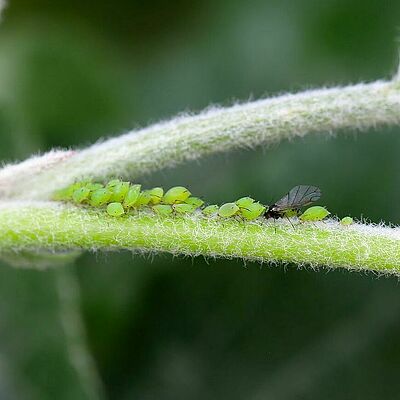
The green apple aphid (Aphis pomi) is one of the most common aphid species in apple orchards. Both nymphs and adults feed on young leaves and shoots, reducing tree vigor and affecting shoot development. While moderate infestations (<5% leaf curling, <10% shoots infested) are often tolerated by healthy, mature trees, high populations can slow vegetative growth, contaminate fruit with honeydew, and reduce overall orchard performance, particularly in young plantings and nurseries.

  Biological solutions for Green apple aphid  

Filters:
Clear all filters
Show all Show less
products found:

Questions or need help?

Contact us
  • Easy to use
  • Minimal resistance
  • No chemical residues
  • No pre-harvest intervals

Learn more about

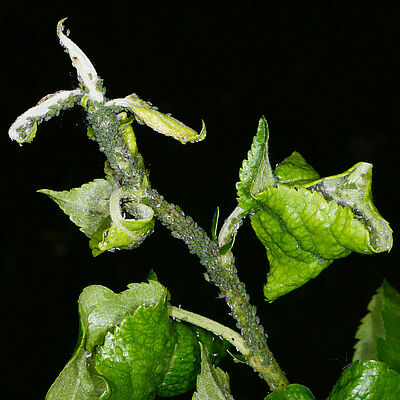
Damage symptoms of green apple aphid

Green apple aphid infestations can cause a range of symptoms, including:

  • Curled and distorted young leaves
  • Stunted or twisted shoot growth
  • Sticky honeydew deposits on leaves and fruit
  • Sooty mold development on honeydew covered surfaces
  • Reduced tree vigor and restricted terminal growth
  • Lower fruit quality and marketability

Life cycle of green apple aphid

Overwintering

Green apple aphid overwinters as small, shiny black eggs on apple trees, typically laid around buds, branch forks, and young twigs.

Spring development

Eggs hatch shortly before bud break, when temperatures exceed 10°C. Wingless females colonize young shoots and reproduce rapidly without mating, allowing populations to build quickly during spring.

Population growth

Several generations develop throughout the growing season, typically four to six generations in temperate climates. The first generation usually appears three to four weeks after egg hatch. Winged adults periodically disperse to nearby trees, establishing new colonies and increasing aphid populations throughout the orchard.

Autumn

In autumn, sexual forms are produced, and females lay overwintering eggs on apple trees, completing the annual life cycle.

Management of green apple aphid

Effective control of green apple aphids requires an integrated approach combining cultural practices, monitoring, and timely interventions during the vulnerable spring periods.

Cultural practices

  • Pruning to improve air circulation and reduce egg survival
  • Orchard sanitation (removing infested shoots in early season)
  • Removal of alternative hosts nearby the trees
  • Ant management using trunk barriers (Sticky bands) and orchard floor management

Ants form mutualistic relationships with aphids, actively protecting them from natural enemies in exchange for honeydews.

Monitoring green apple aphid

Inspect orchards regularly from bud break onwards for:

  • Aphid colonies on young shoots
  • Curled or distorted leaves
  • Honeydew deposits and early signs of sooty mold
  • Ants activity traveling up and down the tree trunks
  • Presence of natural enemies such as ladybirds, lacewings, hoverflies, and parasitoids

Early monitoring allows biological control measures to be introduced before populations reach damaging levels.

Biological control of green apple aphid

Koppert supports the biological control of green apple aphid with a range of natural enemies, including parasitic wasps, lacewings, hoverflies, ladybirds, and predatory midges. When introduced early and combined with regular monitoring, these beneficial insects help suppress aphid populations naturally and support sustainable apple production.

Need help?