
Skip to content
  • Jump to:
  • Mealybugs and scales
  • Damage
  • Species
  • Life cycle
  • News

Biological control of mealybugs and scales

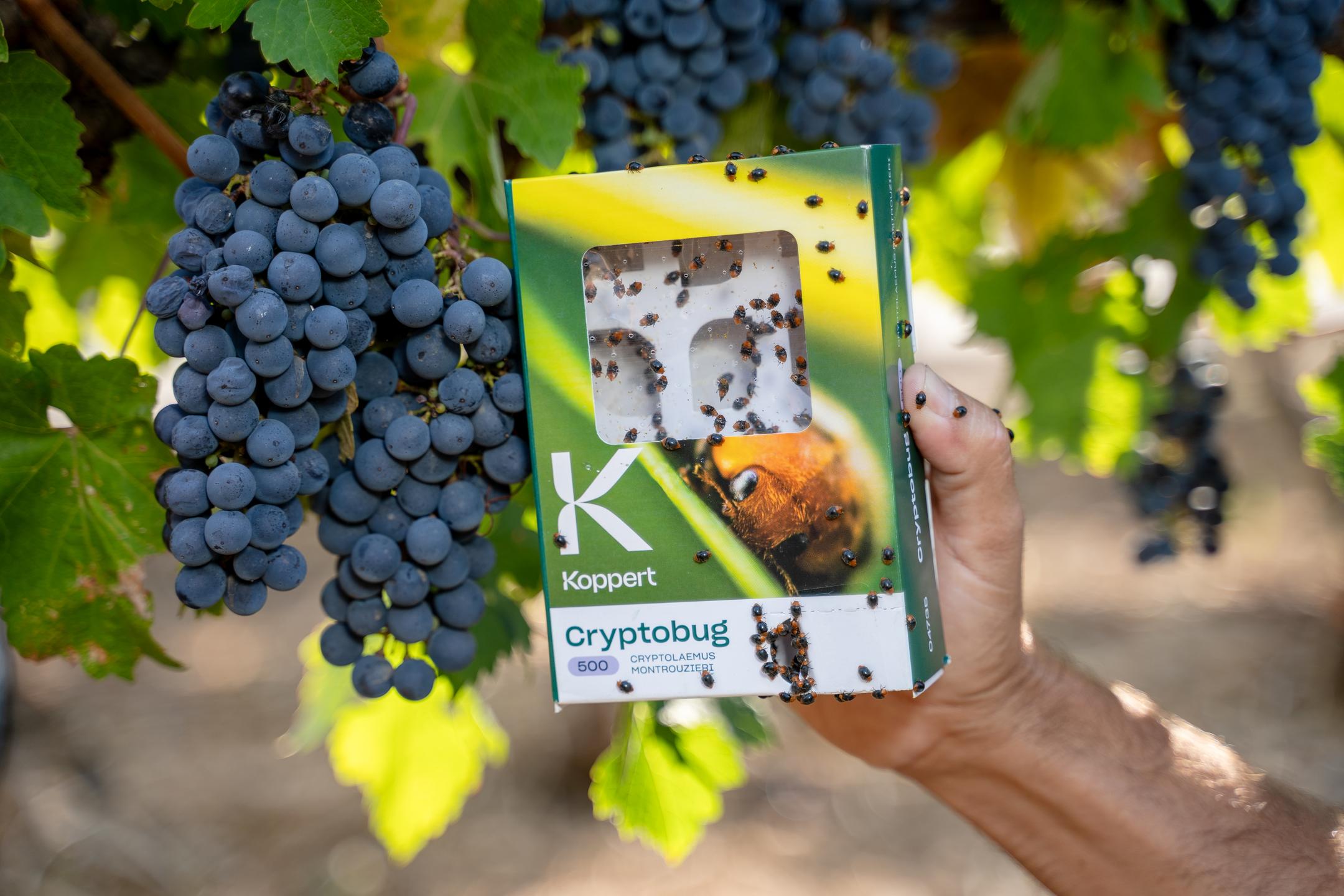
Mealybugs and scale insects are persistent pests that feed on plant sap, weakening crops and producing honeydew that leads to sooty mould. Infestations reduce plant vigor, fruit quality and overall yield. Effective control of mealybugs and scales is essential to maintain healthy and marketable crops. Biological control of mealybugs and scales relies on natural enemies and monitoring tools that target different pest stages:

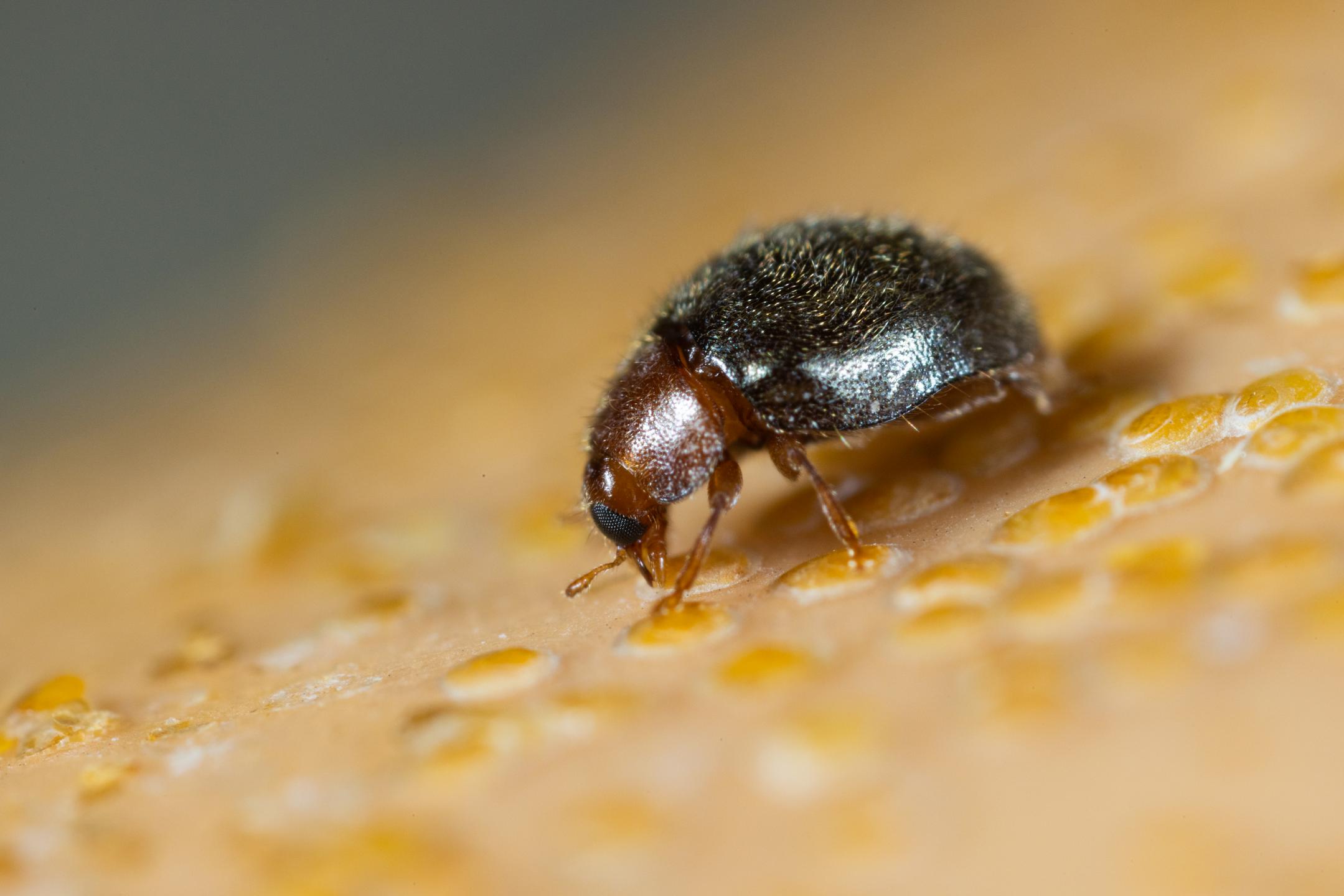
Parasitic wasps, predatory beetles and lacewings help reduce mealybug and scale populations by attacking both larvae and adults. Pheromone traps support early detection and population monitoring. With Koppert’s biological solutions for mealybugs and scales, professional growers can achieve effective pest management, protect crop quality, and promote sustainable production.

Biological solutions for Mealybugs and scales

Filters:
Clear all filters
Show all Show less
products found:

Questions or need help?

Find a reseller
  • Easy to use
  • Minimal resistance
  • No chemical residues
  • No pre-harvest intervals

Learn more about

What are mealybugs & scales?
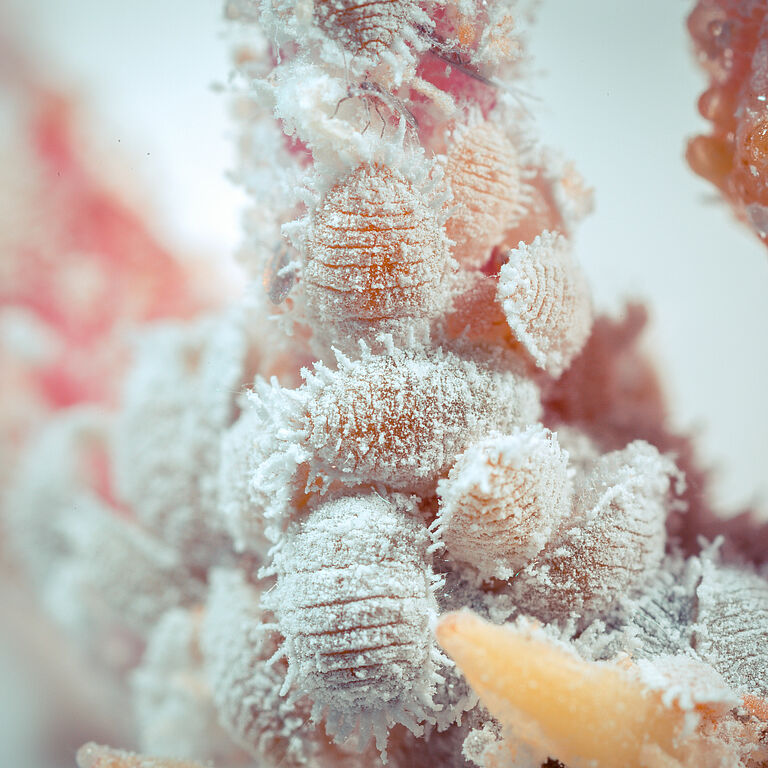
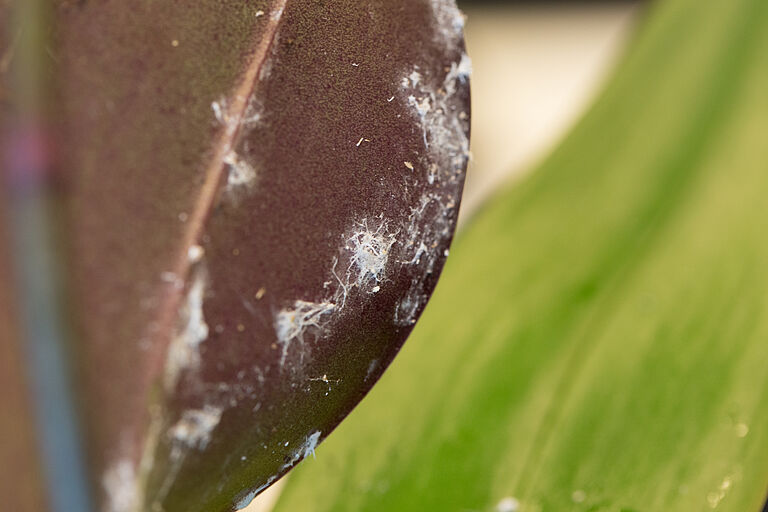
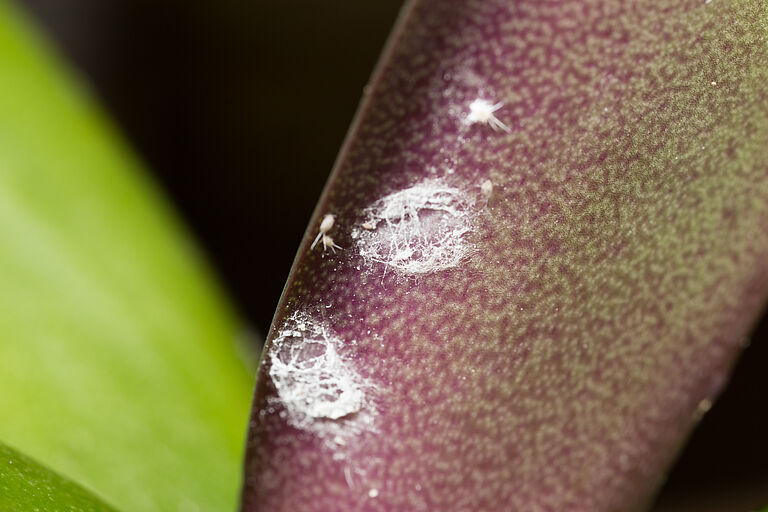
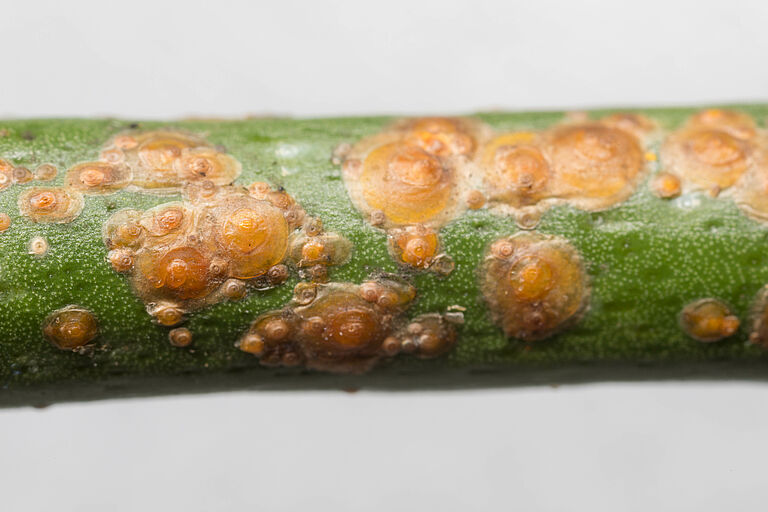
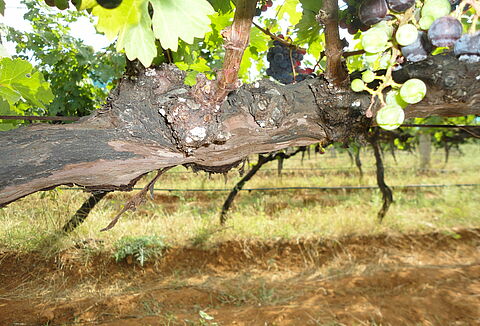
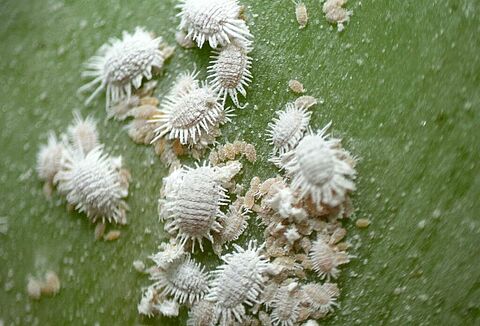
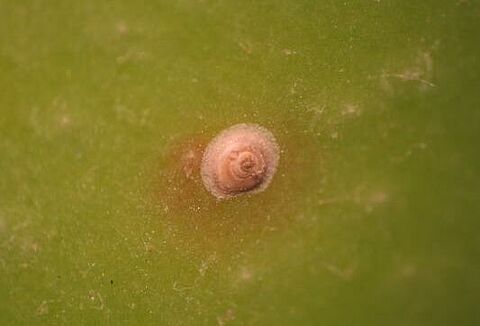
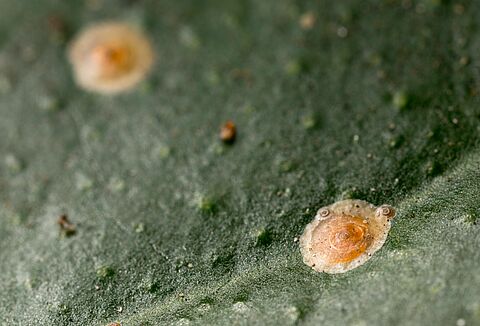
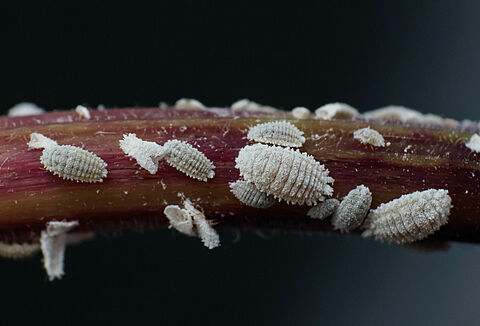
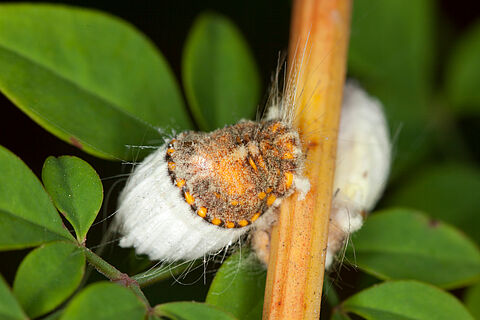
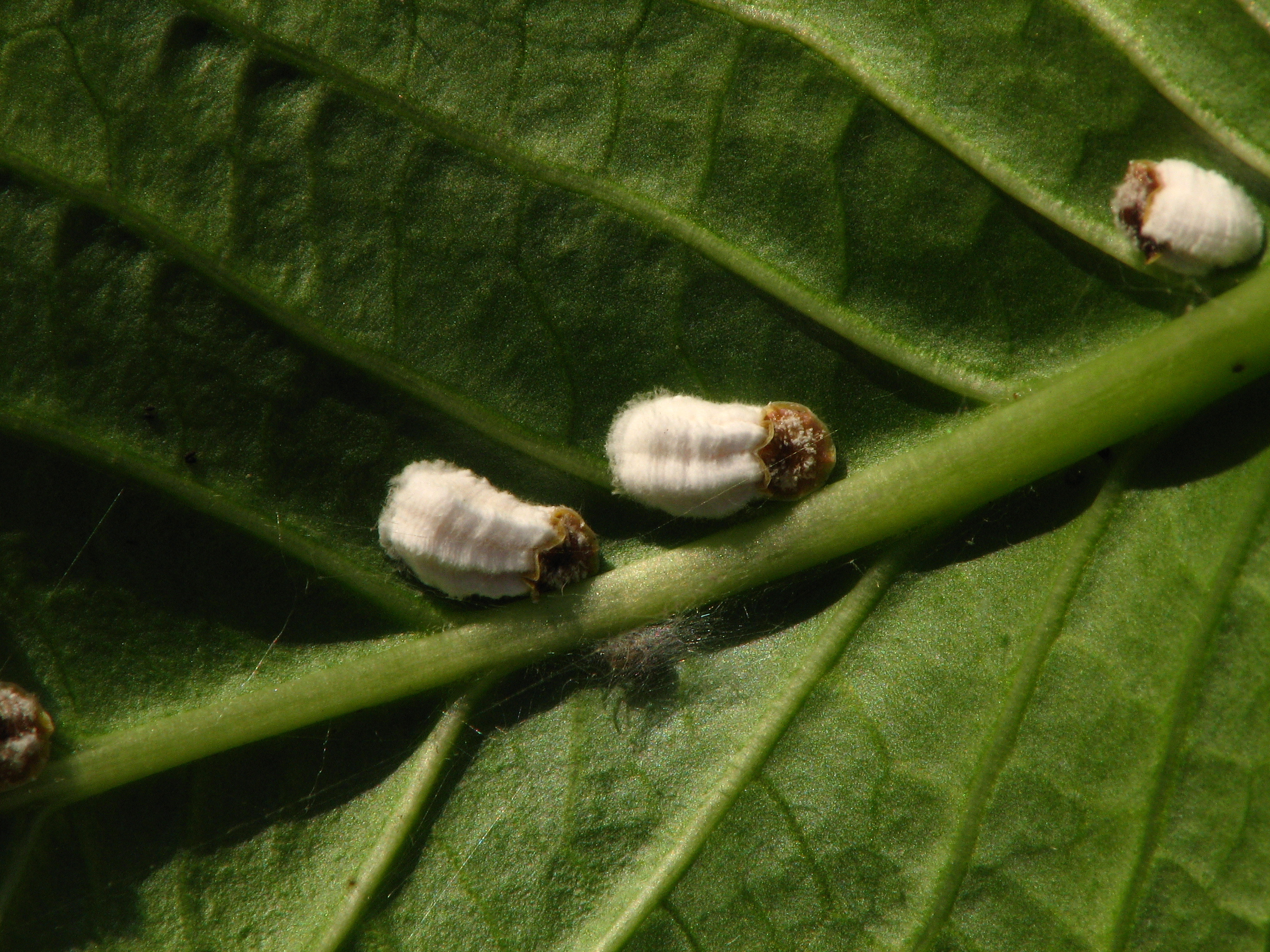
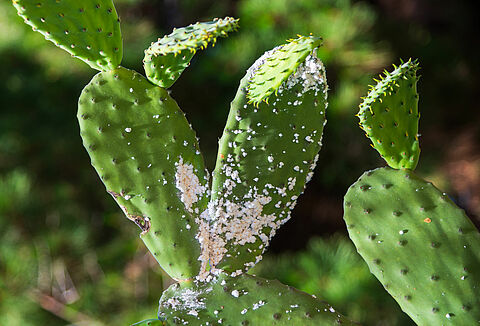
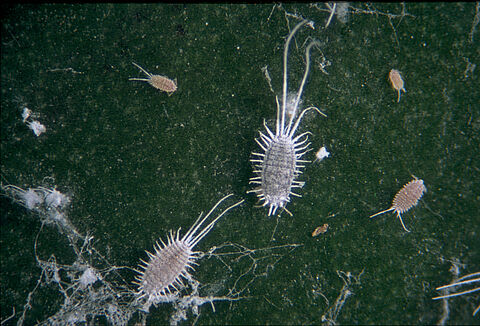
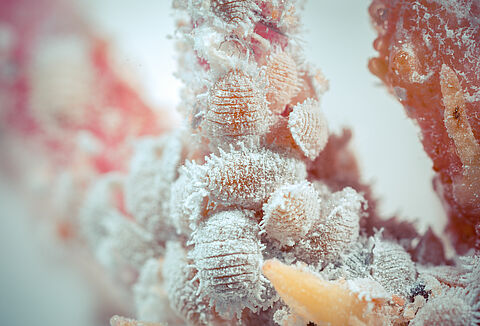
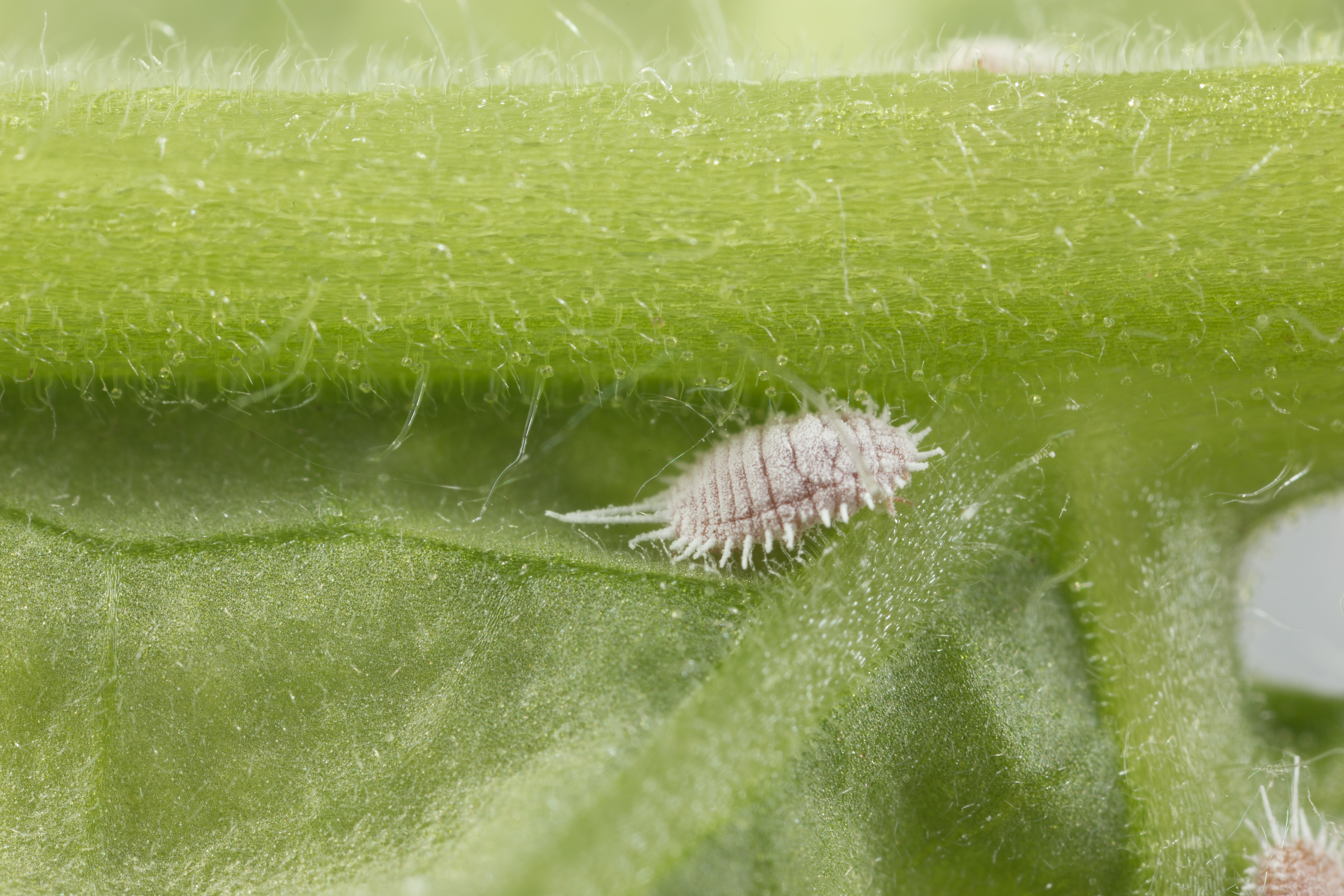
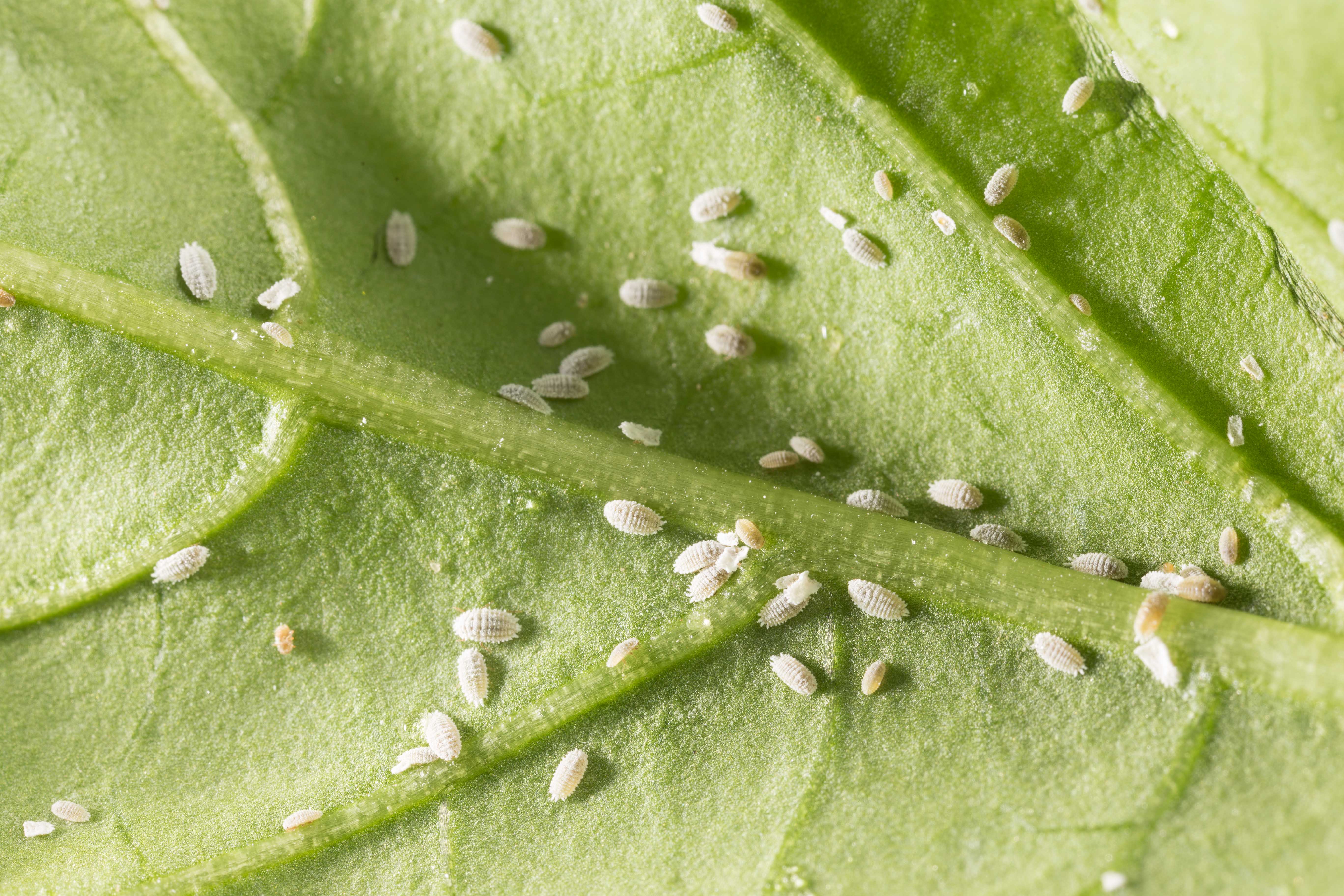
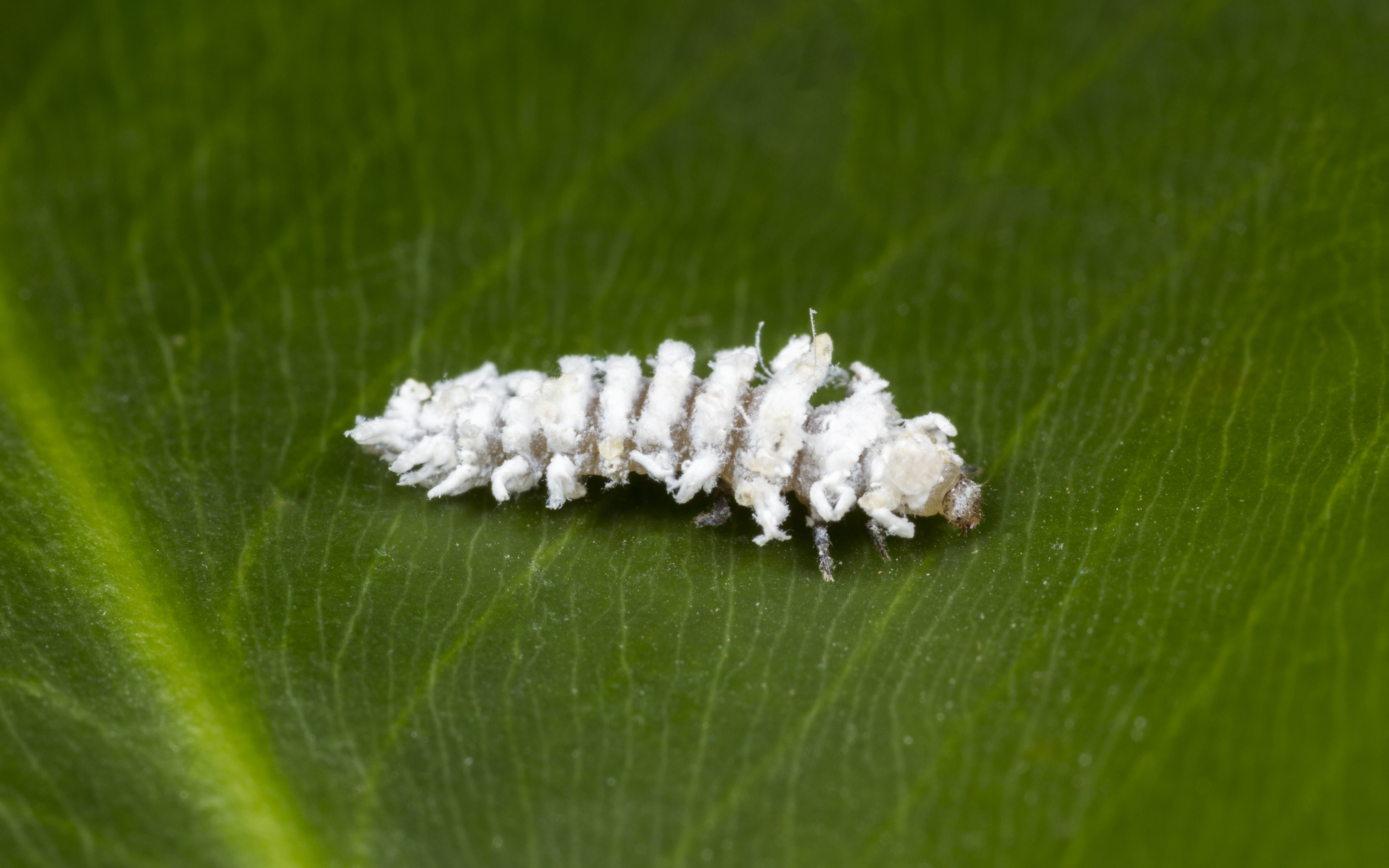
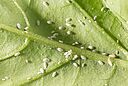
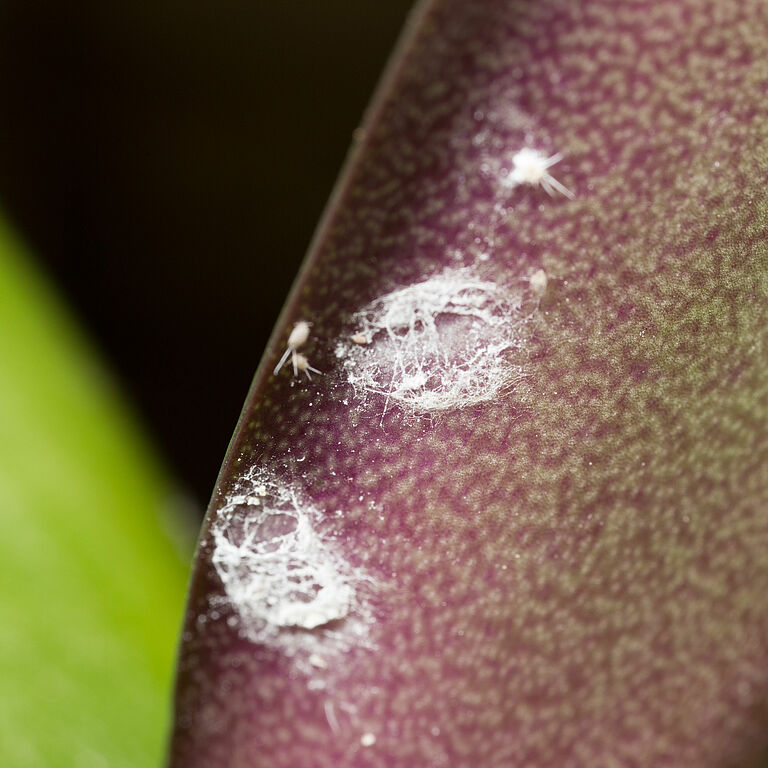
Mealybugs (family Pseudococcidae), soft scales (family Coccidae) and armoured scales (family Diaspididae) form three important families within the superfamily Coccoidea. This superfamily belongs to the order Hemiptera (the true bugs). Coccoidea are at first sight barely recognizable as insects. The females are wingless and immobile, and covered with a hard scale (armoured scales and soft scales) or with waxy threads (mealybugs). They suck the sap of plants and are mostly host plant specific. Apart from the damage they cause by sucking plant sap, mealybugs and soft scales also produce honeydew (on which moulds grow) resulting in considerable damage in ornamental and fruit crops and loss of value. Armoured scales do not produce honeydew. The concealed habit and the protective covering of these insects mean that they are very well protected against natural enemies and also against synthetic pesticides.
Mealybug & scale damage

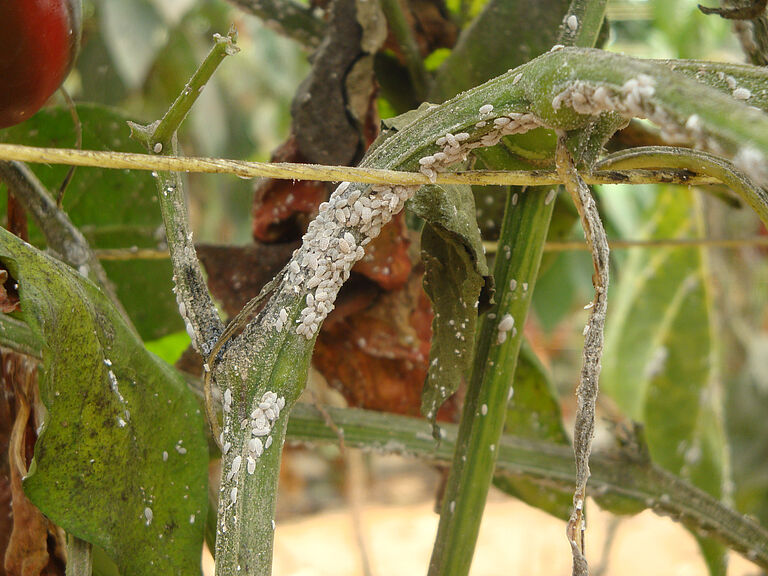
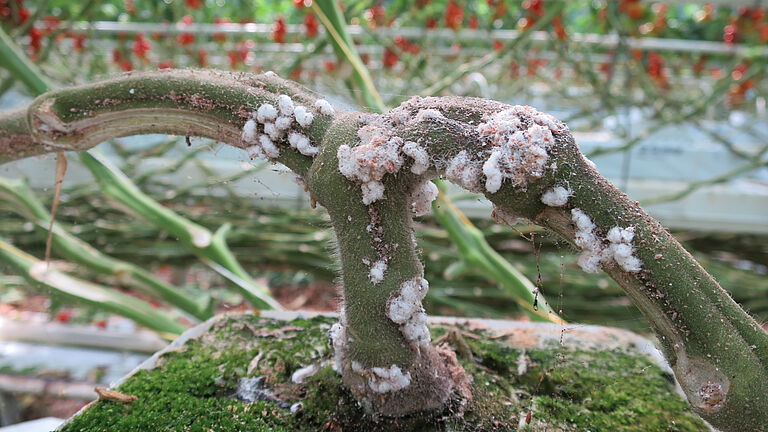
Although most species of mealybugs feed on the aerial parts of the plant, some species extract their nourishment from roots, whilst others are gall-formers. A few species can also transmit harmful viruses. Mealybugs inflict damage on the crop in various ways:

  • nymphs and females extract the sap from the plant, stunting growth and causing deformation and/or yellowing of leaves, sometimes followed by defoliation. The overall effect reduces photosynthesis and therefore the yield. Where flowers and fruit are concerned, these often drop off;
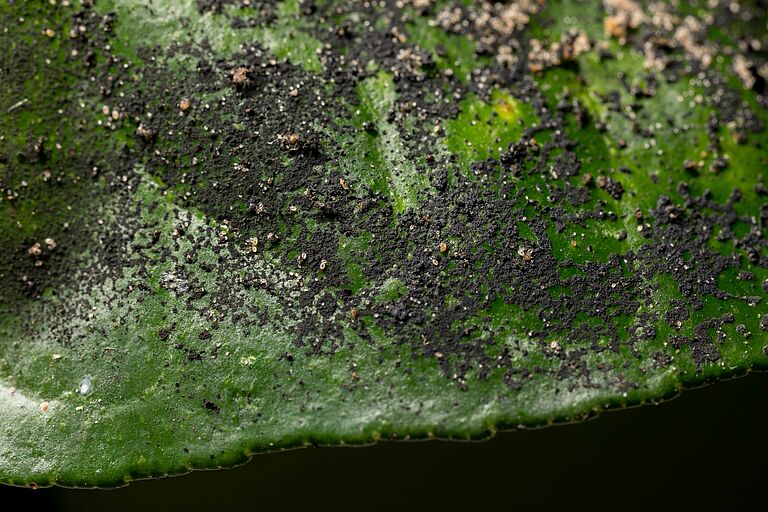
  • plant sap is low in proteins and rich in sugars. In order to gain an adequate intake of protein, mealybugs must ingest large quantities of sap, getting rid of the excess sugars in the form of honeydew. Characteristically, dark sooty moulds (Cladosporium spp.) are often found growing on this honeydew, which, as well as the white, waxy secretion of the mealybugs, reduces the ornamental value of the affected plants. Fruit and flowers are also fouled, rendering them unfit for sale, and the reduced level of photosynthesis in the leaves also reduces flower and fruit production;
  • in ornamental crops, the mere presence of mealybugs is sufficient to render the product unfit for sale. A very small population can thus cause considerable loss of value.

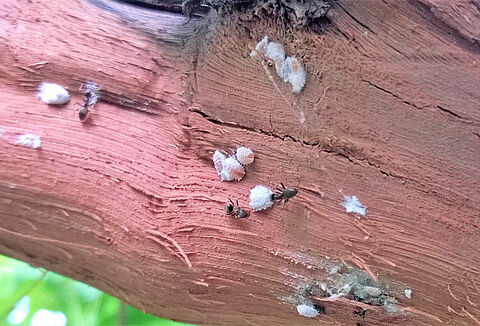
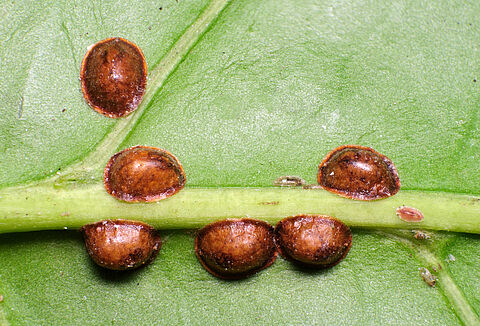
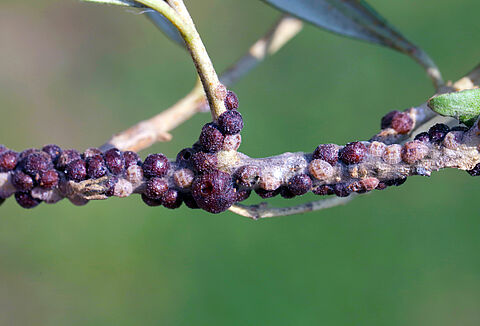
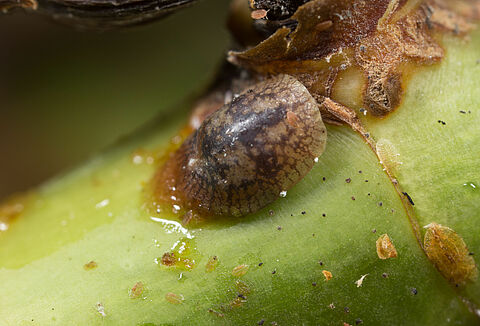
Soft scales feed mostly on leaves and twigs, causing discolouration of foliage, stunting, and in extreme cases eventual defoliation. However, it is mainly the great quantity of honey-dew that causes the damage because of the sooty mould that grows on it. Ants are also attracted by the honeydew. In fact, the honeydew with its sooty mould is usually the first sign of the presence of this type of pest. Among ornamental crops, ferns are particularly sensitive to soft scales, as are oleanders and orchids.

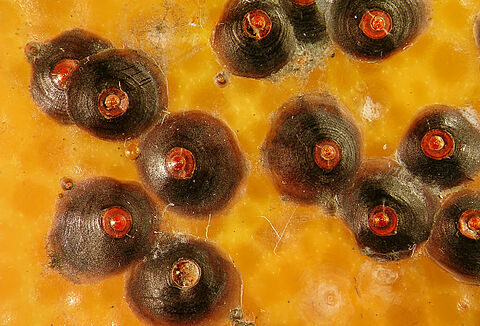
Armoured scales, unlike mealybugs and soft scales, produce no honeydew. They feed by sucking the contents of epidermal cells, into which they inject toxic substances that cause yellow, red or brown patches to appear on leaves and fruit. This can eventually kill the leaf.

Mealybug & scale species

Life cycle of mealybugs & scales

Mealybug & scale control videos

Take a look at the video or go to our Youtube channel to see our mealybug control products in action.

Need help?