
Skip to content

General

Aspidiotus nerii, the oleander scale or white scale belongs to the Coccoidea and has an almost worldwide distribution. Host plants include olive, apple, mango, palms, oleander and citrus.

Biological solutions for Oleander scale

Filters:
Clear all filters
Show all Show less
products found:

Questions or need help?

Find a reseller
  • Easy to use
  • Minimal resistance
  • No chemical residues
  • No pre-harvest intervals

Learn more about

Damage symptoms

Scale infestation can be seen by the appearance of the scale armour on stems, leaves and fruits of hosts. Infestations on the leaves and stems may cause wilting and may reduce the photosynthetic area of the plants, leading to lower yield. Damage to fruit occurs in heavy infestations, where spotting and often deformity of fruits affects market value. In olives this is seen as green spots on purple fruits. Damage to foliage is particularly important in ornamentals. Heavy infestation can lead to yellowing, leaf and shoot malformation or shrivelling and plant death.

Life cycle and appearance of Oleander scale

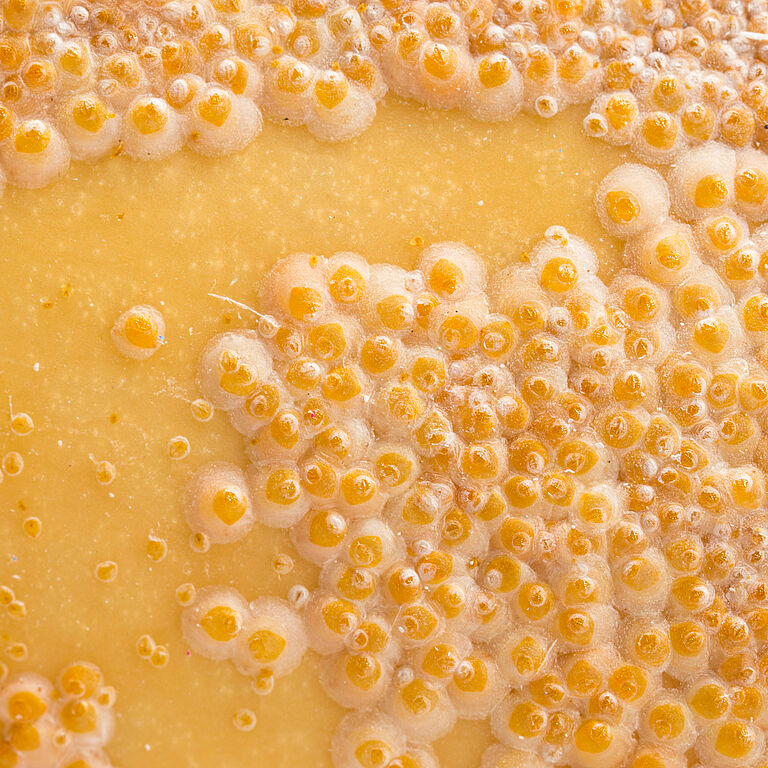
Adult oleander scales are a greyish, dirty white or yellowy colour, round in shape, with a scale whose apex is off-centred. This scale resembles a miniature fried egg with a diameter of 2 mm. The newly hatched crawlers are roughly 0.3 mm long. They quickly attach themselves to the plant and form a scale. Colonies mainly form on the underside of leaves.

After 1 to 2 months, the female reaches adulthood and begins to lay eggs. An adult female may live for several months.

Each female produces 30-175 offspring during her lifespan. At 30°C, there is a large reduction in fertility and high mortality in crawlers.

Need help?