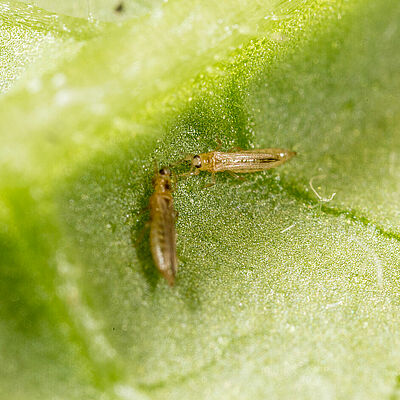
Various beneficial organisms contribute to the effective control of thrips in agriculture and horticulture. Koppert offers a range of effective thrips control products, harnessing the power of natural predators and beneficial organisms:
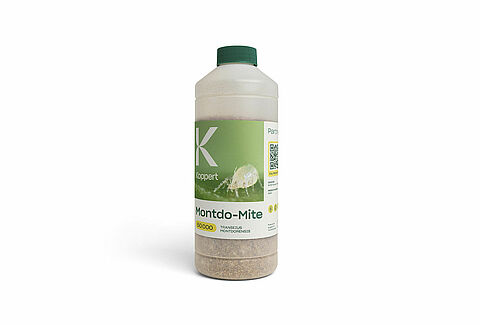
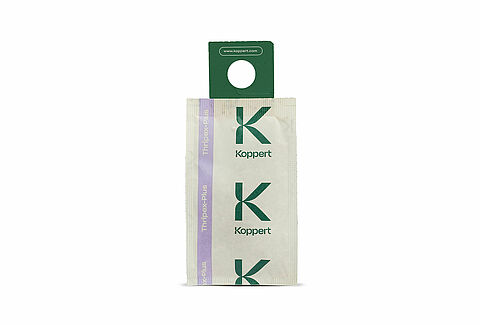
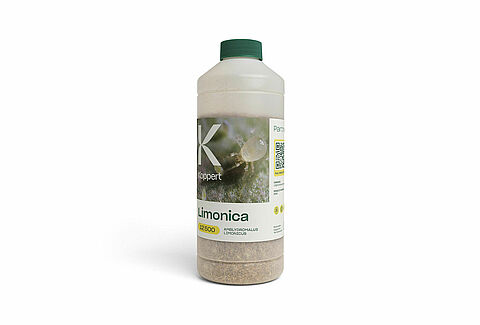
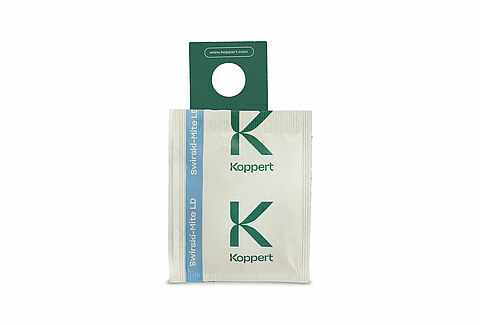
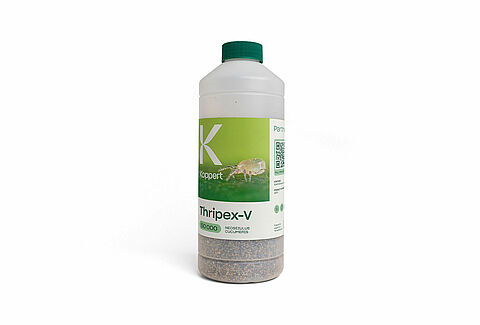
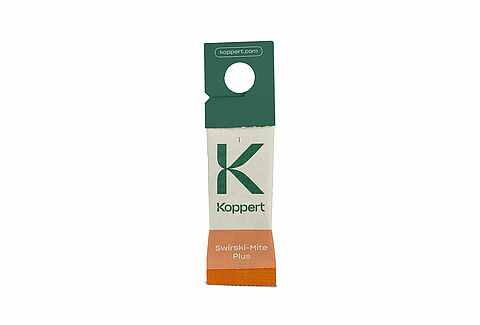
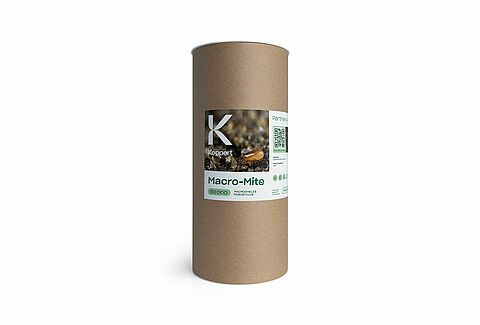
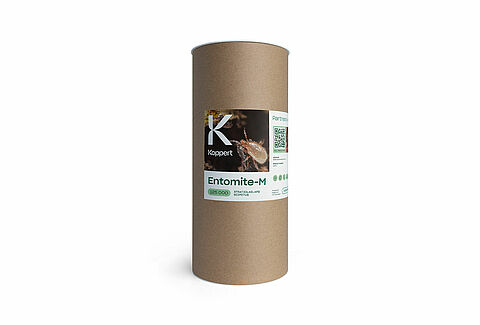
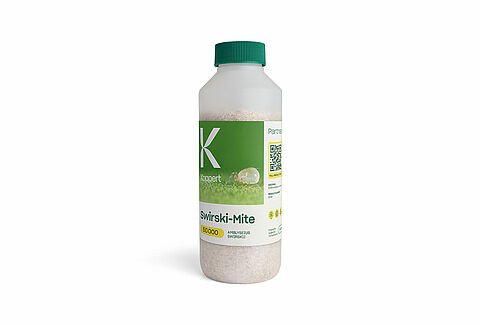
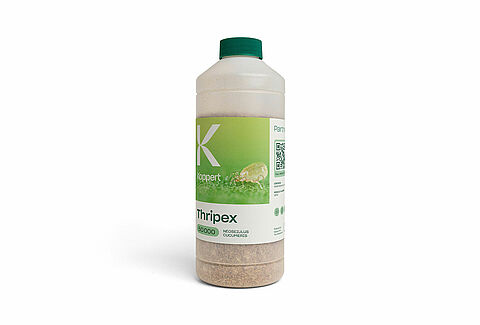
- Predatory mites, including Amblyseius swirskii (Swirski-Mite, Swirski-Mite LD, Swirski-Mite Plus, Swirski Ulti-Mite) and Amblydromalus limonicus (Limonica), actively prey on thrips, targeting young larvae and various life stages, even under challenging conditions. Transeius montdorensis (Montdo-Mite, Montdo-Mite Plus) specializes in controlling thrips in chrysanthemum crops, focusing on young larvae. Neoseiulus cucumeris (Thripex, Thripex-Plus, Thripex-V) is highly effective against thrips, particularly in their larval stage. Amblyseius andersoni (Anso-Mite, Anso-Mite Plus) excels in controlling thrips by focusing on young larvae during the preventive and early curative stages. Stratiolaelaps scimitus (Entomite-M) targets thrips pupae in the soil, while Macrocheles robustulus (Macro-Mite) efficiently controls thrips, especially pupae.
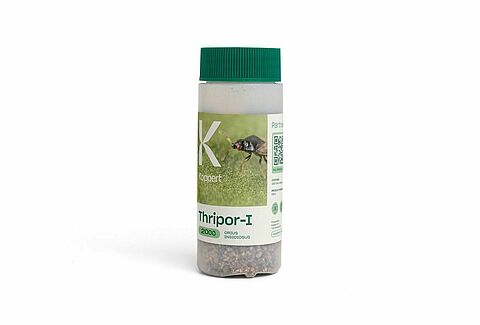
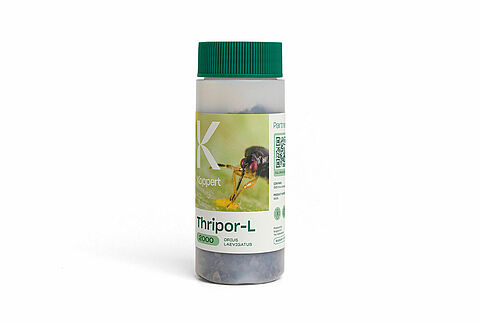
- Predatory bugs like Orius laevigatus (Thripor-L) and Orius insidiosus (Thripor-I) actively prey on both thrips larvae and adults, using their piercing-sucking mouthparts.
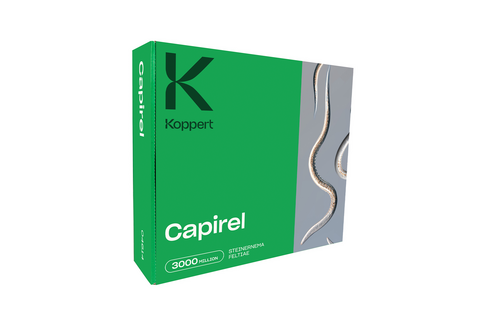
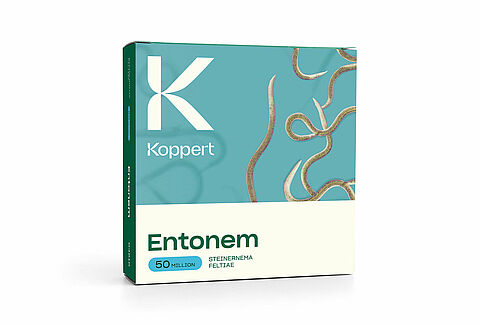
- Beneficial nematodes, specifically Steinernema feltiae (Entonem, Capirel), play a crucial role in thrips control, targeting both larvae and pupae.
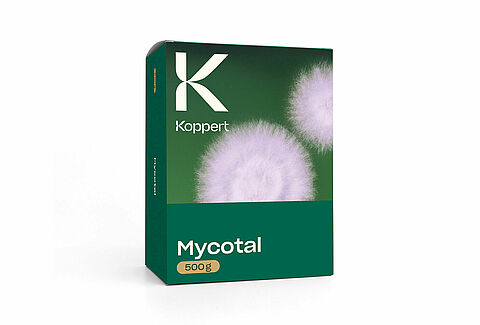
- Beneficial microorganisms, like Lecanicillium muscarium (Mycotal) infect thrips upon contact, growing inside and causing their eventual demise.
These diverse solutions form an integral part of Koppert's commitment to sustainable thrips management in agriculture and horticulture.