Natural enemies for aphids
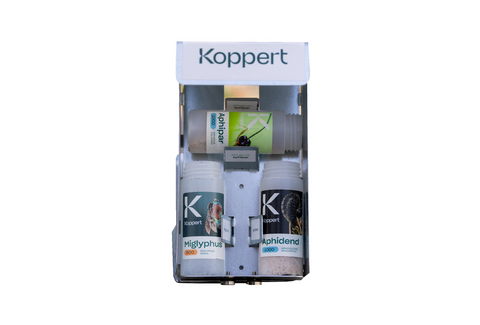
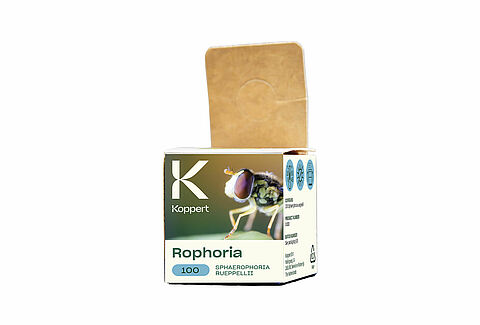
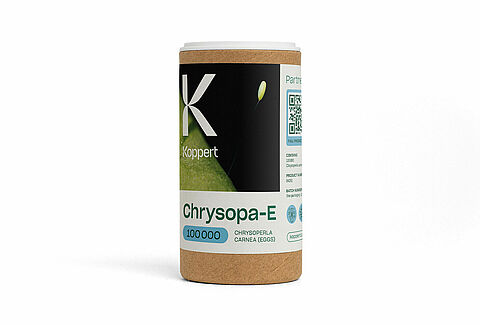
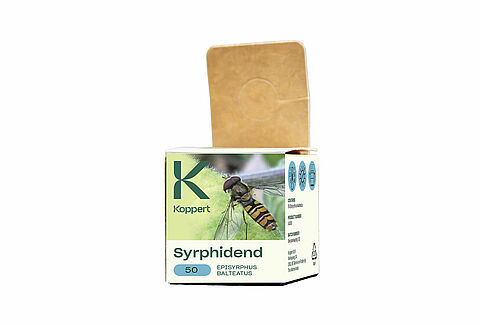

Various natural predators contribute to the effective control of aphids in agriculture and horticulture. Koppert offers a diverse range of aphid control products for sustainable pest management:
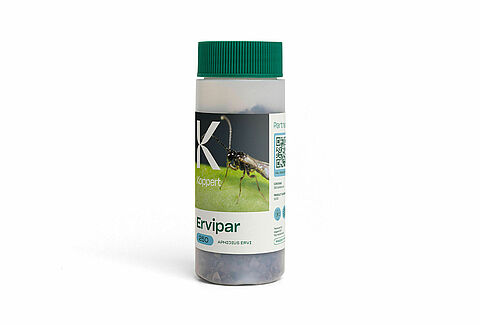
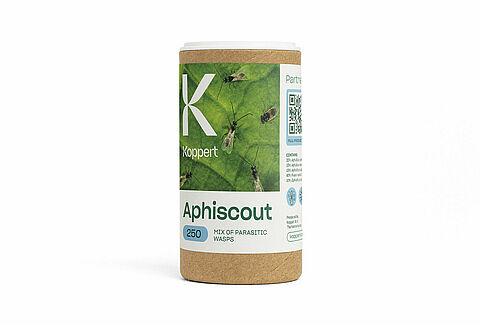
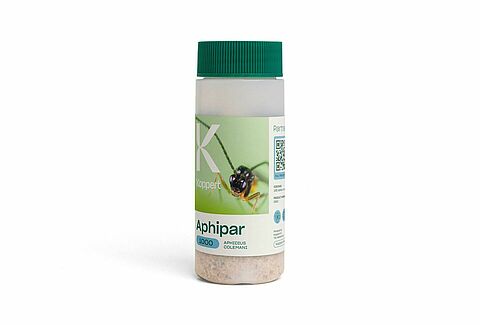
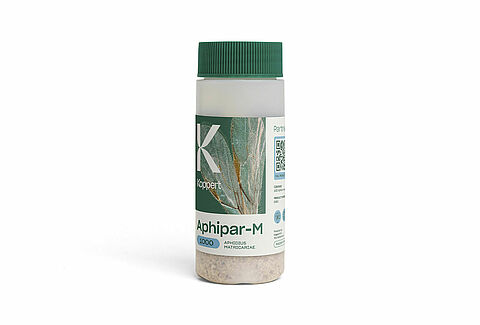
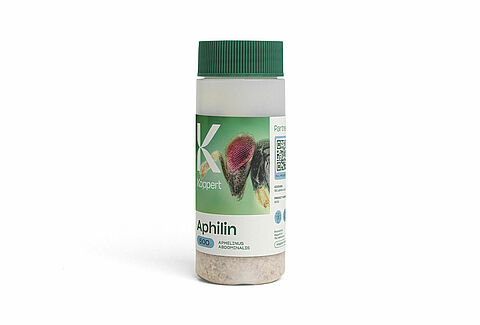
- Parasitic wasps, such as Aphidius colemani (Aphipar), Aphidius matricariae (Aphipar-M), Aphidius ervi (Ervipar), Praon volucre, Ephedrus cerasicola (Aphiscout), and Aphelinus abdominalis (Aphilin), lay their eggs inside aphid nymphs, and their larvae feed on the aphids, ultimately killing the host.
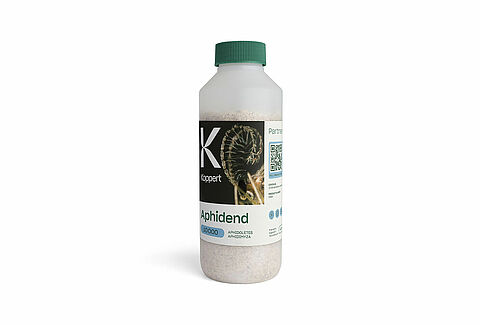
- Gall midges, including Aphidoletes aphidimyza (Aphidend), act as natural predators, laying eggs near aphid colonies, with resulting larvae efficiently consuming the aphids.
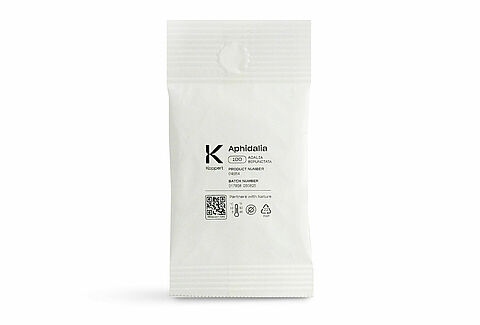
- Ladybirds, especially Adalia bipunctata (Aphidalia), are well-known predators that actively seek out and consume aphids.
- Lacewings, exemplified by Chrysoperla carnea (Chrysopa, Chrysopa-E), are voracious feeders that use their mandibles to pierce and consume aphids.
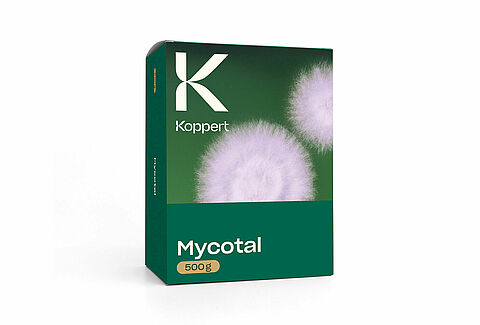
- Beneficial microorganisms, like Lecanicillium muscarium (Mycotal) infect aphids upon contact, growing inside the insect and causing its death.
- Hover flies, including Sphaerophoria rueppellii (Rophoria) and Episyrphus balteatus (Syrphidend), contribute to aphid control through their larvae, which actively hunt and consume aphids, reducing aphid populations significantly.
These natural predators are valuable components of integrated pest management strategies for sustainable aphid control.