





Skip to content
  • Jump to:
  • Solutions
  • Downloads
  • Downy mildew
  • Powdery mildew
  • Leafhoppers
  • Mealybugs
  • Scale insects
  • Biostimulation

Crop protection in viticulture

Grape cultivation requires a precise and sustainable approach to protect yield, quality and profitability. Commercial growers face increasing pressure from pests, diseases, and stricter regulations, while maintaining high production standards. Koppert supports professional grape producers with effective biological solutions and integrated pest management strategies that strengthen crop resilience, optimize plant health, and ensure consistent, high-quality yields, while contributing to more sustainable and future-proof production systems.

Biological solutions for Grapes

Filters:
Clear all filters
Show all Show less
products found:

Questions or need help?

Contact us
  • Allows reduced copper and sulphur inputs
  • Prevents resistance buildup
  • Future-proof regulatory compliance
  • Protects yield potential
Oops, an error occurred! Code: 20260512134658271545cc Event: c6a107623b204e979135a790ccd355a6

Learn more about

Downy mildew in grapes
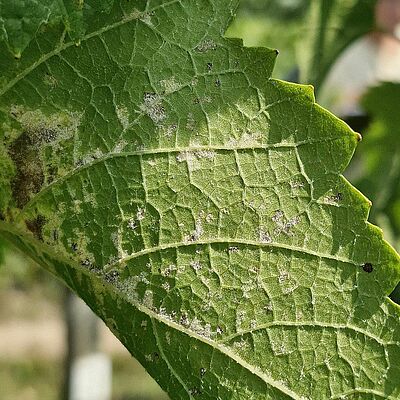
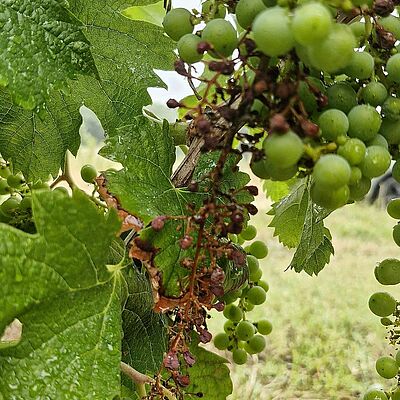
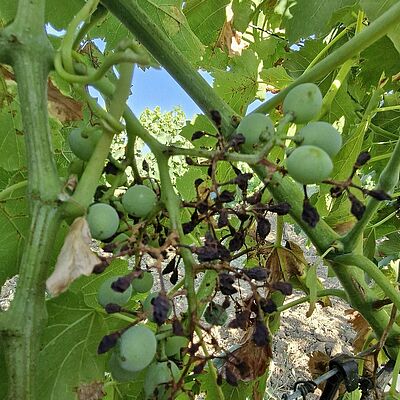
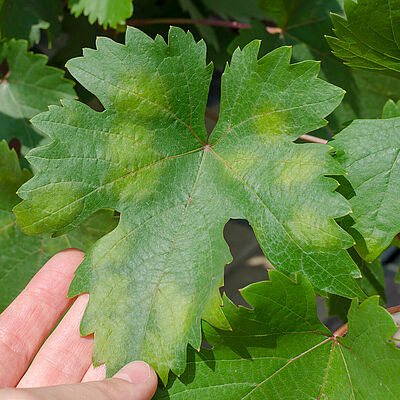
Grape downy mildew (Plasmopara viticola) is one of the most destructive diseases in grape production, particularly under humid and wet conditions. The pathogen infects green tissues and can spread rapidly, leading to significant yield and quality losses if not controlled early.

Symptoms and impact

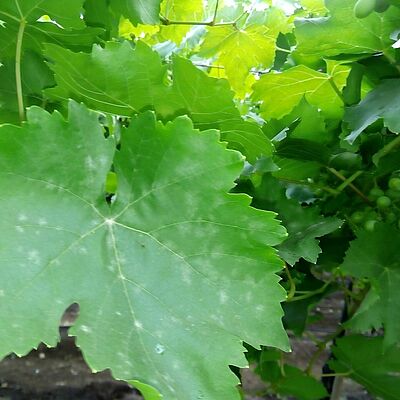
  • Yellow “oil spots” on the upper leaf surface
  • White, downy sporulation on the underside of leaves
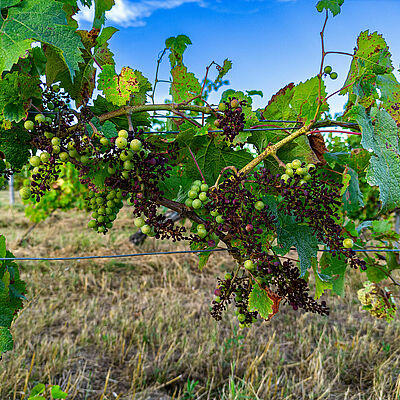
  • Infection of young shoots and bunches
  • Premature leaf drop and reduced photosynthesis
  • Severe cases: crop loss and reduced vine vigor in the following season

Disease development

Downy mildew thrives when:

  • Leaf wetness duration is high (rain, dew, irrigation)
  • Temperatures range between 10–25°C
  • Dense canopies reduce airflow and prolong moisture

Biological control of downy mildew in grapes

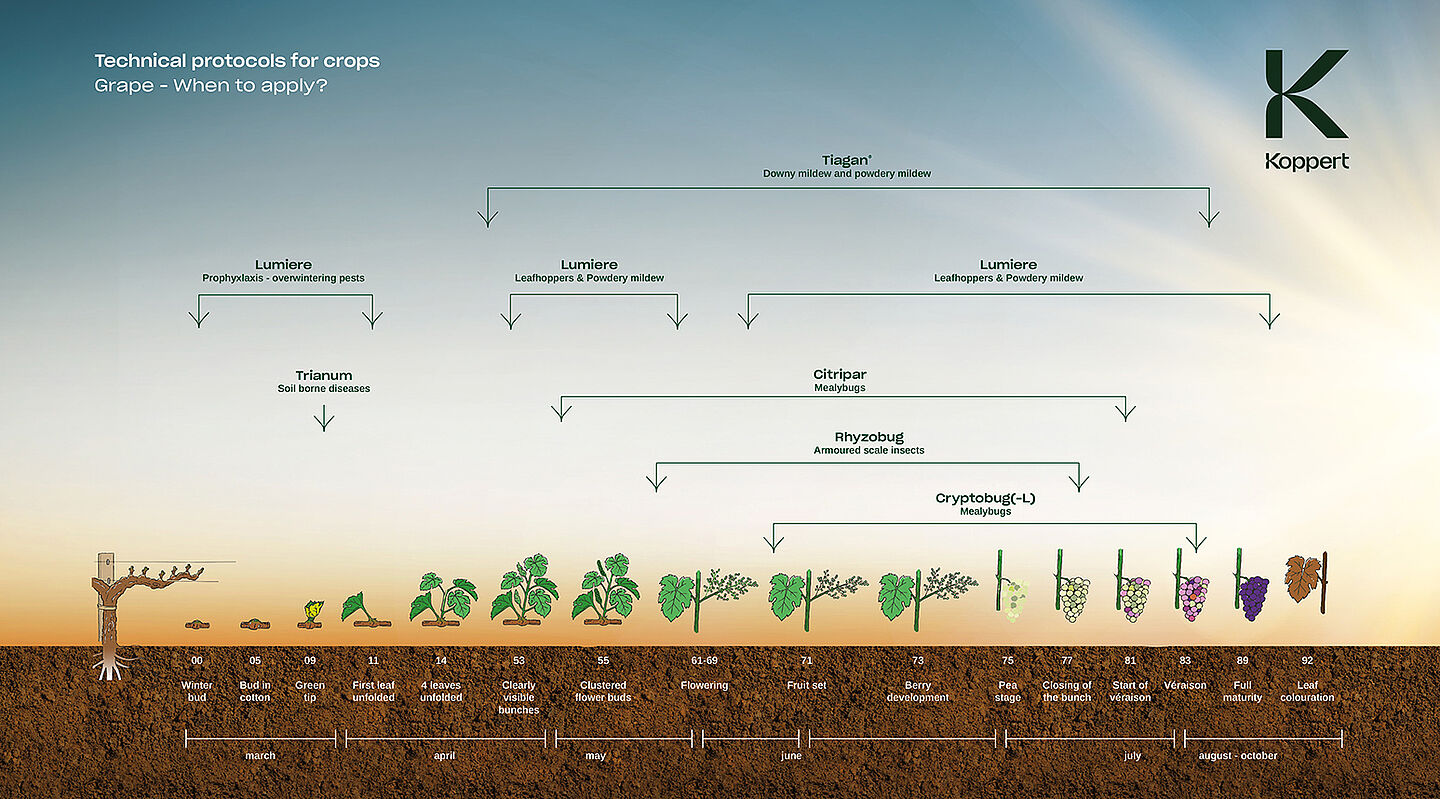
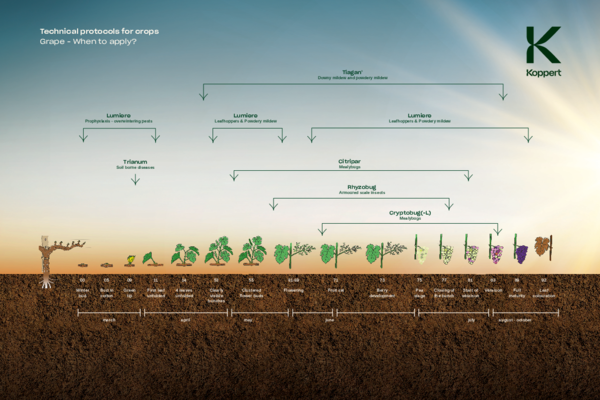
Tiagan is designed to support control of grape downy mildew (Plasmopara viticola) within an integrated crop protection strategy. It works by interfering with disease development and reducing infection pressure, helping to protect new plant growth during critical stages.

Tiagan is based on the free-living amoeba Willaertia magna C2c Maky is known for its ability to produce a wide range of bio-active compounds involved in microbial interactions. When used as a lysate, these compounds support plant protection by acting both on the plant surface and by activating the plant’s natural defense mechanisms. This dual mode of action makes Willaertia magna–based solutions well suited for the preventive management of grape downy mildew.
Powdery mildew in grapes

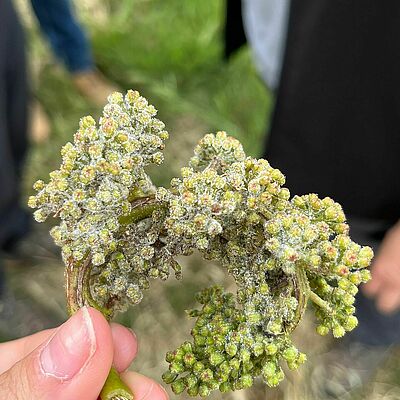
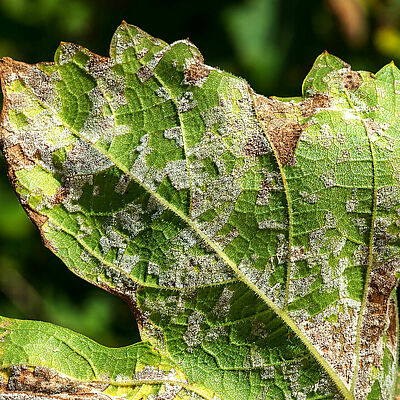
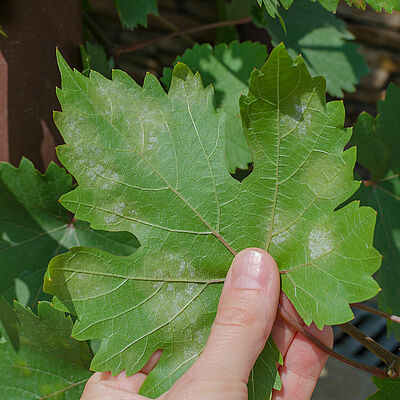
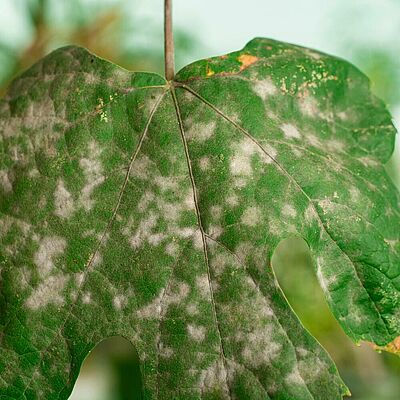
Grapevine powdery mildew (Erysiphe necator) is one of the most widespread and economically significant diseases in grape production. Unlike many fungal pathogens, it does not require free water to infect, making it a persistent threat throughout the growing season, especially in moderate temperatures and dense canopies.

Symptoms and impact

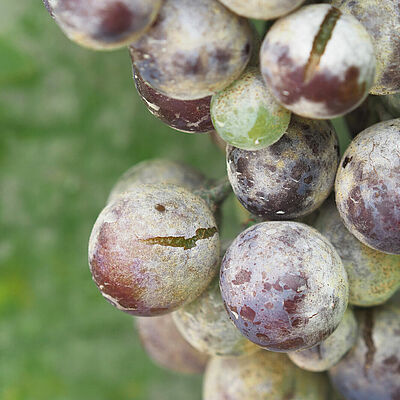
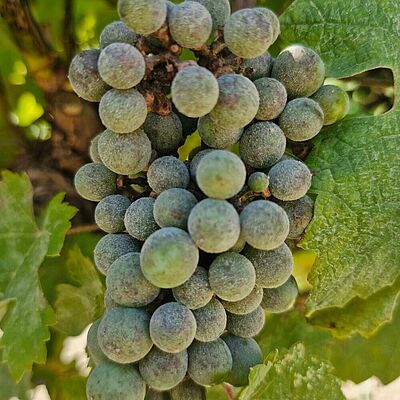
  • White, powdery fungal growth on leaves, shoots, and berries
  • Reduced photosynthesis due to leaf coverage
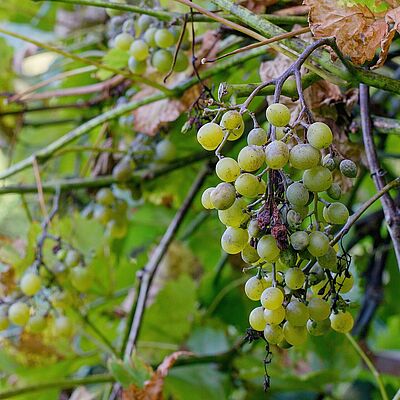
  • Berries may crack, deform, or fail to develop properly
  • Lower fruit quality, affecting both yield and marketability

Disease development

Powdery mildew develops rapidly under:

  • Temperatures between 20–30°C
  • High humidity (but not necessarily free water)
  • Shaded or dense canopies with limited airflow

Because spores can germinate without leaf wetness, infections can occur early and continuously, requiring a strong preventive strategy.

Control of grapevine powdery mildew

Effective control of grapevine powdery mildew requires a preventive and integrated approach, combining direct disease control with plant resilience.

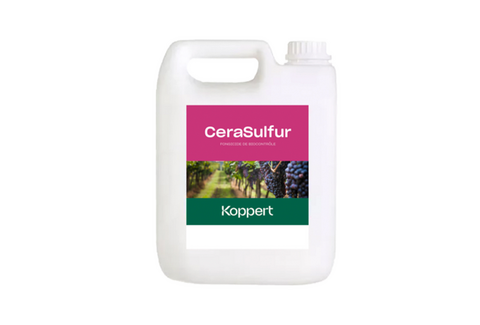
  • CeraSulfur: Acts through contact to inhibit spore germination and stop disease development. It forms the backbone of a preventive spray strategy, especially during periods of active growth.
  • Tiagan: Supports disease control by reducing infection pressure and interfering with disease development, helping to maintain protection under varying conditions.
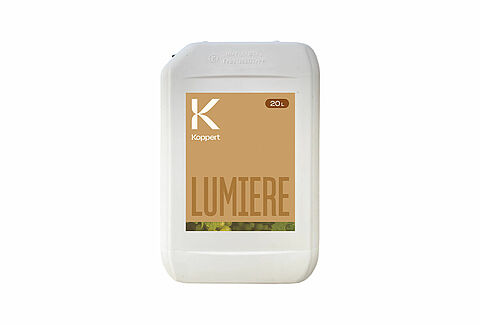
  • Lumiere: Enhances plant vitality and resilience, supporting the crop in coping with disease pressure and improving overall performance under stress conditions.

Leafhoppers in grapes

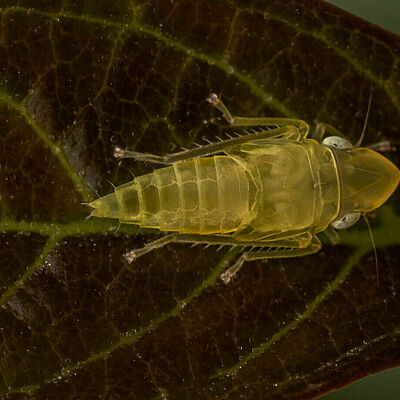
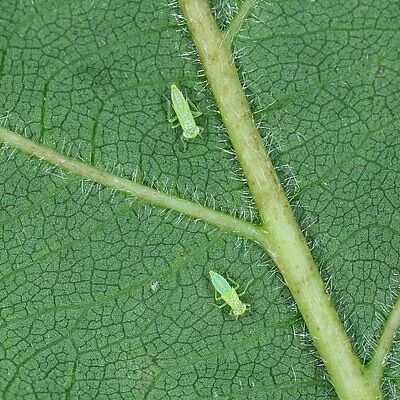
Leafhoppers are common in vineyards and can cause significant damage by feeding on leaf tissue, reducing photosynthesis. Key species include Empoasca vitis (grape leafhopper), which causes leaf discoloration and reduced photosynthesis, and Scaphoideus titanus, a major vector of Flavescence dorée, a serious grapevine disease.

Symptoms and impact

  • White or yellow stippling on leaves
  • Leaf curling and premature leaf drop
  • Reduced plant vigor and yield

Biological control strategy

  • Lumiere: Supports control of sucking insects like leafhoppers within an IPM program

Mealybugs in grapes

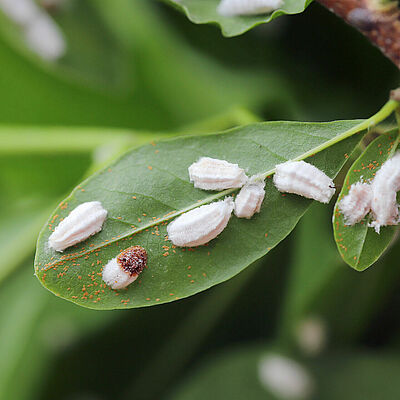
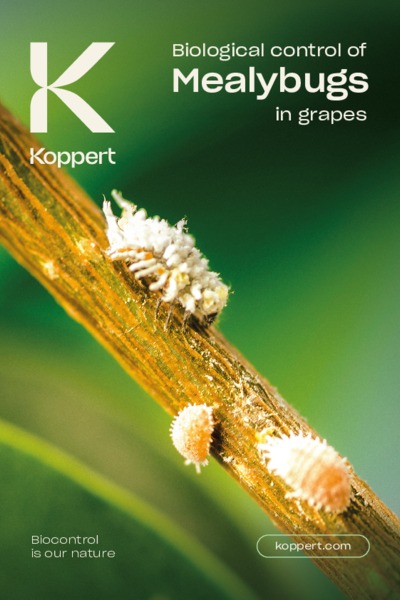
Mealybugs are a major pest in vineyards, particularly in warm climates and protected growing systems. They feed on plant sap and excrete honeydew, leading to sooty mold development and reduced fruit quality. More importantly, they are known vectors of grapevine viruses.Key species include Planococcus citri (citrus mealybug) and Planococcus ficus (vine mealybug).

Symptoms and impact

  • White, cotton-like clusters on stems and bunches
  • Sticky honeydew and black sooty mold
  • Reduced plant vigor and contamination of grapes
  • Risk of virus transmission

Biological control strategy

Effective control of mealybugs in grapes requires early intervention and population suppression.

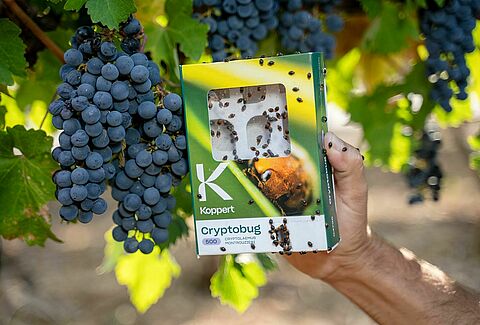
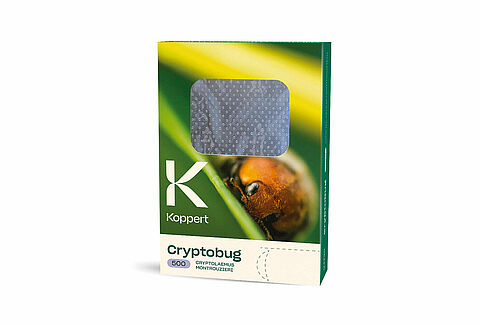
  • Cryptobug: Contains the predatory beetle Cryptolaemus montrouzieri, a highly effective predator of mealybugs in all life stages
  • Cryptobug-L: Larvae of the predatory beetle Cryptolaemus montrouzieri, ideal for preventive introductions and hotspot control
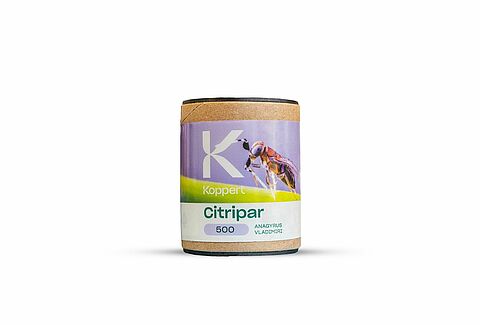
  • Citripar: Parasitoid wasp (Anagyrus vladimiri) that targets mealybugs and supports long-term population control

Scales in grapes

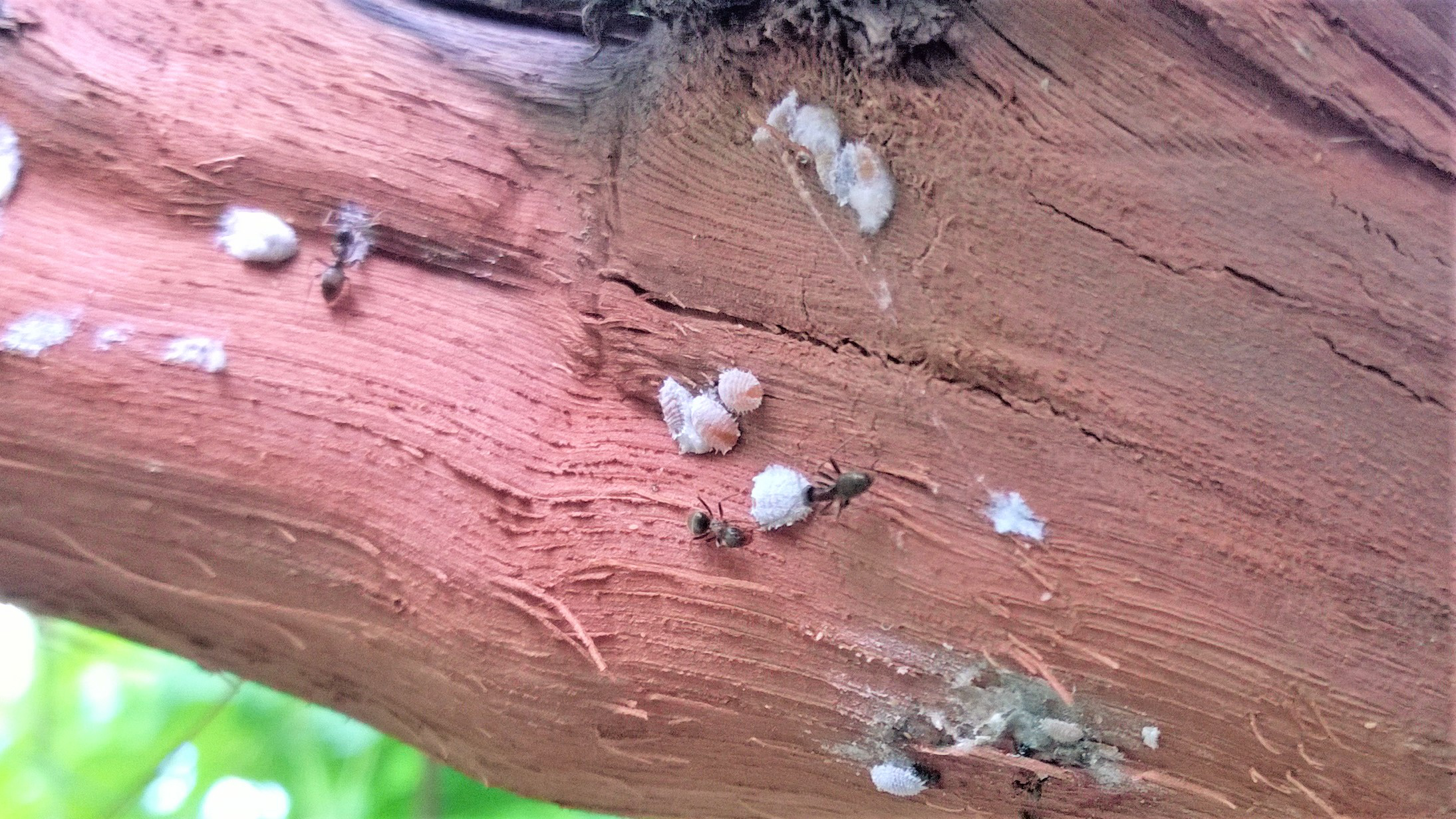
Scale insects attach themselves to wood and leaves, feeding on sap and weakening vines over time. Like mealybugs, they produce honeydew, which affects fruit quality.

Symptoms and impact

  • Hard or soft shell-like insects on stems
  • Yellowing leaves and reduced vigor
  • Honeydew and sooty mold

Biological control strategy

  • Citripar: Parasitic wasps that support biological control of scale populations through parasitism
  • Cryptobug: Predatory beetles can contribute to suppression, especially in mixed infestations

Biostimulation in grapes

Strong, resilient plants are less susceptible to pests and diseases. Biostimulants play a key role in improving root development, nutrient uptake, and stress tolerance.

Benefits for growers

  • Improved root growth and establishment
  • Enhanced nutrient efficiency
  • Increased tolerance to abiotic stress (heat, drought)
  • Stronger natural defense mechanisms

Solutions

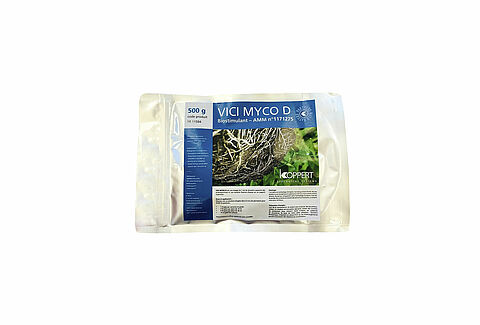
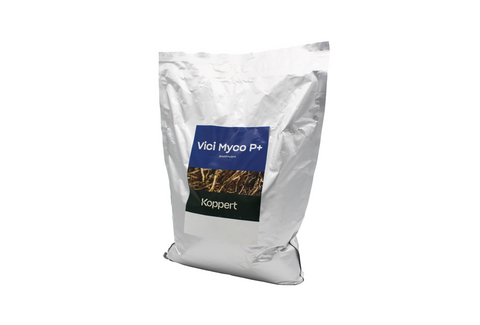
  • Vici Myco: Mycorrhizal fungi improving nutrient uptake and plant resilience
  • Lumiere: Supports overall plant vitality and stress resistance

About

The common grape vine (Vitis vinifera) is a species of Vitis. The plant comes originally from the Mediterranean region, central Europe and southwestern Asia and thus has been cultivated in Morocco and Portugal, southern Germany and Iran. The grape is the fruit of this plant and is actually a berry.

Grapes are consumed fresh and they are processed to make wine or juice and dried to produce raisins. Nowadays there are between 5,000 and 10,000 varieties of Vitis vinifera grapes, but only a few play an important commercial role when it comes to the production of wine, but also table grapes. Still, cultivars of the Vitis vinifera are the basis of wine production around the world. All the usual wine varieties are made from (different) types of Vitis vinifera.

Need help?