
Skip to content
  • Jump to:
  • Damage
  • Life cycle
  • Management

What is pear brown spot?

Pear brown spot is a destructive fungal disease caused by Stemphylium vesicarium. The disease affects leaves, shoots, and fruit, reducing fruit quality, marketable yield, and orchard productivity. Infections are most severe during warm, humid conditions and can spread rapidly when moisture is present. Early detection and preventive disease management are essential to minimize crop losses.

  Biological solutions for Pear brown spot  

Filters:
Clear all filters
Show all Show less
products found:

Questions or need help?

Contact us
  • Easy to use
  • Minimal resistance
  • No chemical residues
  • No pre-harvest intervals

Learn more about

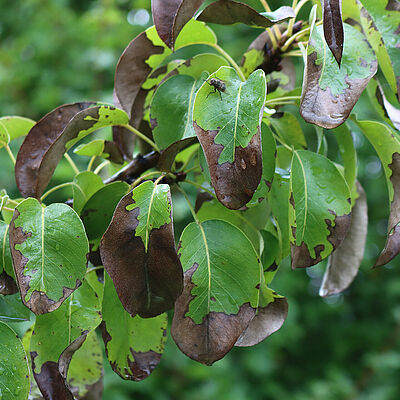
Damage symptoms of pear brown spot

Typical symptoms of pear brown spot include:

  • Small brown to dark brown spots on leaves
  • Yellow halos surrounding leaf lesions
  • Premature leaf drop
  • Dark, sunken lesions on fruit
  • Cracked or misshapen fruit
  • Reduced fruit quality and marketable yield

Life cycle of pear brown spot

Overwintering

Stemphylium vesicarium survives between growing seasons on infected plant debris and fallen leaves on the orchard floor, where it serves as a source of new infections.

Primary infection

During spring, fungal spores are released and spread by wind and rain. Moist conditions and moderate to warm temperatures promote infection of young leaves, shoots, blossoms, and developing fruit.

Disease development

Secondary spores produced on infected tissues allow the disease to spread rapidly throughout the orchard during periods of frequent rainfall, high humidity, or prolonged leaf wetness.

Management of pear brown spot

Effective control of pear brown spot requires an integrated approach combining cultural practices, monitoring and biological support.

Cultural practices

Preventive sanitation is highly relevant in pear brown spot management.

  • Floor sanitation: Thoroughly clean up fallen leaves, infected twigs, and fruit mummies from the orchard floor in autumn and winter to eliminate overwintering sites. Consider shredding leaf litter and floor sanitation.
  • Prune for air circulation: Remove dense canopy growth and dead wood to improve air flow and reduce leaf wetness during high-risk periods (spring through early summer)
  • Manage overhead water and frost systems: Utilize drip irrigation or under-canopy micro-sprinklers for irrigation to keep the canopy dry.

Monitoring pear brown spot

Regular orchard monitoring is essential to detect infections early and limit disease spread.

Inspect orchards for:

  • Brown lesions on young leaves
  • Yellow halos around leaf spots
  • Dark lesions on developing fruit
  • Premature leaf fall
  • Disease development following wet weather

Weather conditions play a key role in the development of pear brown spot. Combine regular orchard scouting with weather monitoring to identify periods of high infection risk.

  • Monitor periods of rainfall, prolonged leaf wetness, and relative humidity above 90%.
  • The risk of infection is highest when these conditions persist for 12–48 hours at temperatures between 15–25°C.
  • Use weather-based forecasting models to identify infection risk periods and optimize the timing of preventive interventions.

Biological control of pear brown spot

Preventive disease management is essential for controlling pear brown spot. Koppert supports sustainable disease management with Trianum-P, a biological product based on the beneficial fungus Trichoderma harzianum T-22. By colonizing the root zone, Trianum-P promotes healthy root development, improves plant vigor, and strengthens the crop's natural resilience against environmental and disease stress. Trichoderma harzianum T-22 also accelerates the decomposition of fallen leaves and colonizes orchard debris, helping to reduce disease pressure. As part of an integrated crop management strategy, Trianum-P contributes to healthier pear trees and more resilient orchards.

Need help?