Koppert offers effective solutions for psyllid control, addressing the damage caused by pests like the Asian citrus psyllid, Potato/tomato psyllid and Pear psylla.
- The predatory beetle Cryptolaemus montrouzieri (Cryptobug-L), actively preys on psyllids, making it suitable natural enemies in psyllid control.
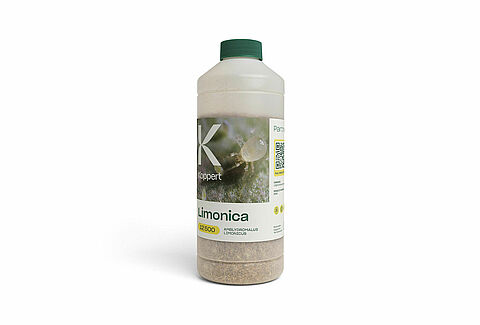
- The predatory mite Amblydromalus limonicus (Limonica) contributes to the control of psyllids by actively preying on them. Limonica is a natural enemy of psyllids and is particularly effective in managing their populations.
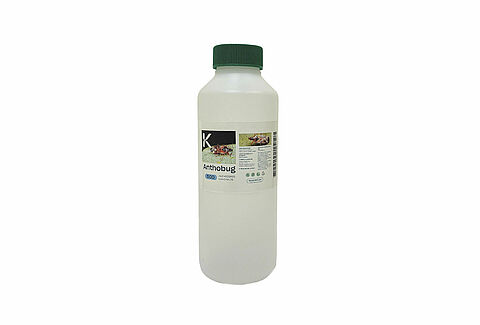
- The Predatory bug Anthocoris nemoralis (Anthobug) is a natural enemy of psyllids and is particularly effective in managing their populations. These predatory bugs use their piercing-sucking mouthparts to feed on psyllids at various life stages, including eggs, nymphs, and adults.
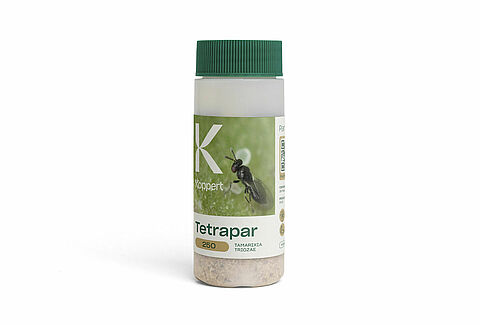
- The parasitic wasp Tamarixia triozae (Tetrapar) plays a crucial role in the biological control of psyllids, specifically those belonging to the Trioza genus. These tiny wasps are natural enemies of psyllids and are recognized for their effectiveness in managing psyllid populations.
- Monitoring and trapping tools enhance pest detection and reduction of psyllids. Sticky traps like Horiver Delta, Horiver Dry, Horiver Wet and Rollertrap are used as a monitoring and control tool for psyllids, small sap-sucking insects that can cause damage to various crops. The traps consist of a sticky surface, often coated with a substance to attract psyllids. These traps are strategically placed in areas susceptible to psyllid infestations.