Natupol Fly or Lucilia sericata flies are utilized for small-scale crops with only a few flowers or for crops that produce minimal pollen. The Natupol Fly Checklist outlines the best practices for achieving optimal pollination results.
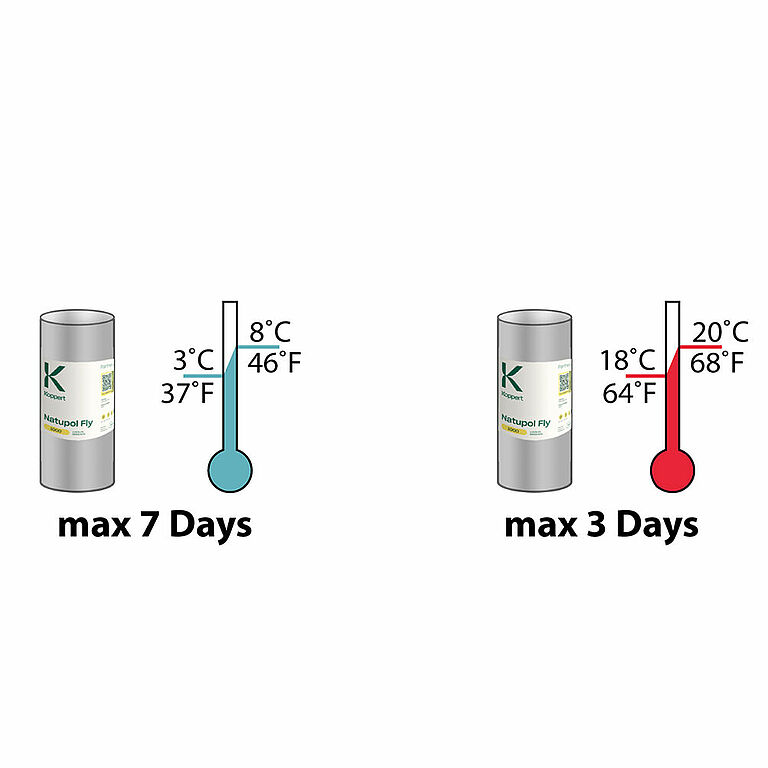
The emergence of Natupol Fly adults from the pupae more or less stops at a storage temperature of between 3 ˚C and 8 ˚C. At higher temperatures, the fully-grown flies emerge over time, depending on the actual temperature. Natupol Fly is supplied as pupae in cardboard tubes.
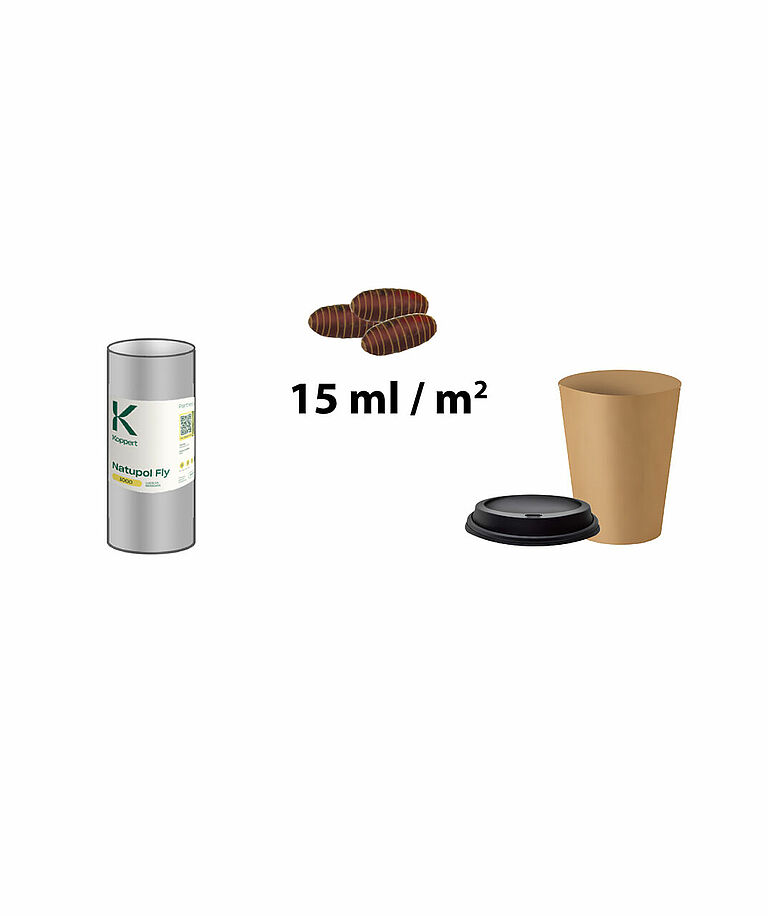
Use 15 ml of pupae per square metre as standard. Modify this quantity in relation to the number of flowers per square metre.
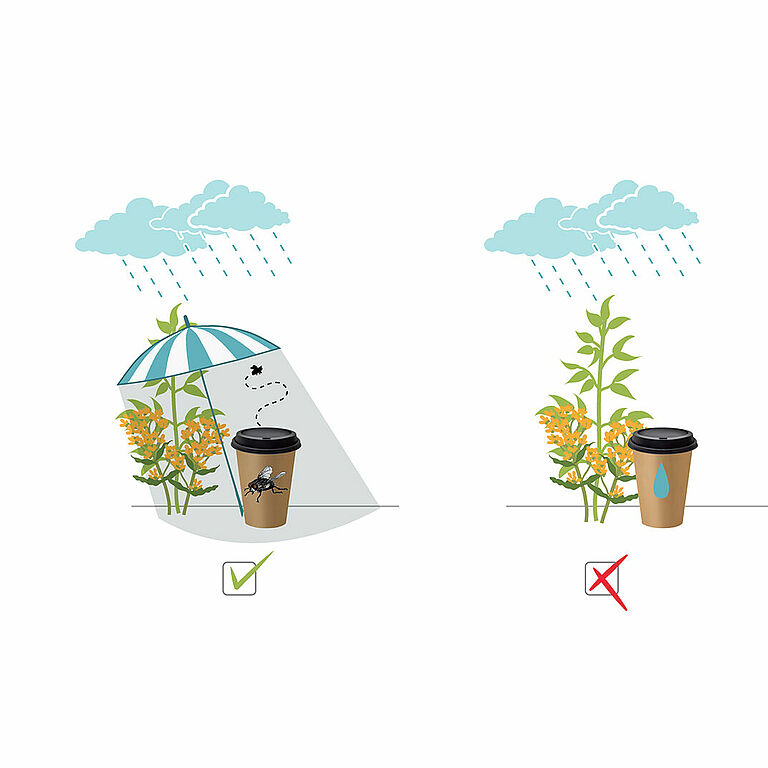
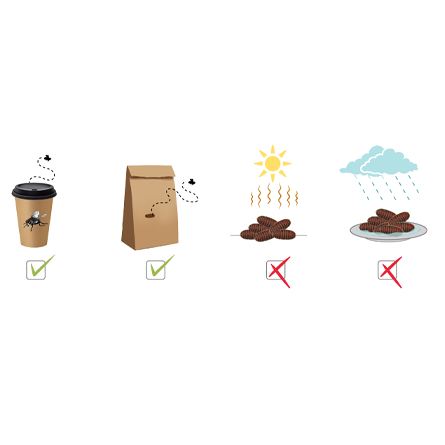
Protect the pupae from direct sunlight and moisture such as rain or condensation. Use coffee cups with lids, for instance, or bags. Do not scatter the pupae loose.
Experiences in practice suggest that the side effects of chemical applications on Natupol Fly generally resemble the side effects on bumblebees. For further information on side effects on Natupol Fly, search in the side effect database for bumblebees (Bombus spp.).
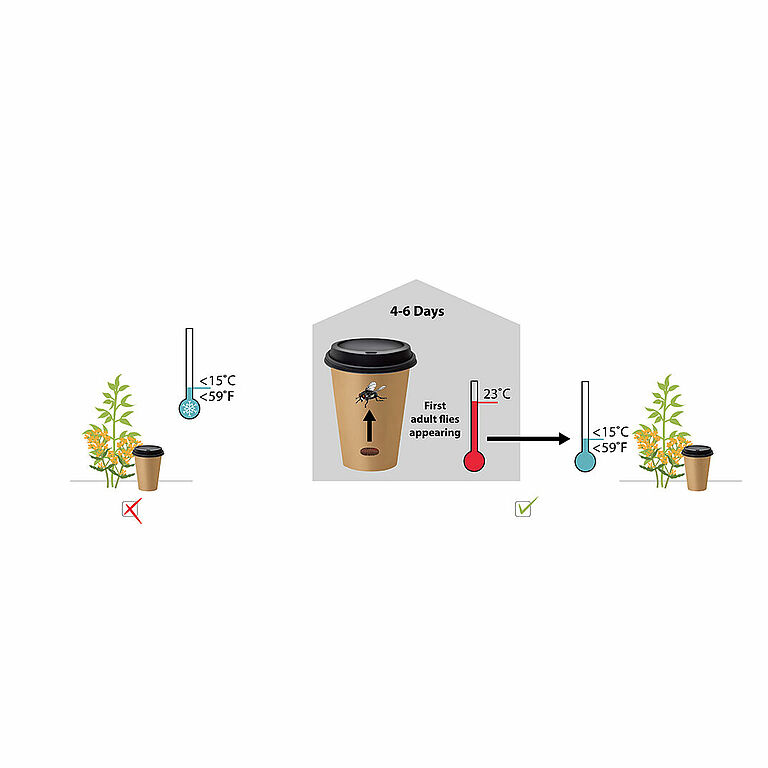
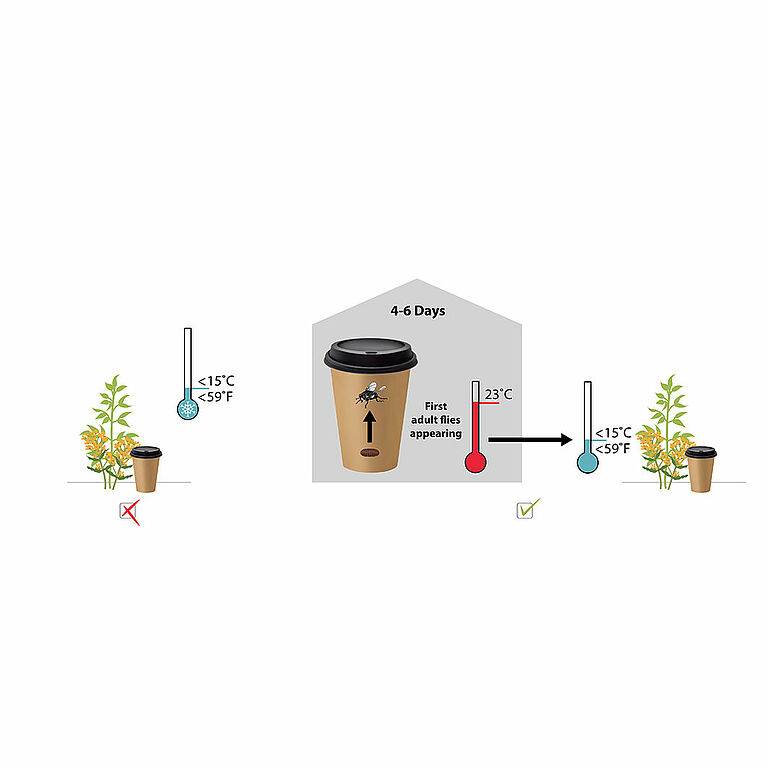
Do not release Natupol Fly without preparation if the temperature is below 15 ˚C. The outcome will be unpredictable and will often take longer than a week. In the event of having to use Natupol Fly at a temperature below 15 ˚C, first mature them in a warm environment. Release Natupol Fly once the first fully-grown flies have emerged.
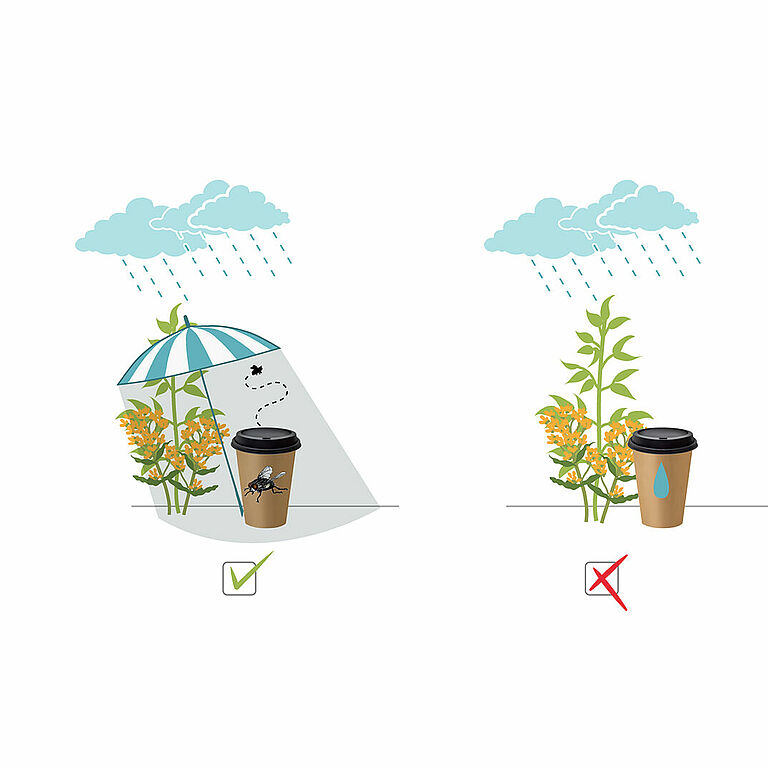
Protect the opening for the flies against water.
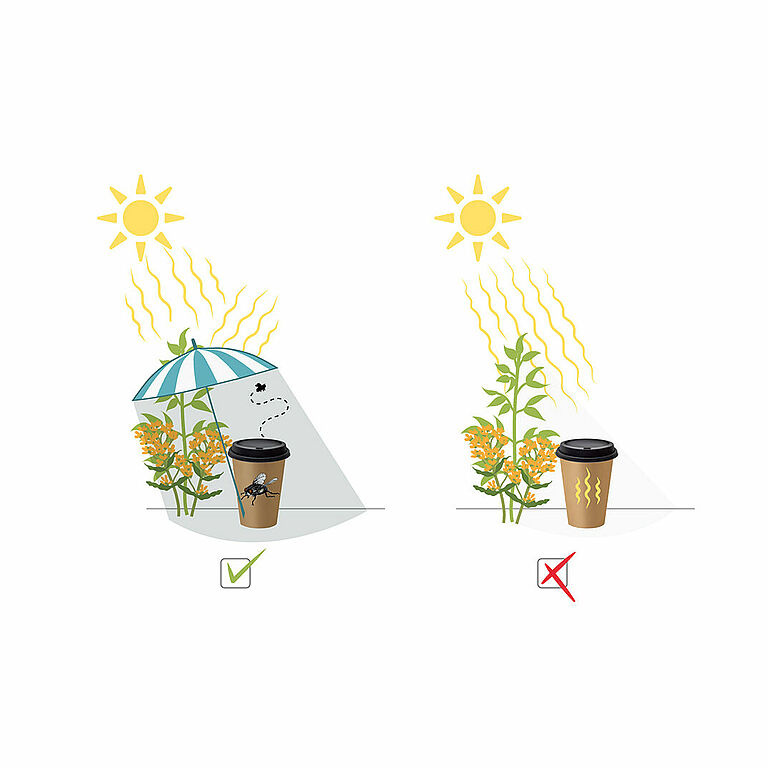
Protect the opening for the flies against heat. It is preferable to use white of light coloured bags/cups at temperatures above 20 °C.
Natupol Fly or Lucilia Sericata flies are utilized for small-scale crops with only a few flowers or for crops that produce minimal pollen. The Natupol Fly Checklist outlines the best practices for achieving optimal pollination results.
Handling
Do not release Natupol Fly without preparation if the 24-hour temperature is below 15 ˚C. The outcome will be unpredictable, and the process will take longer than a week. If it becomes necessary to use Natupol Fly at a temperature below 15 ˚C, it is advisable to first mature them in a warm (23 (21-25) ˚C) environment. It is best to distribute the pupae over multiple smaller closed cups or trays, facilitating easy monitoring of emerging flies. Release Natupol Fly once the first flies begin to emerge.
Storage
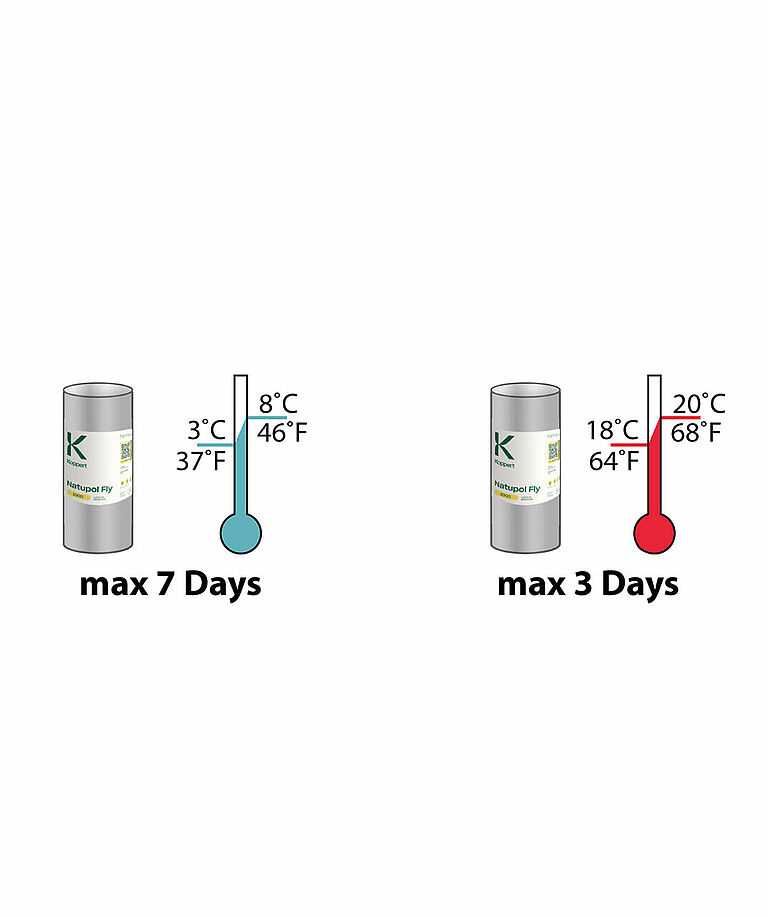
It is recommended to use the product as soon as possible after arrival. If needed, the product can be stored for up to one week. For short-term (3 days) storage, the product is best stored around 18-20 degrees. For storage between 4 and 7 days, the pupae/product can be optimally stored between 3 - 8 ˚C. Natupol Fly is supplied in cardboard tubes and/or cardboard boxes containing bags.
Care
Protect the pupae from direct sunlight, cold surfaces, rodents, and moisture, such as rain or condensation. Use coffee cups with lids, small trays, or bags. Do not scatter the pupae loosely on the soil. Protect the opening for the flies against water. Also, protect the opening for the flies against heat. It is preferable to use white or light-colored bags/cups at temperatures above 20 °C.
Placement
Good experiences are obtained using the following placement methods:
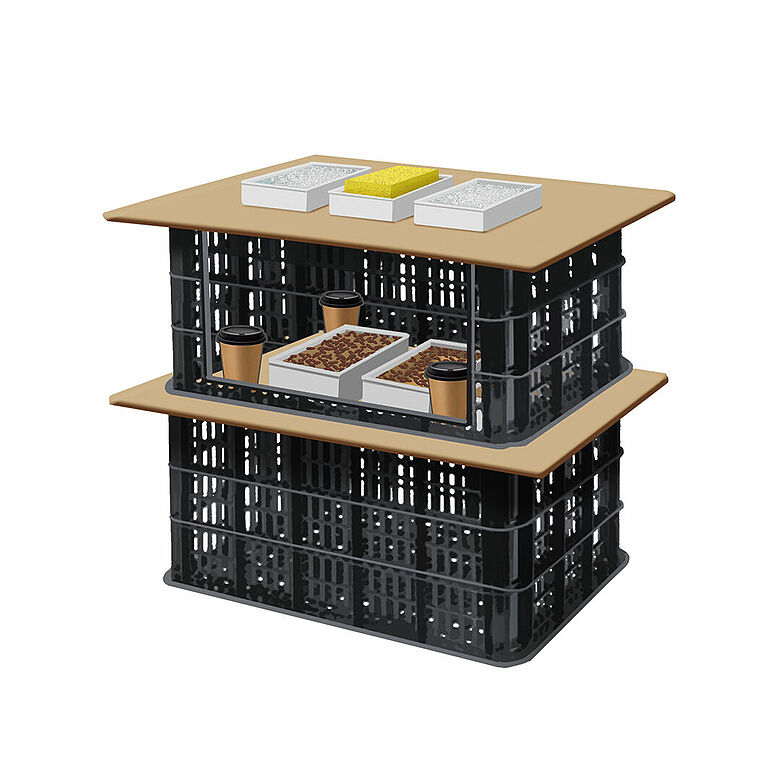
- Place one crate on the surface (upside down). This crate serves as a table.
- Place the fly pupae (in trays/cups) on top of this crate
- Place a second crate over the fly pupae to protect them from heavy sunlight/water
- In case of high radiation in the summer, a sheet of cardboard can also be used to create extra shadow
Introduction schedule
As a general guide use 15 ml of pupae per square metre as standard. Modify this quantity in relation to the number of flowers per square metre.
Use 30 ml Introduce between 100 0 pupae /M2 /week depending on crop and stage of blossom
Use 15 ml of pupae per square meter as standard. Modify this quantity in relation to the number of flowers per square meter. Introduce between 100 and 1,000 pupae/M2/week depending on the crop and stage of blossom.
Introduction schedule per crop

Compatibility
Always check the potential influence of chemical applications used prior to introducing flies or using chemical applications. Practical experiences suggest that the side effects of chemical applications on Natupol Fly generally resemble the side effects on bumblebees. For further information on side effects on Natupol Fly, refer to the side effect database for bumblebees (Bombus spp.).