What are parasitic wasps?
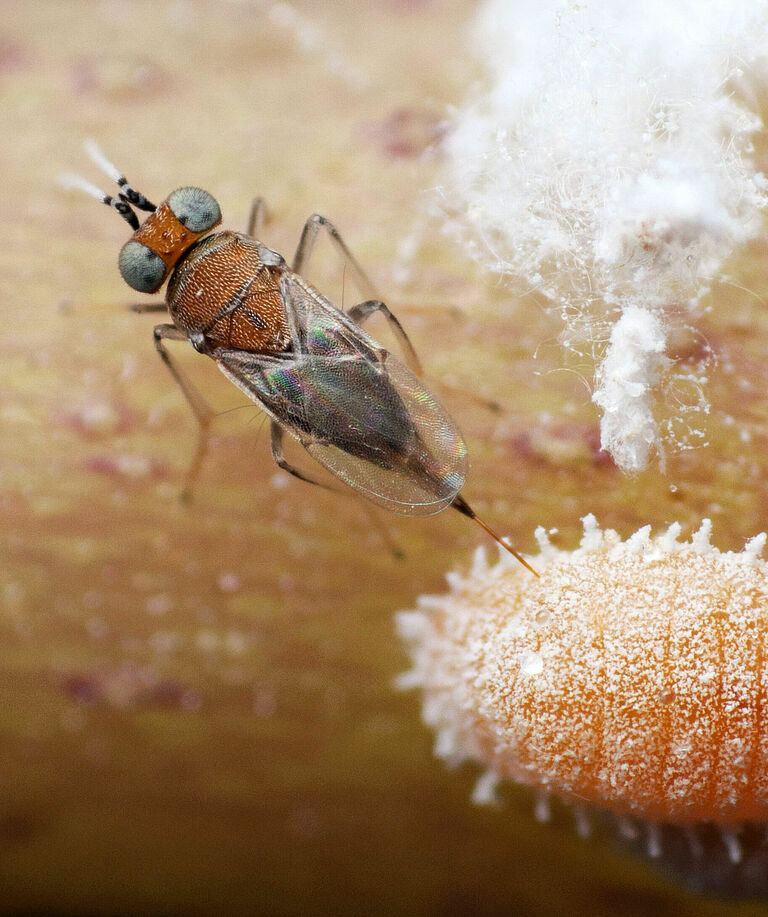
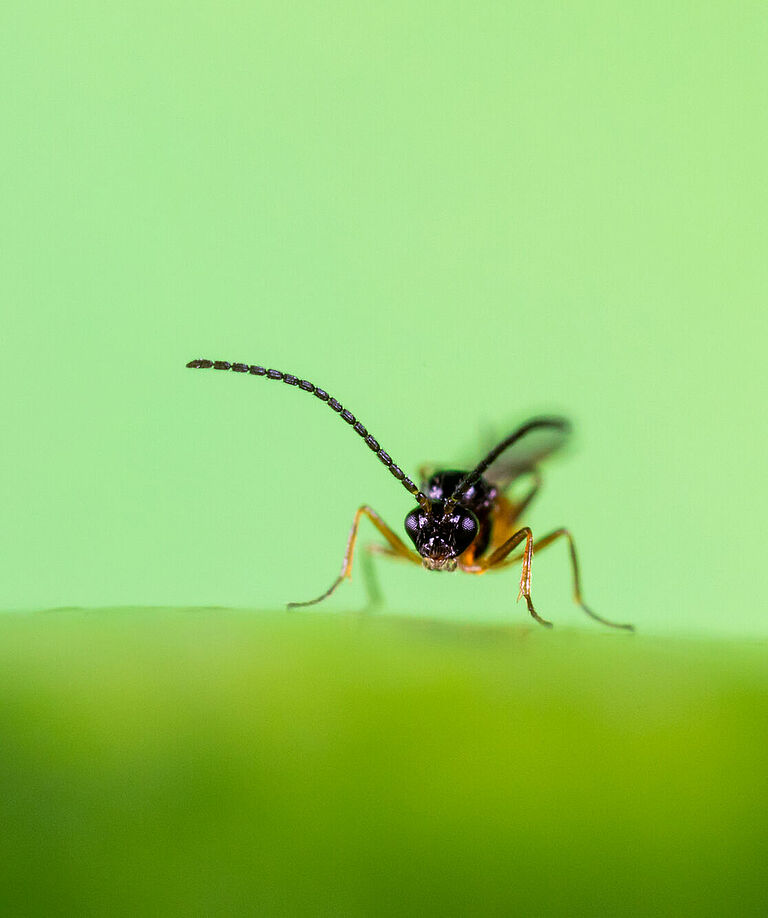
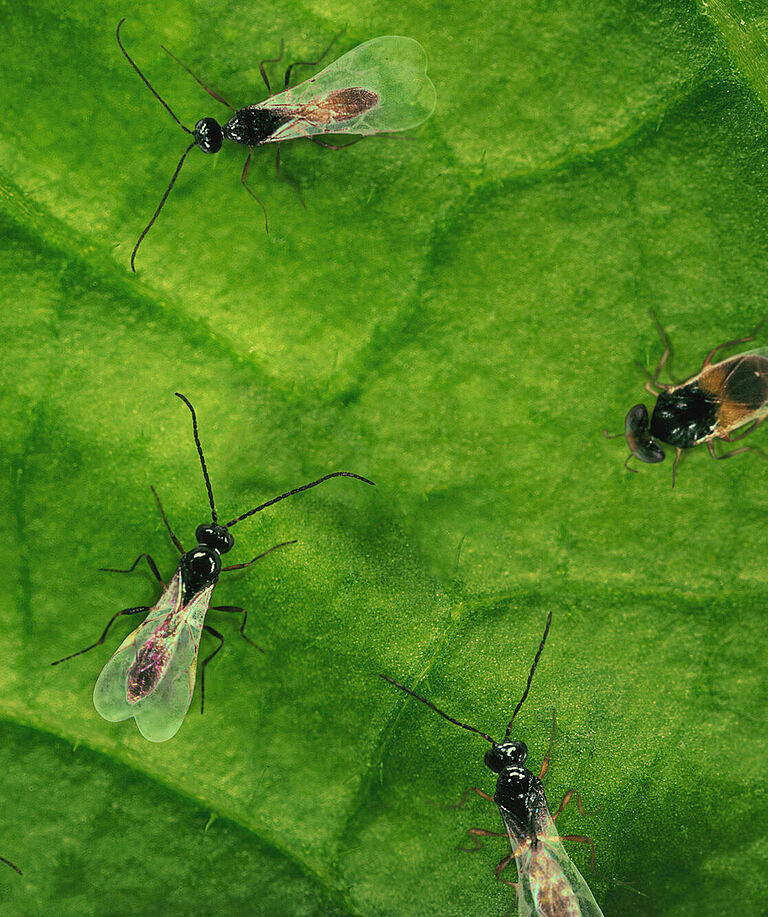
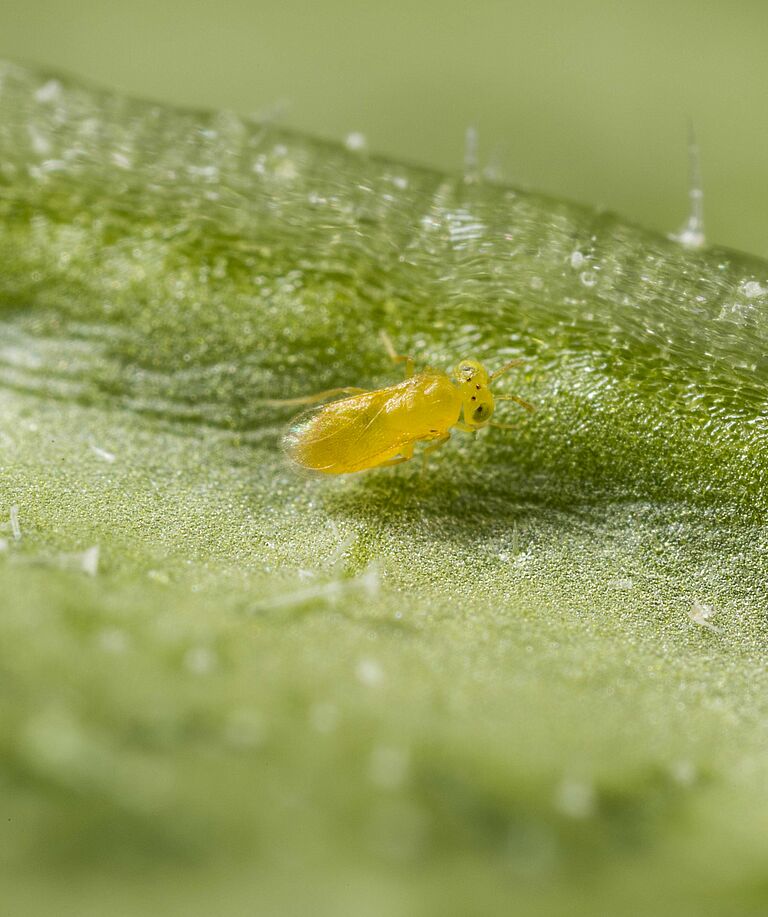
Parasitic wasps are small insects that play a crucial role in natural pest control. They are called "parasitic" because they lay their eggs inside or on harmful pest insects. These parasitic wasp larvae then develop inside the host insect, eventually killing it.
These wasps are highly specialized, with different species targeting specific pests. They are effective in reducing the population of harmful insects, making them valuable allies in horticulture and agriculture. Unlike chemical pesticides, parasitic wasps are natural and do not harm beneficial insects, animals, or the environment.
Parasitic wasps for pest control
Parasitic wasps target a variety of pests that are common concerns in commercial horticulture and agriculture. Here are some of the key pests controlled by parasitic wasps:
-
Parasitic wasps for aphids
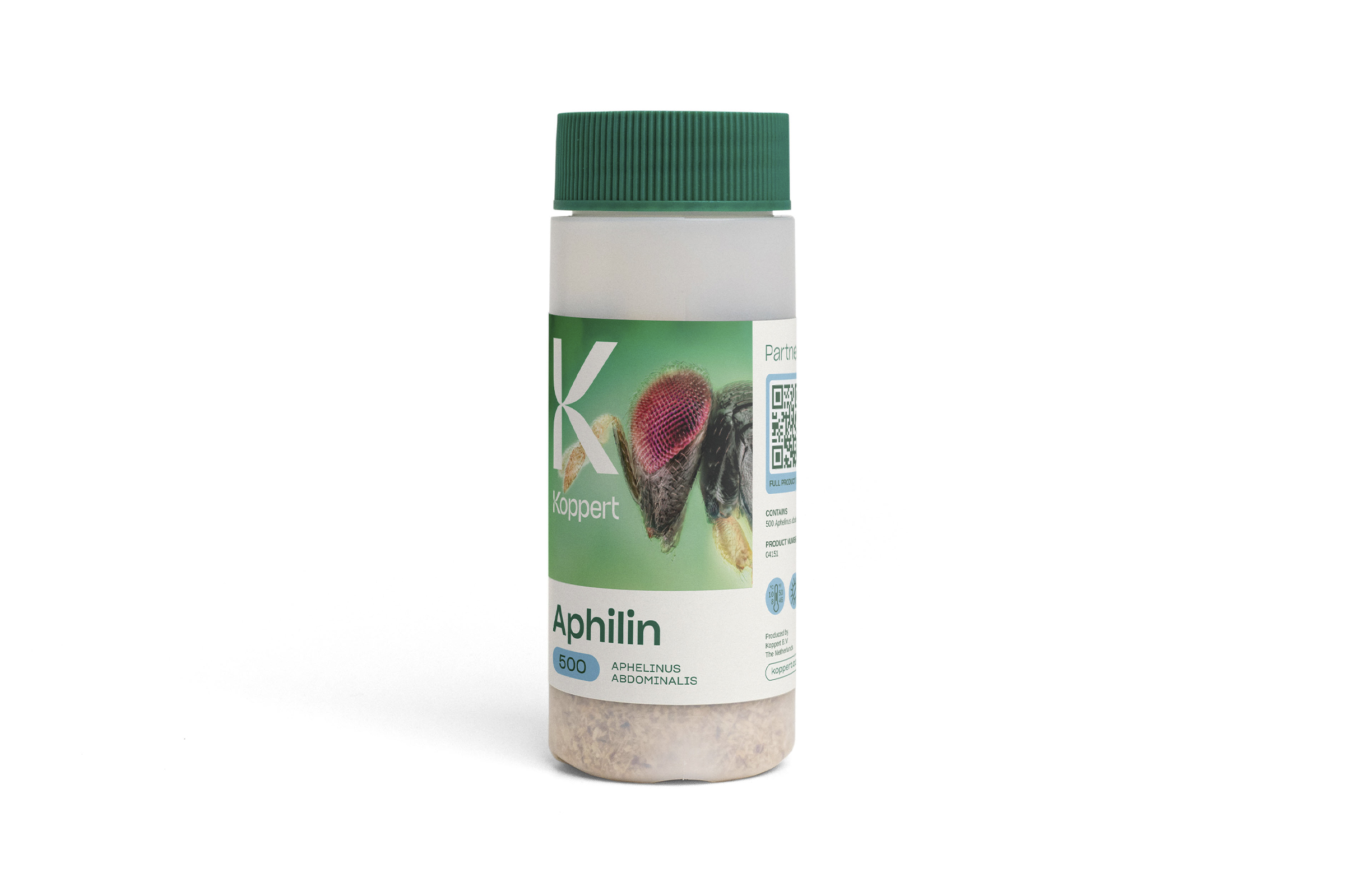
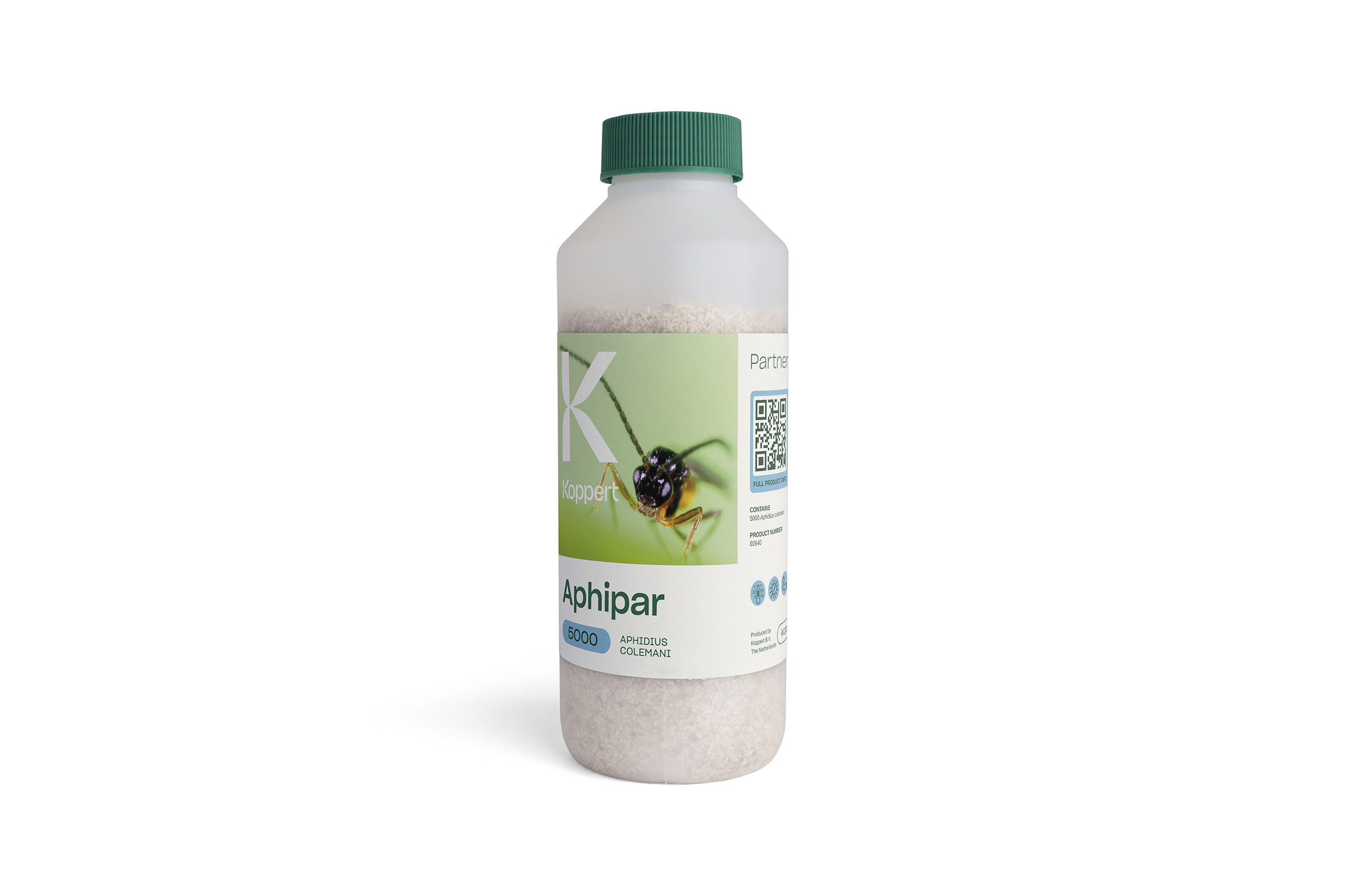
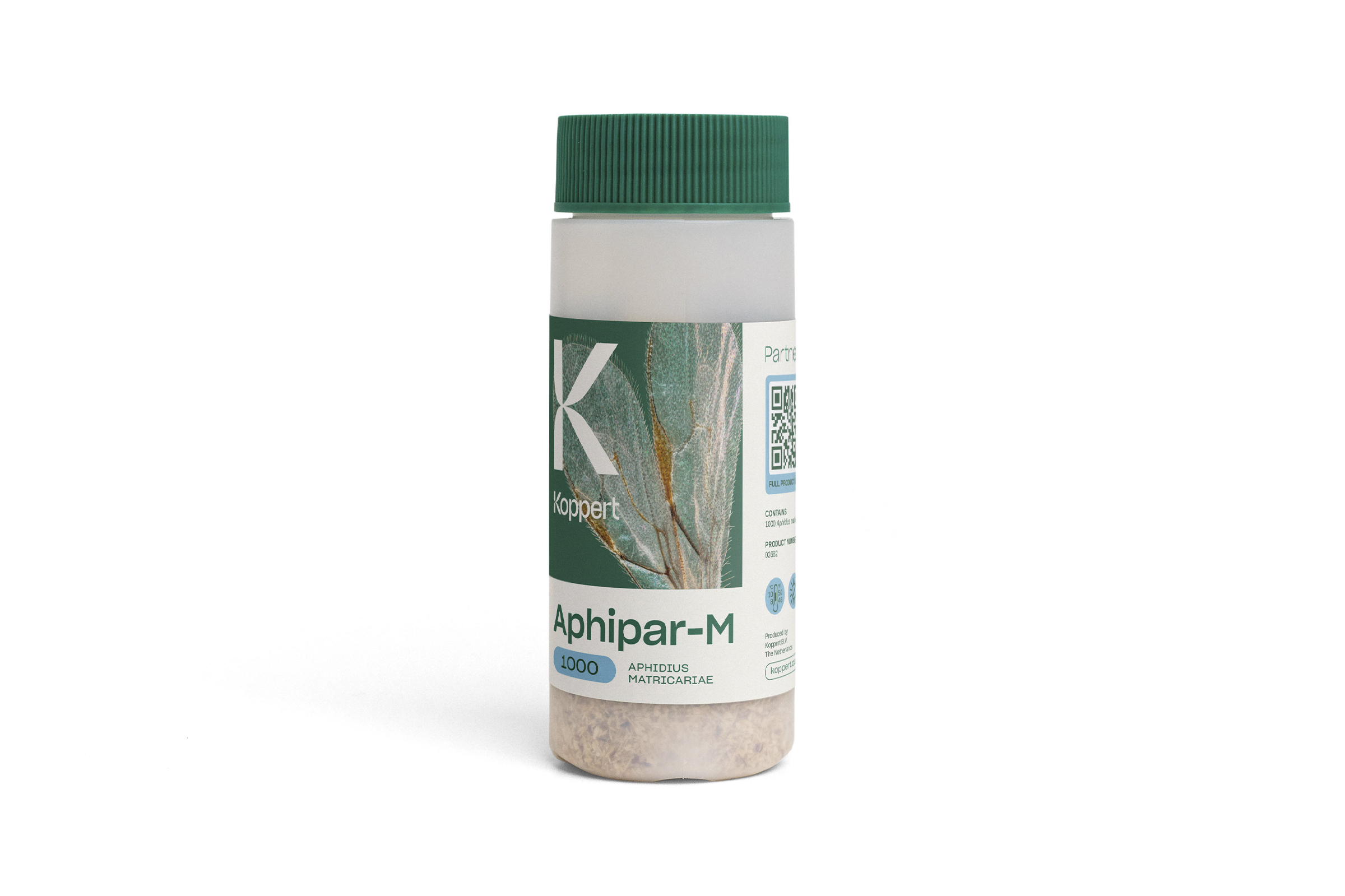
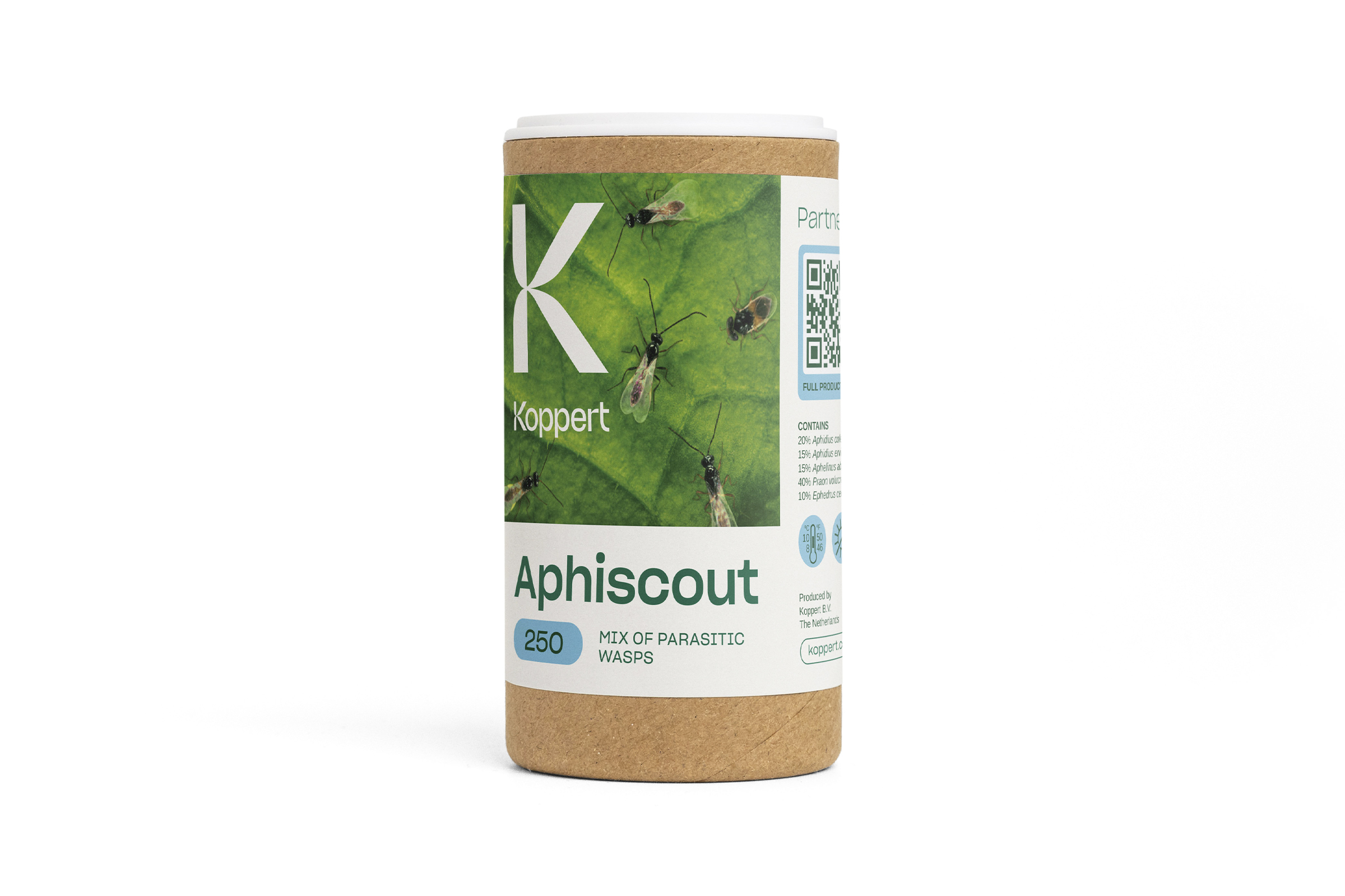
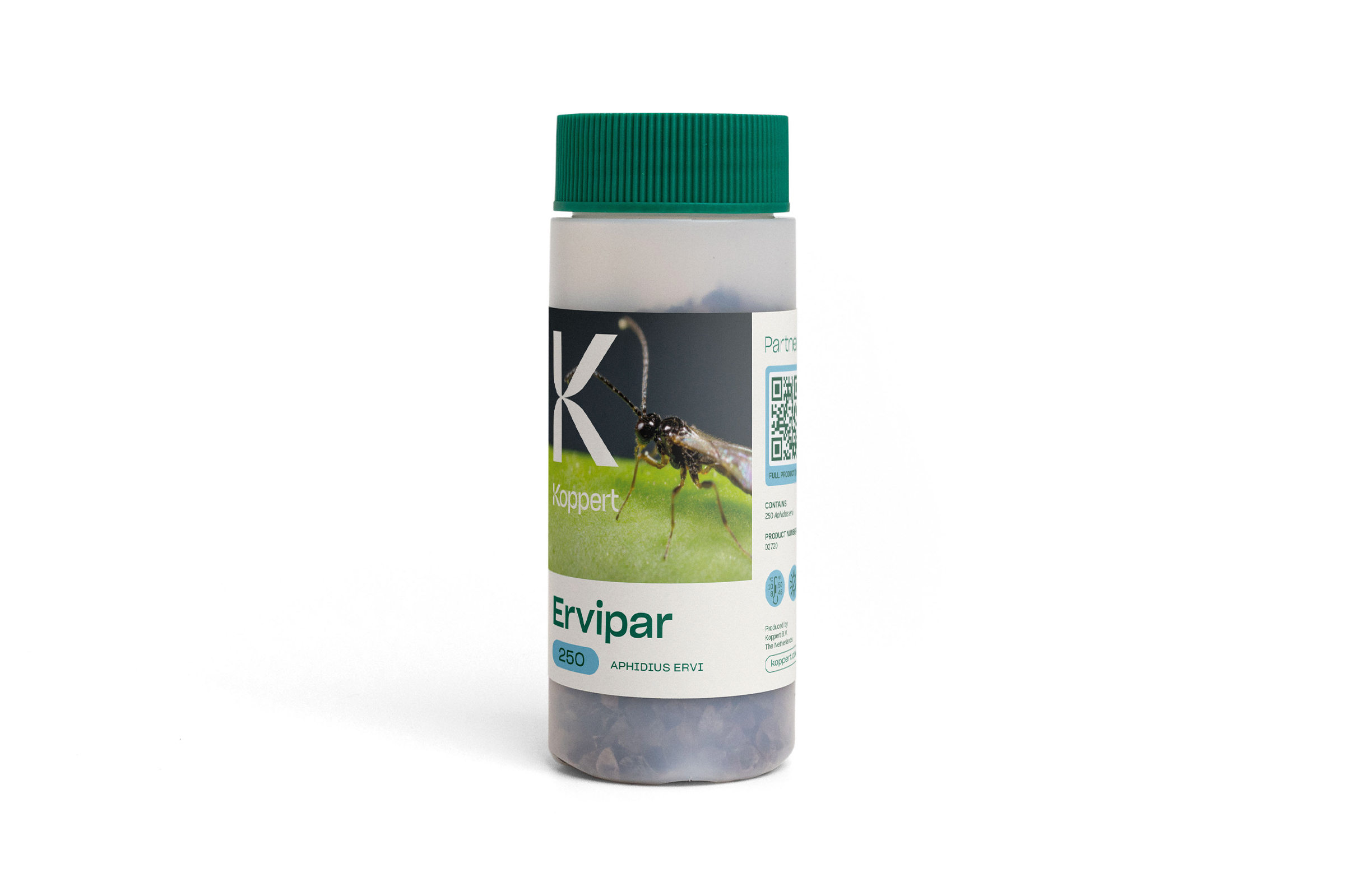
Aphids are notorious for infesting a wide range of crops and causing damage by sucking plant sap and transmitting plant viruses. Parasitic wasps, such as Aphelinus abdominalis (Aphilin), Aphidius colemani (Aphipar), Aphidius matricariae (Aphipar-M), Aphidius ervi (Ervipar) and Praon volucre, Ephedrus cerasicola (Aphiscout) are particularly effective in controlling aphid populations.
-
Parasitic wasps for whiteflies
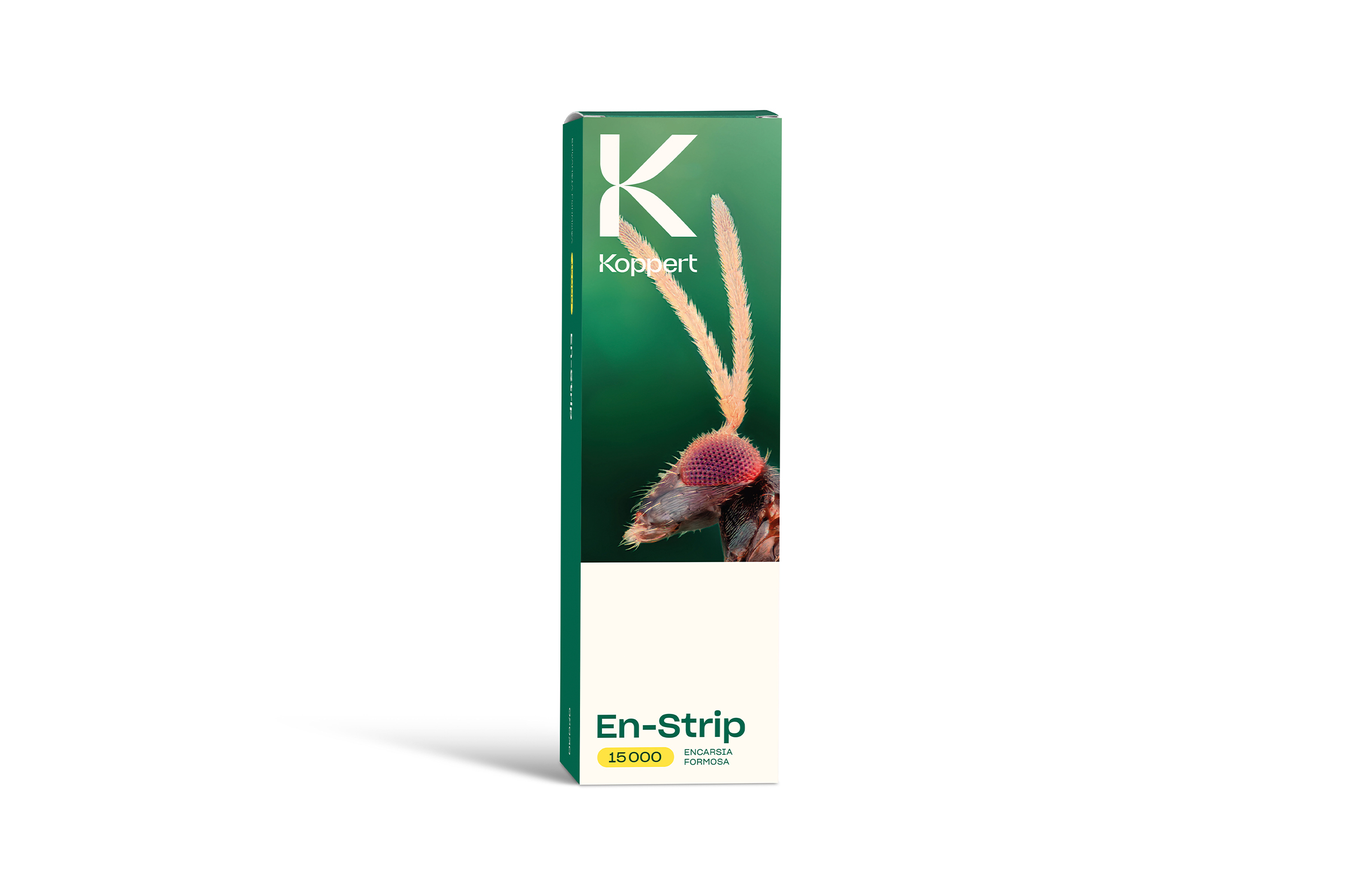
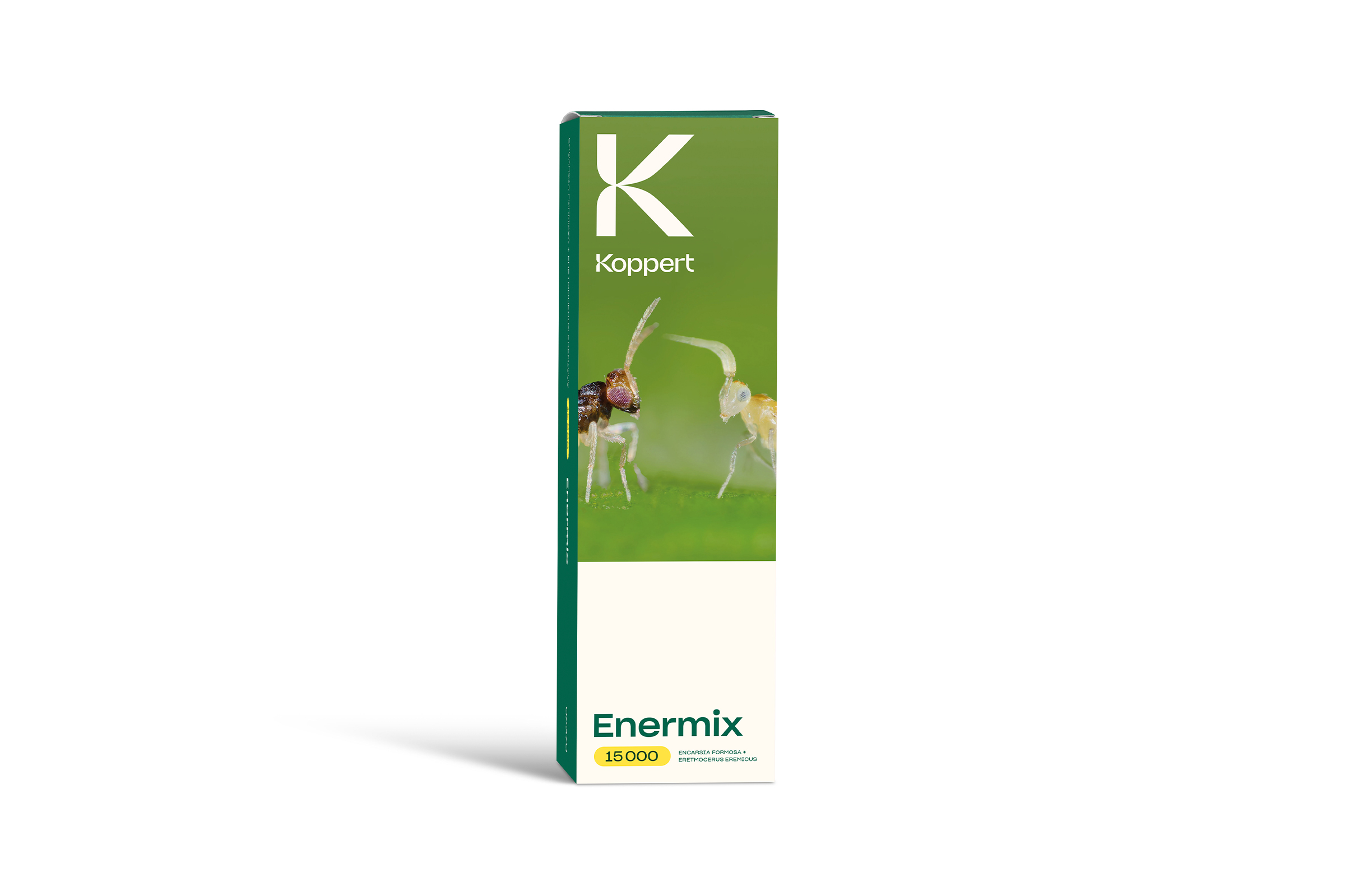
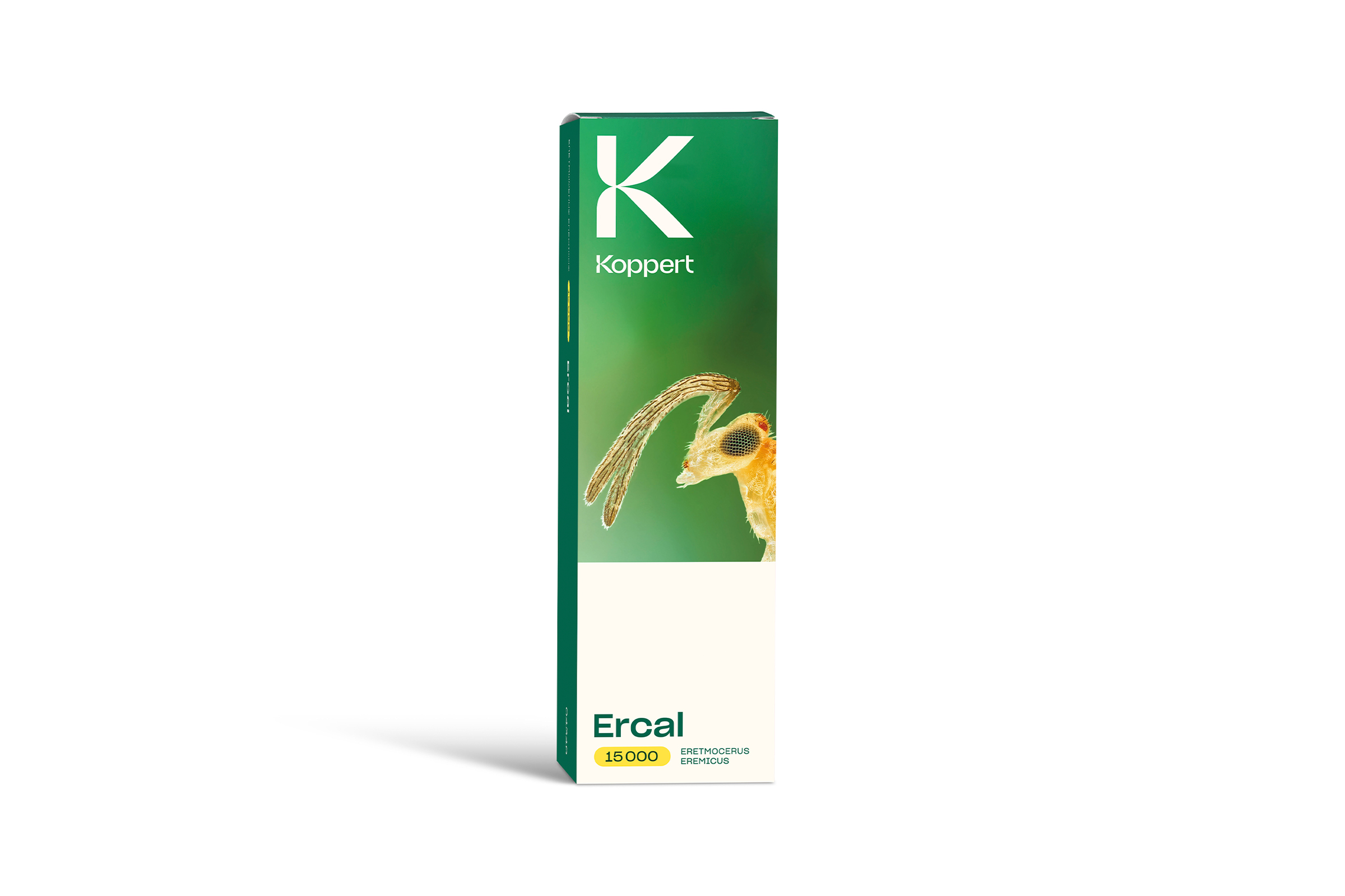
Whiteflies are common pests that feed on plant sap and transmit plant diseases. Encarsia formosa (En-Strip) and Eretmocerus eremicus (Ercal, Enermix) are parasitic wasps known for their efficacy in controlling whitefly populations.
-
Parasitic wasps for leaf miners
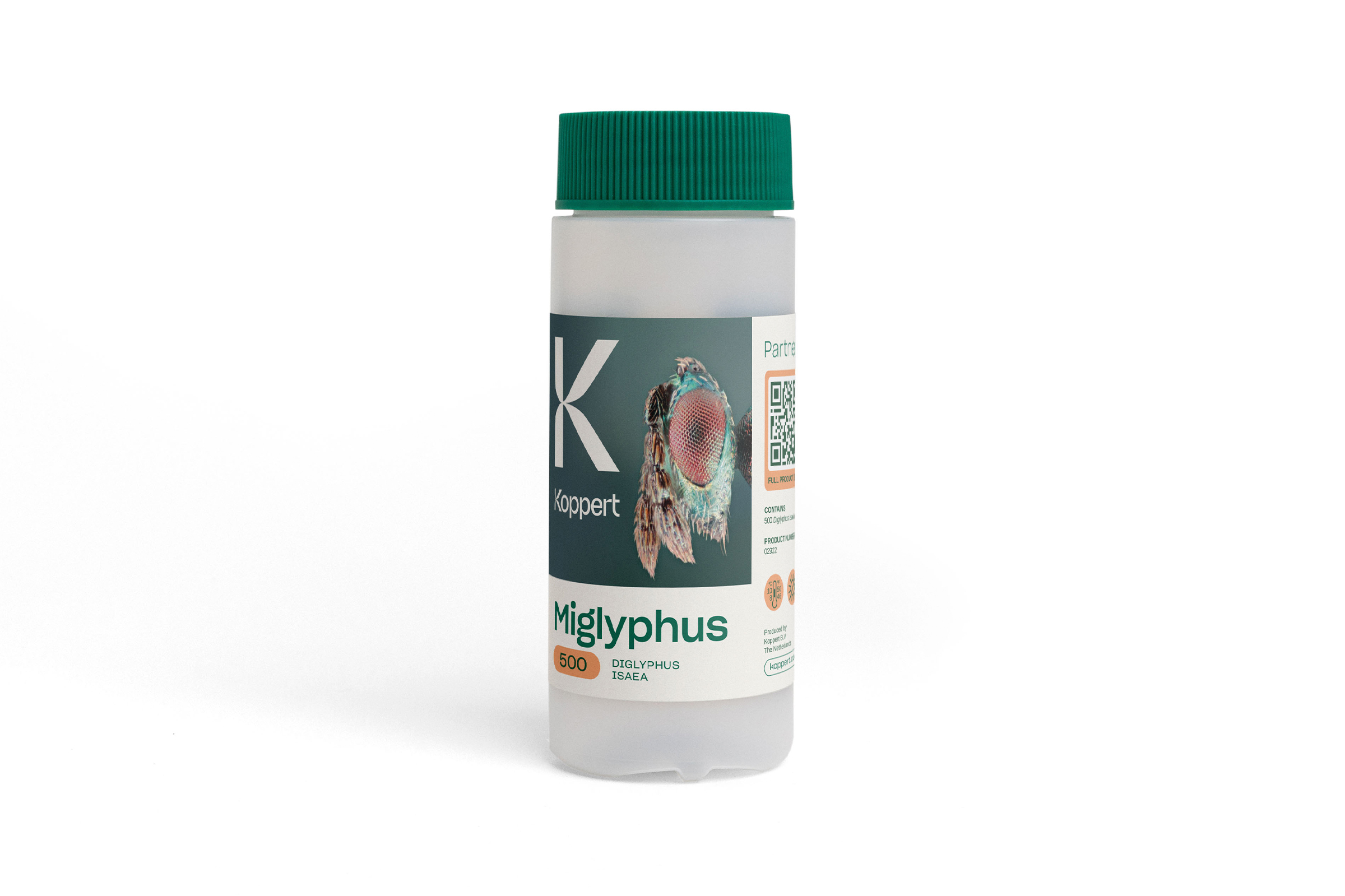
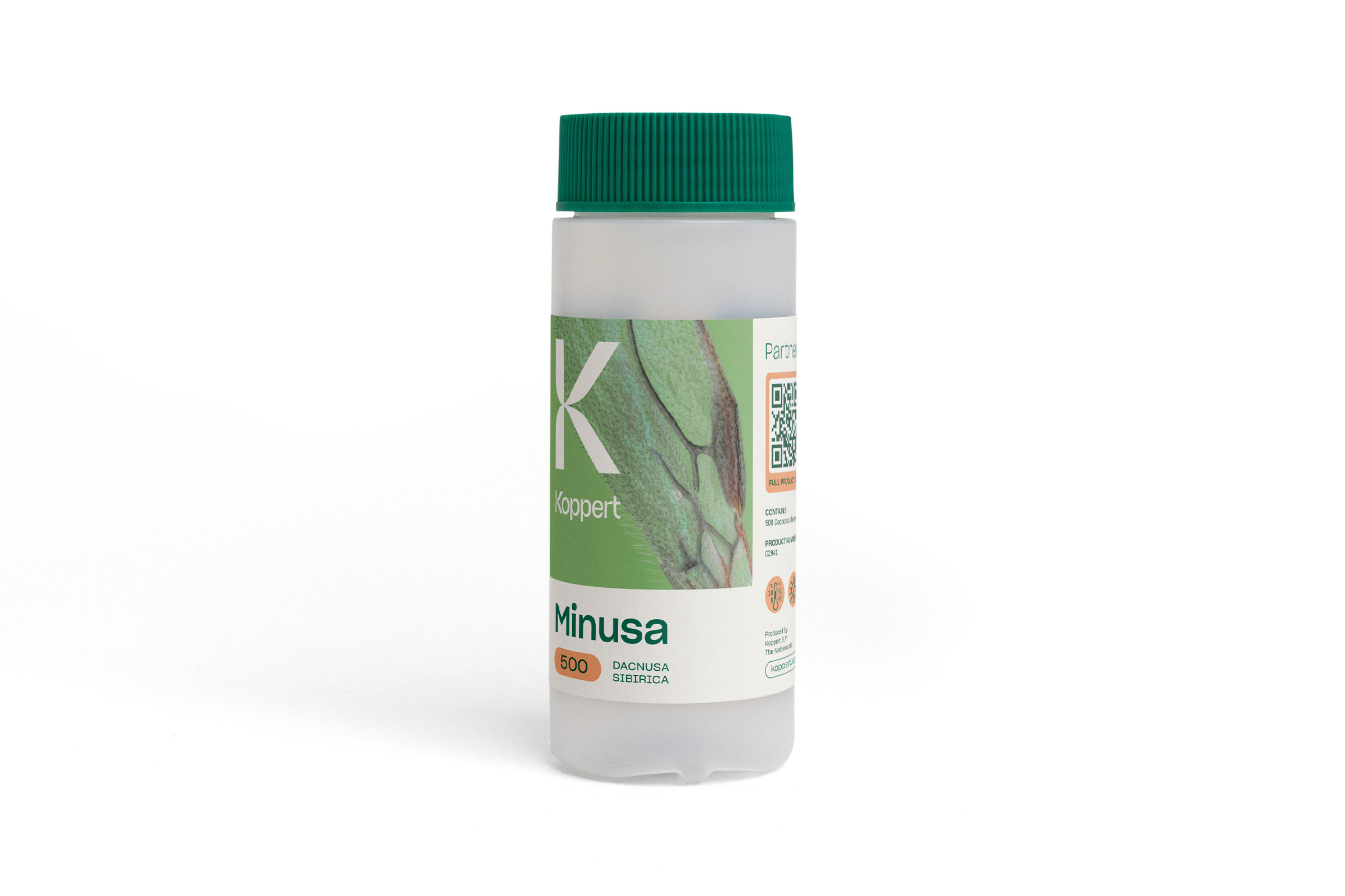
Leaf miners are pests that create tunnels within plant leaves, damaging the foliage. Some parasitic wasps, like Diglyphus isaea (Miglyphus) and Dacnusa sibirica (Minusa), target leaf miner larvae by laying their eggs inside the leaf miner's pupae.
-
Parasitic wasps for mealybugs and scales
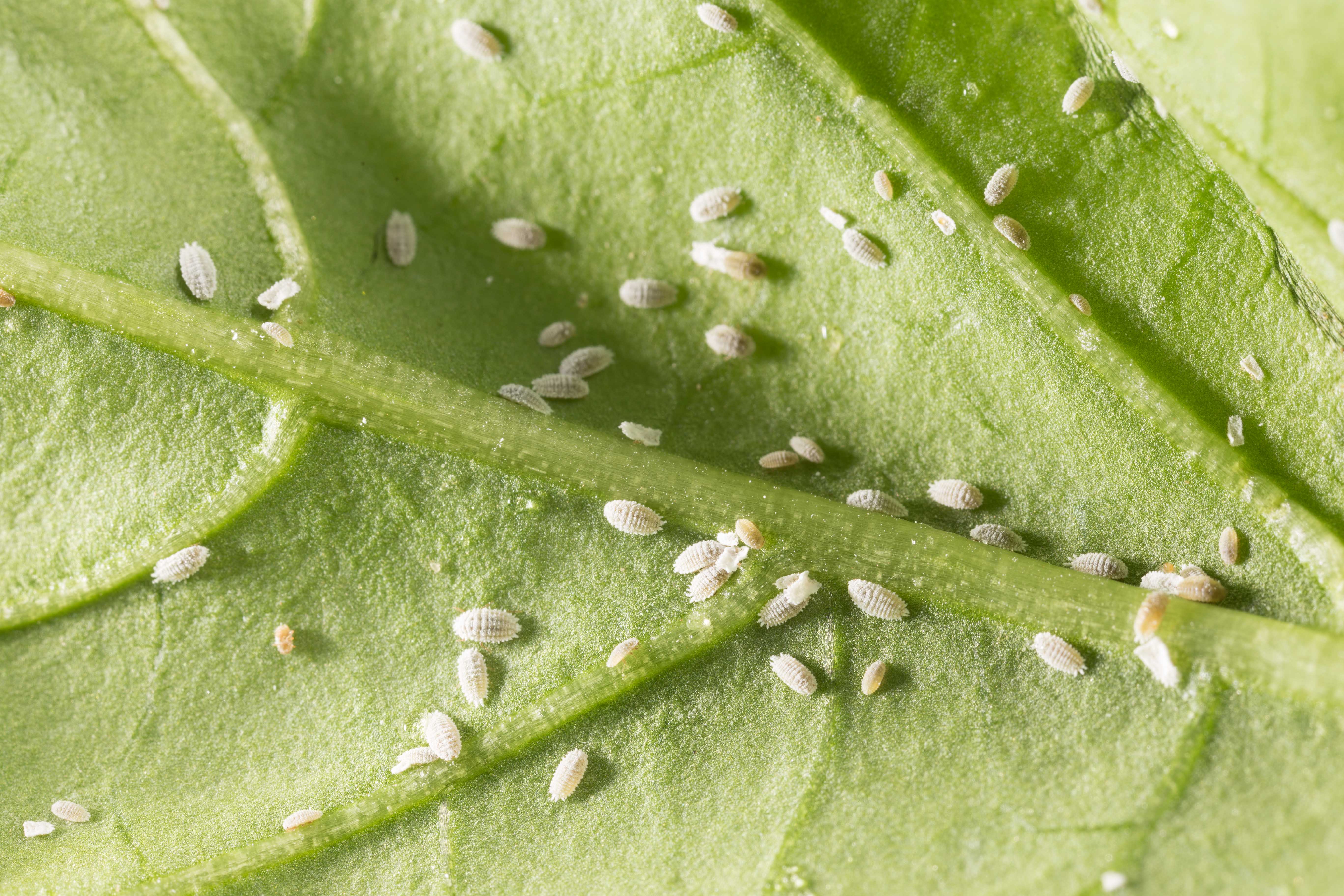
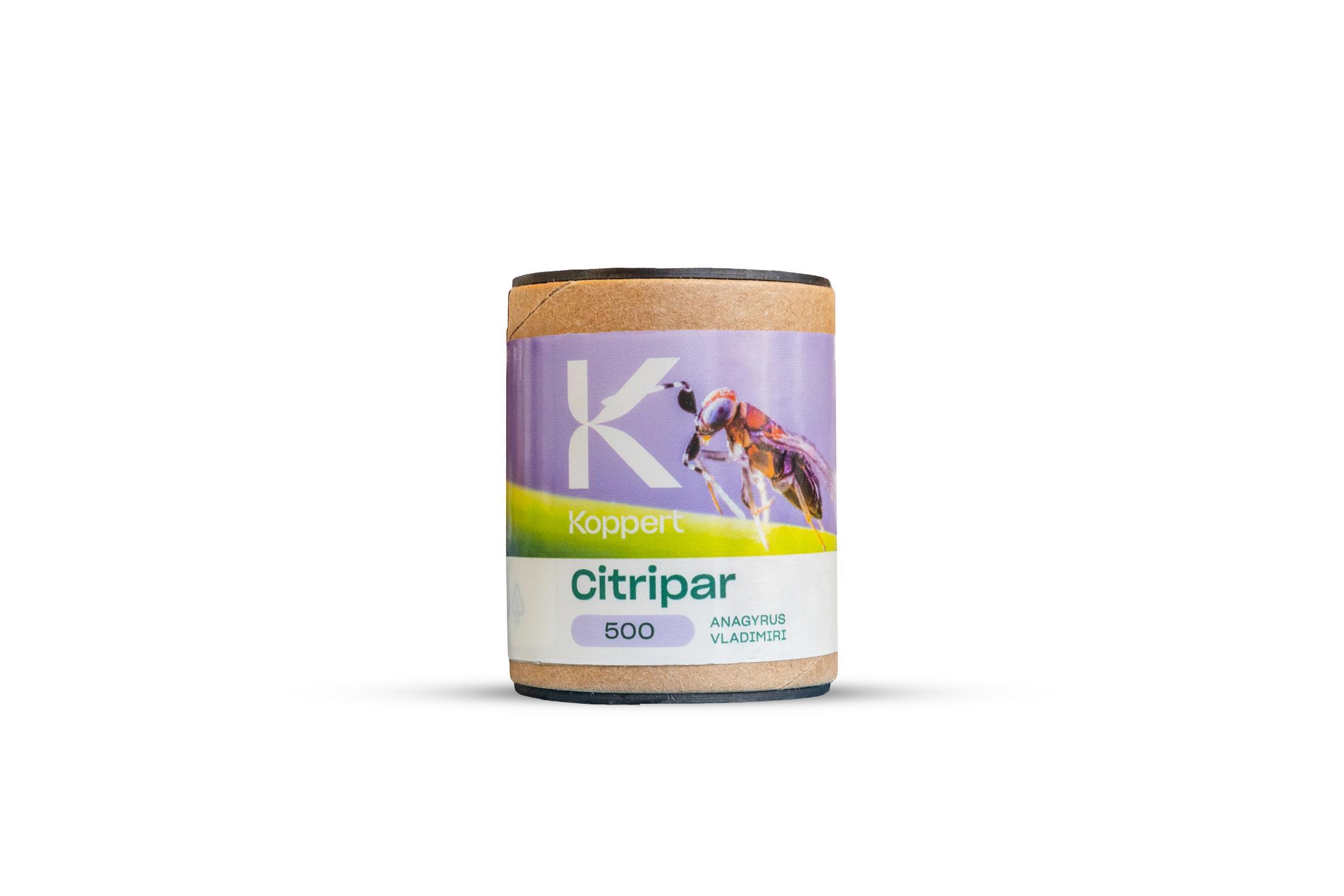
Mealybugs and scales are sap-feeding insects that can weaken and damage plants. Anagyrus vladimiri (Citripar) is a parasitic wasp species that preys on mealybugs.
-
Parasitic wasps for stink bugs
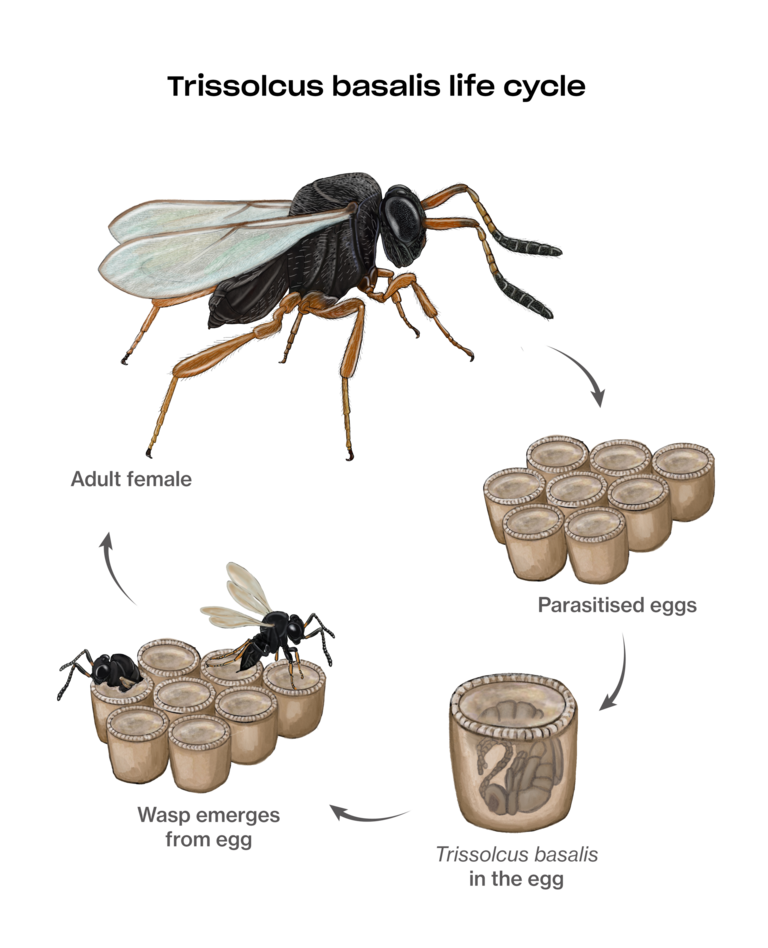
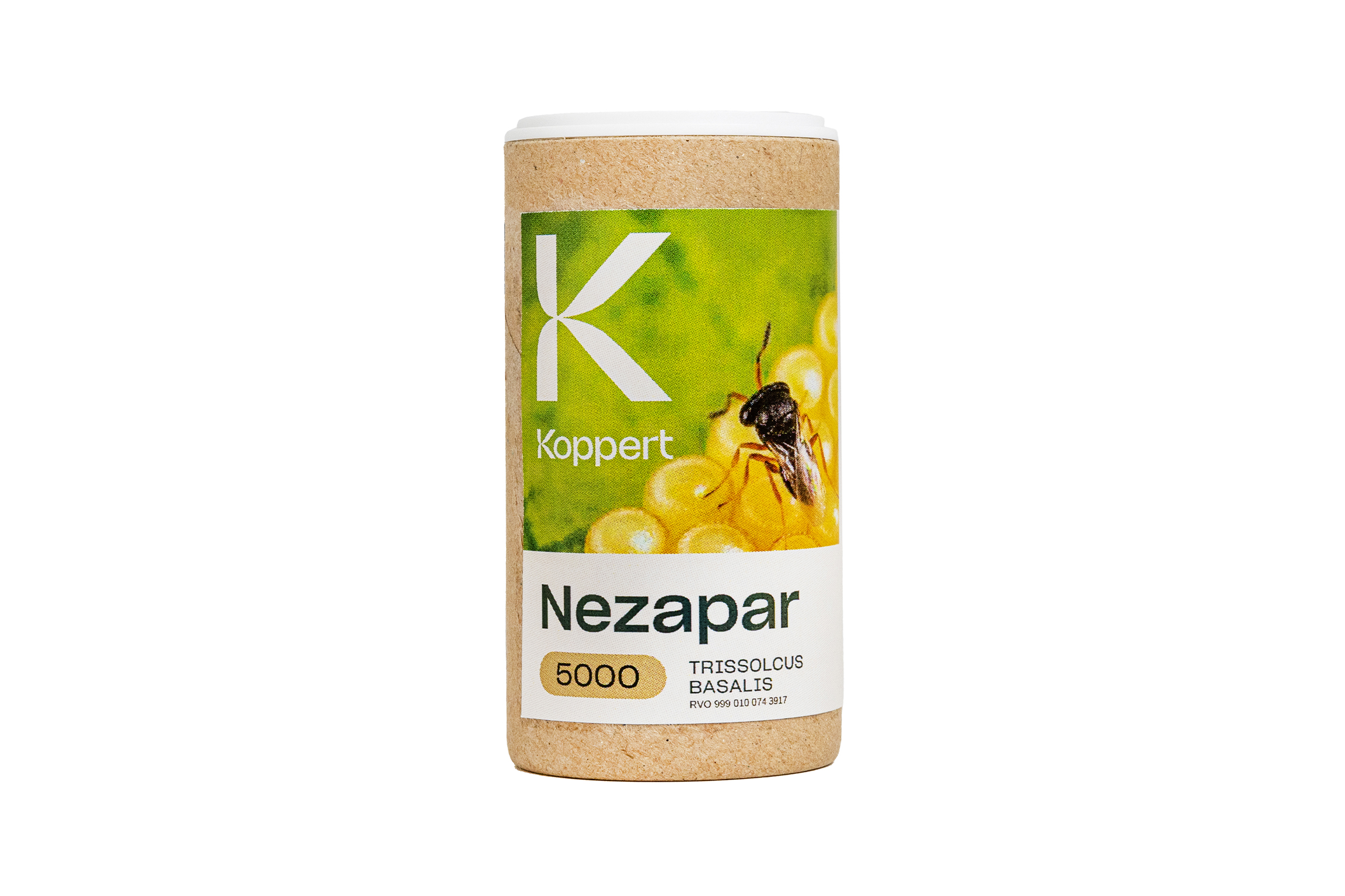
Parasitic wasps are proven to be effective in the control of stink bugs. Species like Trissolcus basalis (Nezapar) are used to control the southern green stink bug.
-
Parasitic wasps for caterpillars
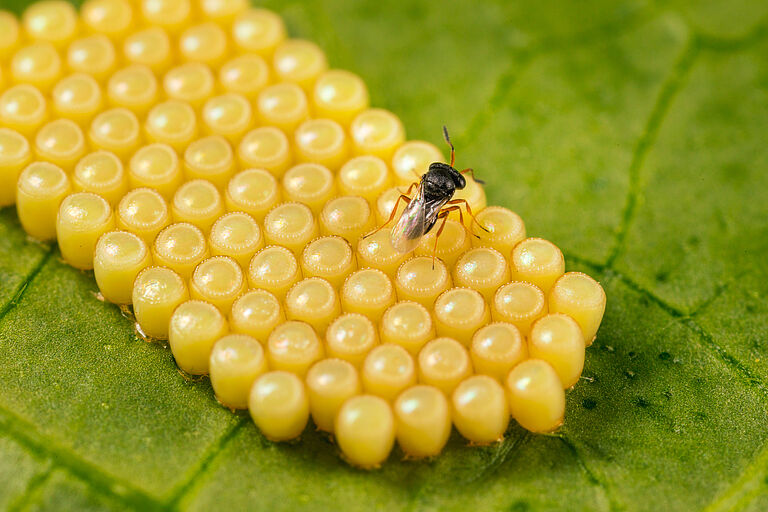
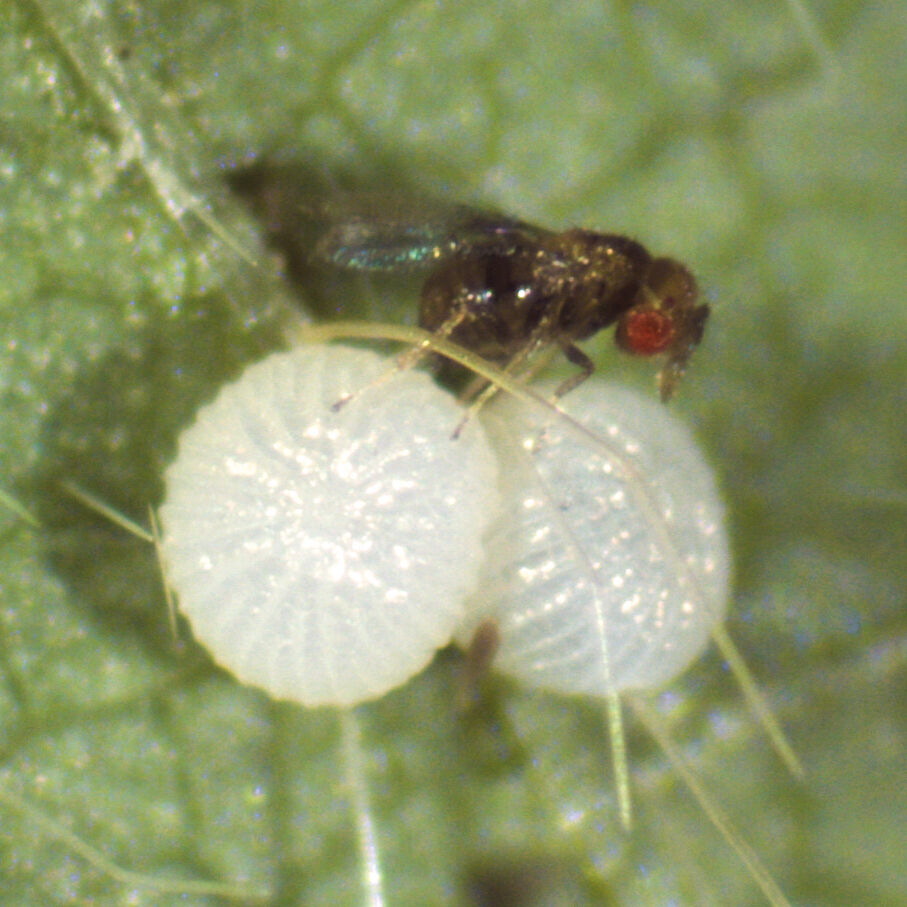
Caterpillars can devastate crops by feeding on leaves and fruits. Certain parasitic wasps, like Trichogramma species, lay their eggs in caterpillar eggs, preventing their development.
Benefits of parasitic wasps
Using parasitic wasps for pest control offers a range of benefits:
- Enhanced crop protection: Parasitic wasps are highly efficient at targeting specific pest insects. By introducing these beneficial insects, growers can significantly reduce the damage caused by pests, ensuring a higher yield and product quality.
- Environmental sustainability: Parasitic wasps provide a natural and environmentally responsible solution to pest management. This approach minimizes the environmental impact associated with chemical pesticides and promotes a more sustainable agricultural model.
- Cost-effective pest management: By incorporating parasitic wasps into integrated pest management (IPM) strategies, growers can reduce their reliance on costly chemical pesticides.
- Consistency and long-term effectiveness: Parasitic wasps, once established, offer consistent and long-term pest control. These beneficial insects persistently hunt down and parasitize pest species, providing ongoing protection for crops throughout the growing season.
- Biodiversity and ecosystem balance: The introduction of parasitic wasps into commercial growing environments can promote biodiversity, as the use of harmful chemicals decreases. This, in turn, creates a more balanced ecosystem in the crop, which can enhance overall crop health and resilience. A diverse ecosystem often means fewer imbalances and outbreaks of specific pest species.
How do parasitic wasps control pests?
Parasitic wasps employ two primary methods to control pests: parasitization and host feeding.
Parasitization
Parasitization is the primary means by which parasitic wasps control pests in agriculture. This process involves the parasitic wasp laying its eggs inside or on a host pest. Here's how it works:
- Egg laying: A female parasitic wasp seeks out a suitable host pest. The choice of host depends on the specific species of parasitic wasp, as they often exhibit host specificity. The female parasitic wasp carefully inserts its eggs either inside the host's body or attaches them to the host's exterior.
- Larval development: When the parasitic wasp eggs hatch, the newly emerged larvae begin to feed on the host pest. They consume the host from the inside, which ultimately leads to the death of the host.
- Pupal stage: After the larvae have consumed the host, they pupate, forming a cocoon or pupal stage within or on the host's body.
- Emergence: Once the parasitic wasp reaches maturity, it emerges from the host's body or the cocoon. The host pest is typically killed in the process.
Host feeding
In addition to parasitization, some parasitic wasps also engage in host feeding. This behavior involves the adult wasps feeding on the host’s body fluids, which can be important for their reproduction. It's important to note that not all species of parasitic wasps engage in host feeding, and the primary method of pest control remains parasitization.
Parasitic wasp products
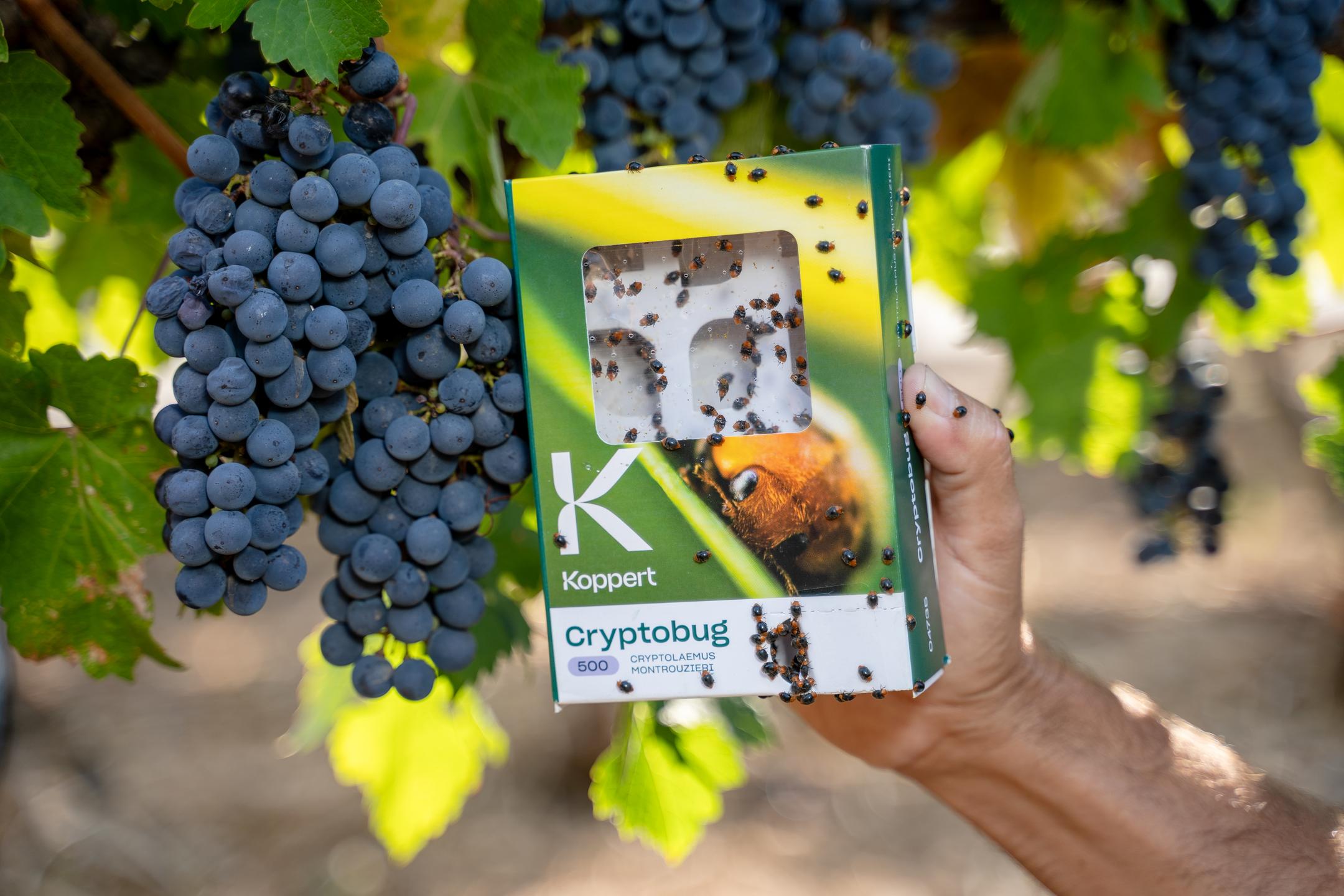
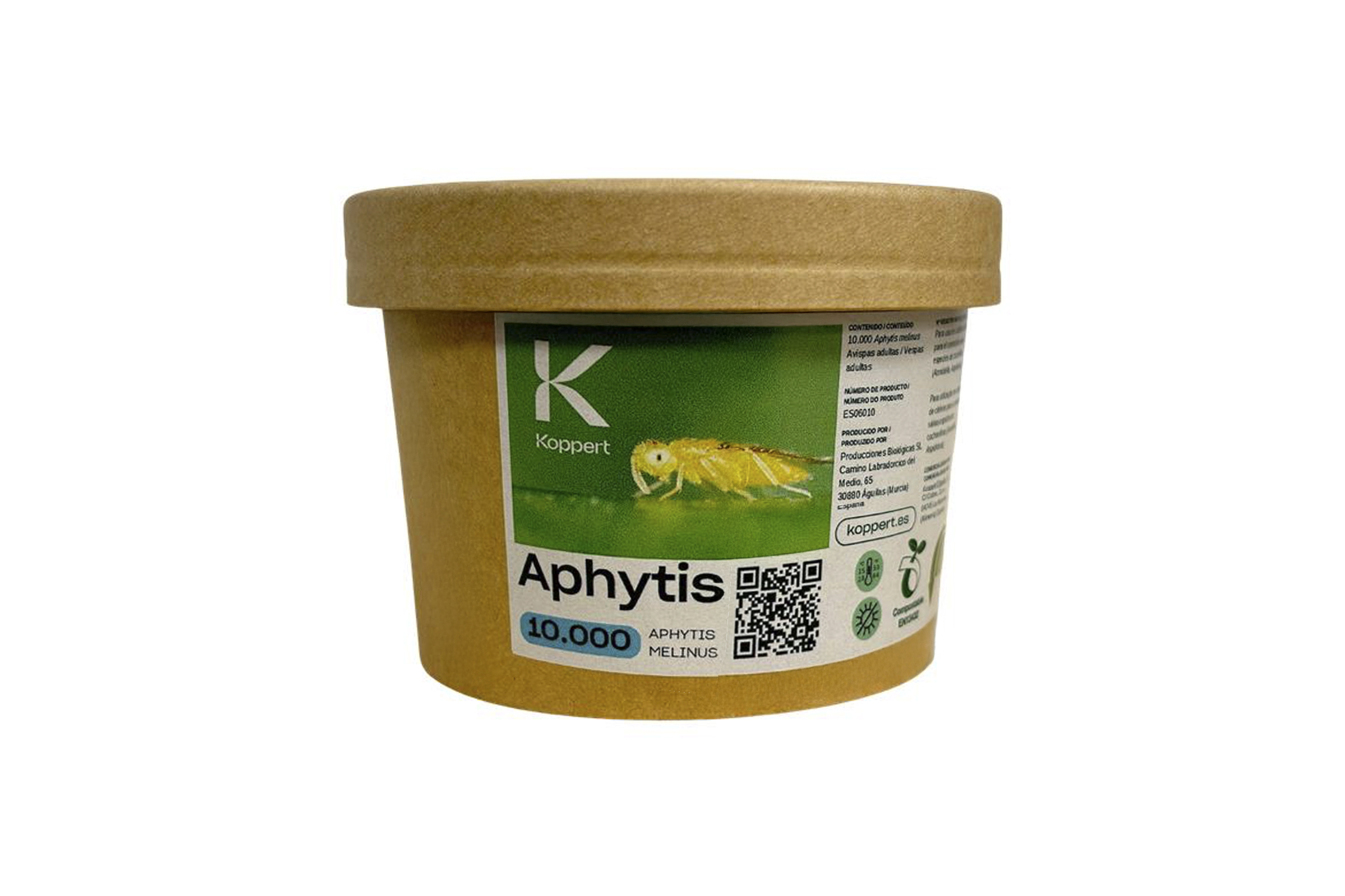
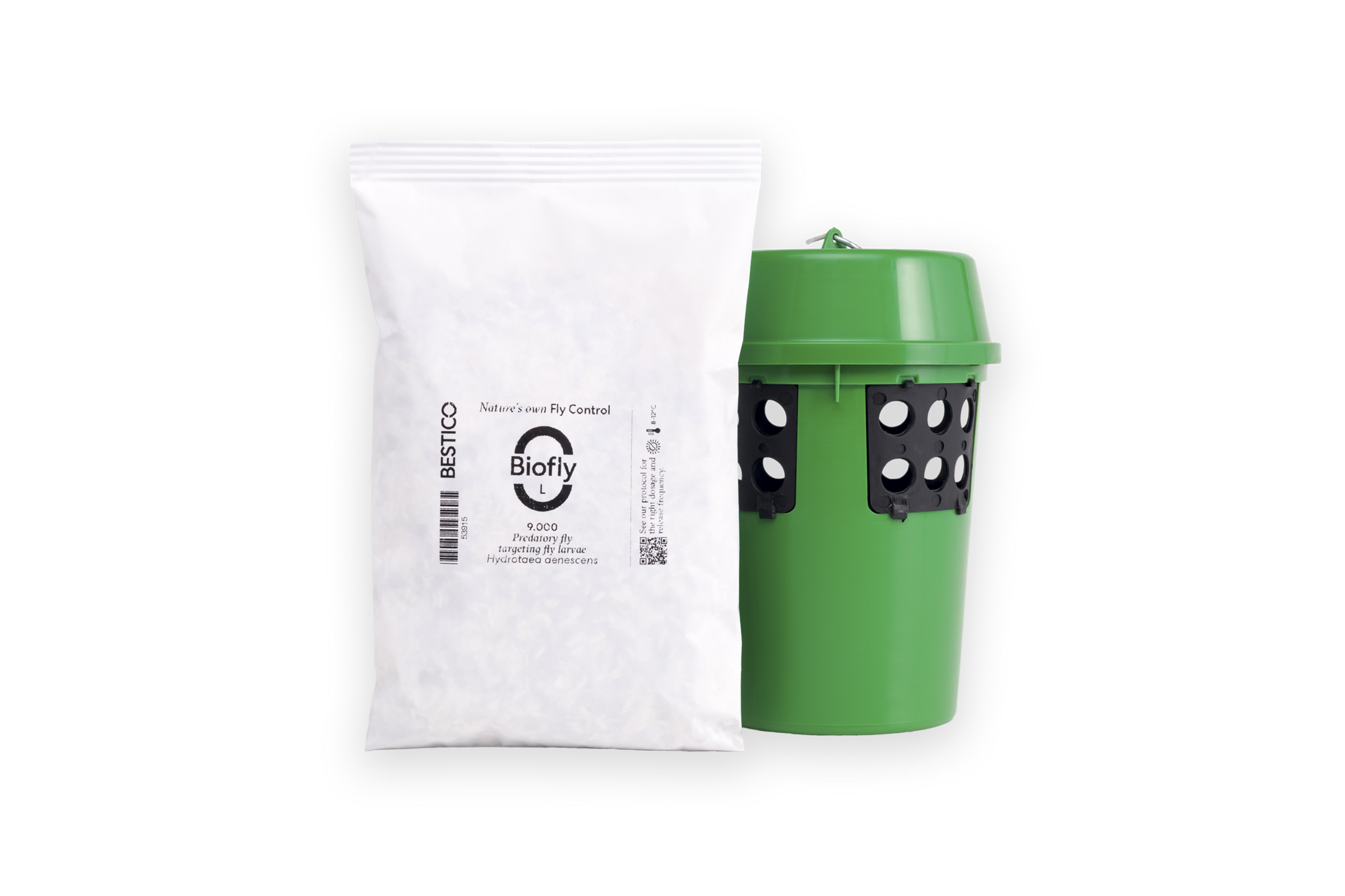
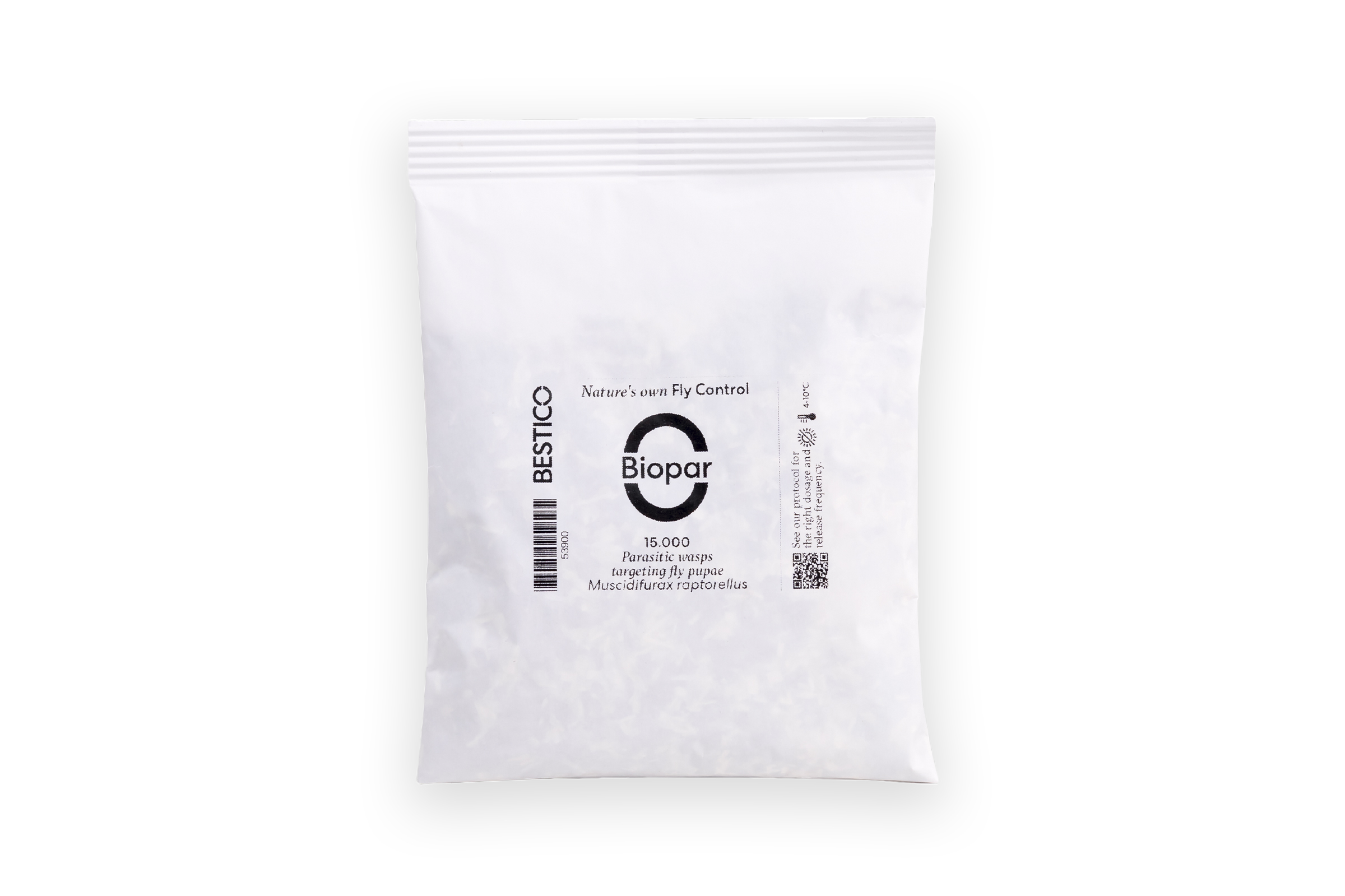
With over five decades of experience and expertise, Koppert is a trusted source for growers seeking effective and reliable biological control solutions. Koppert offers various parasitic wasp solutions for the control of aphids, whiteflies, leaf miners, mealybugs, stink bugs and caterpillars.
Success stories






Frequently Asked Questions
-
What are parasitic wasps, and how do they benefit agriculture?
Parasitic wasps are small insects that play a vital role in natural pest control. They benefit agriculture by targeting and parasitizing specific pest insects, effectively reducing pest populations and minimizing the need for chemical pesticides.
-
Are parasitic wasps harmful to crops or other beneficial insects?
No, parasitic wasps are not harmful to crops or beneficial insects. They are highly selective in their choice of host pests, ensuring that they primarily target harmful insects. This makes them a valuable addition to integrated pest management (IPM) strategies.
-
What types of pests do parasitic wasps commonly control in agriculture?
Parasitic wasps are known to control a variety of pests, including aphids, caterpillars, whitefly, mealybugs and scales, stink bugs and leaf miners. The specific pests they target may vary depending on the species of parasitic wasp.
-
Can parasitic wasps work in all types of crop environments and climates?
Parasitic wasps can be effective in various agricultural environments and climates. However, it's essential to select the appropriate species of parasitic wasps for your specific region and crop type.
-
Are there any precautions I should take when introducing parasitic wasps to my crop?
It's advisable to seek guidance from experts when introducing parasitic wasps to ensure the right species are used and that the timing and release methods are appropriate for your specific pest issues.