3 reasons to use Natupol Sprint
- Intensive pollination at the start of introduction
- Immediate pollination results
- Best solution for temperatures above 30°C
The best pollination solution for hot climate conditions
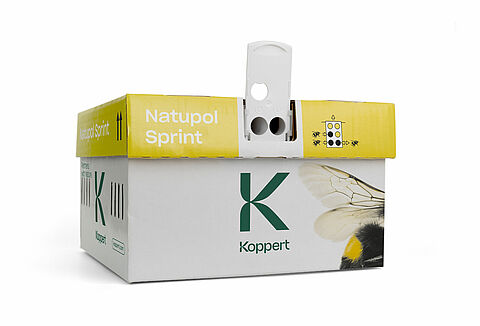
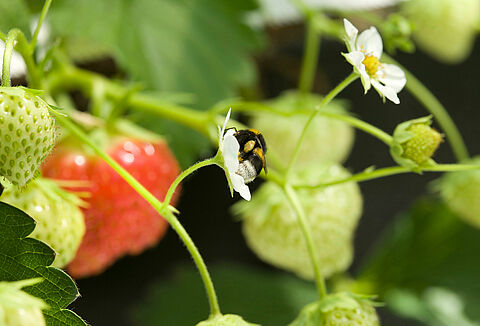
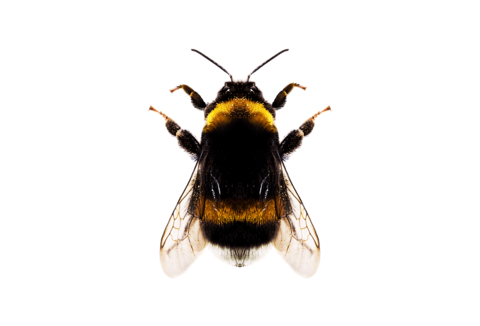
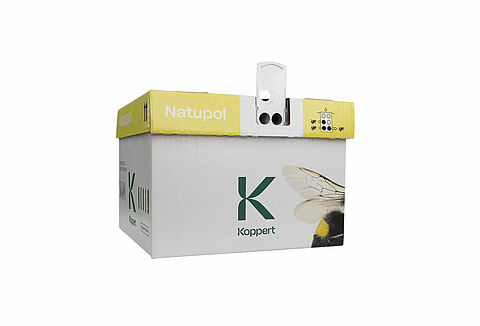
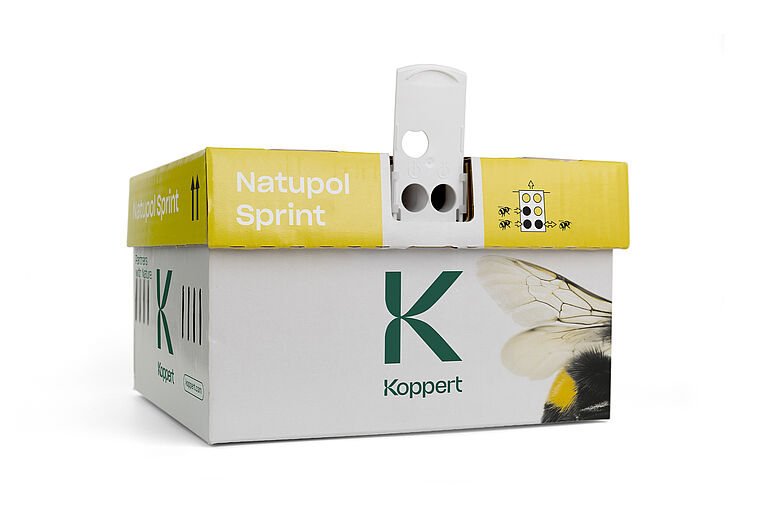
Natupol Sprint has been specifically developed to offer a very intense and effective pollination during unpredictable heatwaves or during the hottest days of the summer season especially in the Mediterranean region. The hive is best suited for key crops such as round, beef and plum tomatoes and other vegetable and fruit crops. Natupol Sprint bumblebees are housed in a small hive and eager to pollinate your crop immediately after introduction. The hive contains a large bumblebee brood, approx. 100 workers (and other adults), and sugar water to supply their energy.
Points of attention when using Natupol Sprint
Natupol Sprint hives should not be stored for any period of time. We recommend immediate use after the receipt from the producer. To guarantee the best pollination results, start using the hive on the day of arrival. Keep hives in a well ventilated environment, out of reach of direct sunlight. The lifespan of the hive is up to 4 weeks, depending on external conditions. For further pollination switch to another Natupol Sprint, Natupol or Natupol Excel.
Best practice advise to keep bumblebees cool in summer
Bumblebees need to keep cool in hot summer conditions to be able to function optimally and carry out their valuable pollination work. The effects of the environmental temperature and sun radiation on the internal hive temperature can be great. We advise growers to protect the hive against direct sunlight and to place it in a cool spot. There are various methods available for growers to do so.
Solving pollination challenges in hot climate
We understand the challenges that growers face in different climates, therefore continuously searching for innovative solutions to solve current horticultural and agricultural problems. We know that high temperatures not only affect plants but pollination as well. Our research shows that at temperatures of more than 30°C, pollination declines; and that when temperatures reach above 32°C, there are severe implications for both yield and quality.
Many aspects need to be considered for good pollination. Pollinating insects, the strength of plants, and environmental conditions all play an important role. It is crucial to recognize the direct and longer-term impact of hot climate conditions affecting both the plants/flowers and pollinating insects such as bumblebees.
Download the white paper to learn about the impact of climate (temperature, radiation, humidity) on plants, pollination and bumblebees. Moreover, read a summary of actions to protect both plants and pollinators in high temperatures.
Hive location makes a difference
We advise growers to protect the hive against direct sunlight and to place it in a cool spot. For extreme ambient temperatures, the best practice is to help the colonies to keep cool during the hottest times of the day and allow them to pollinate in the early morning and evening. As long as the flowers are open and receptive, pollination can take place during these times of the day.
Plant pollinator interactions in hot climate
Growing in warm climates brings set of problems for growers that can affect yield and quality. It is important to understand the implications of hot climate conditions on both pollinators and plants, as well as their intricate interactions. Download our White Paper on this subject which delves into the effects of high temperatures on pollination, providing valuable insights into the relationship between plant behavior and pollinator activity.