Skip to content

General

Ascochyta pisi is a fungal plant pathogen that causes Ascochyta blight on pea (leaf blight or pea blight) and lesions of stems, leaves, and pods (pea leaf spot and pea pod spot).

Biological solutions for Pea blight, leaf and pod spot

Filters:
Clear all filters
Show all Show less
products found:

Questions or need help?

Find a reseller
  • Easy to use
  • Minimal resistance
  • No chemical residues
  • No pre-harvest intervals

Learn more about

Damage symptoms

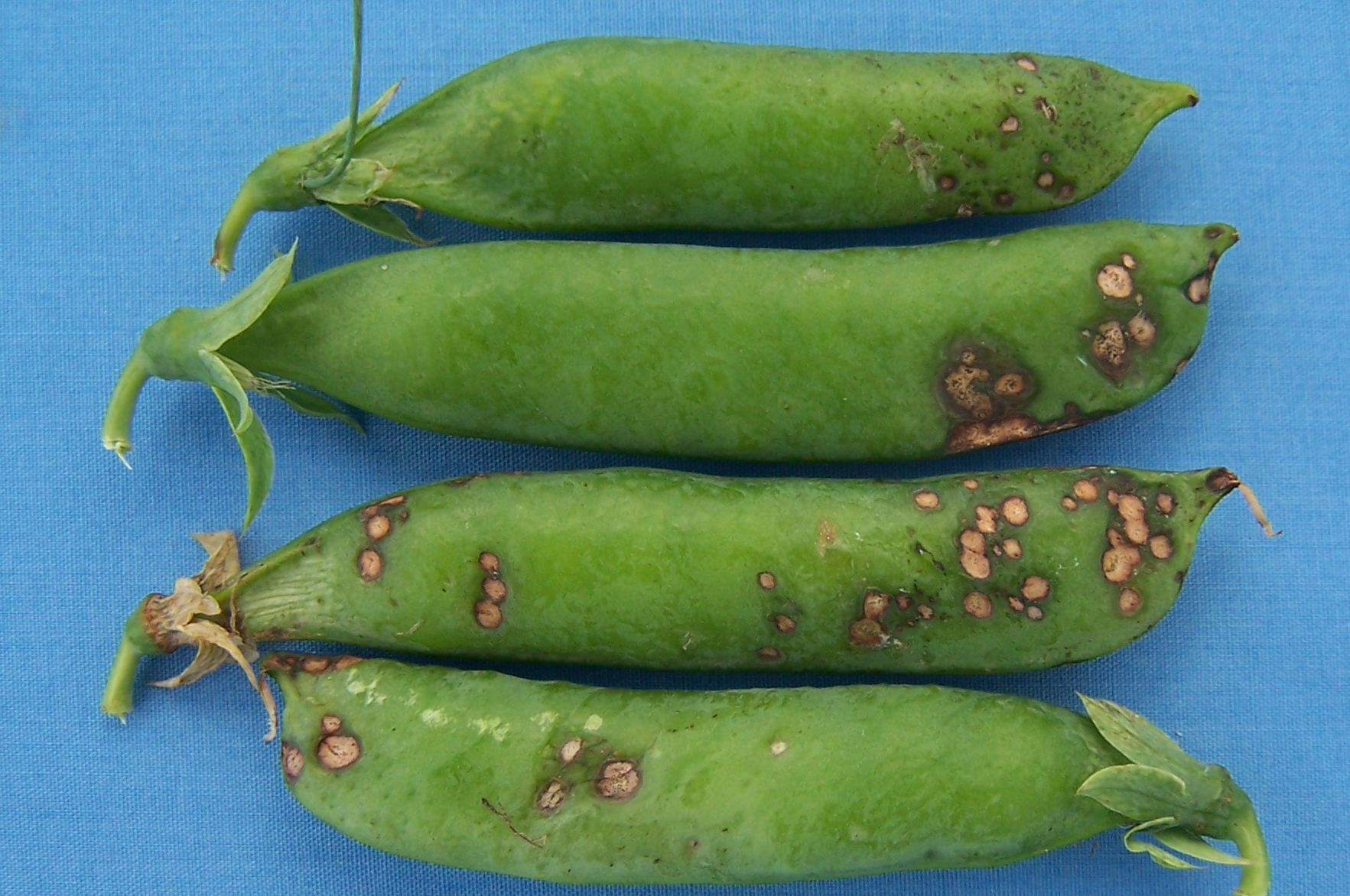
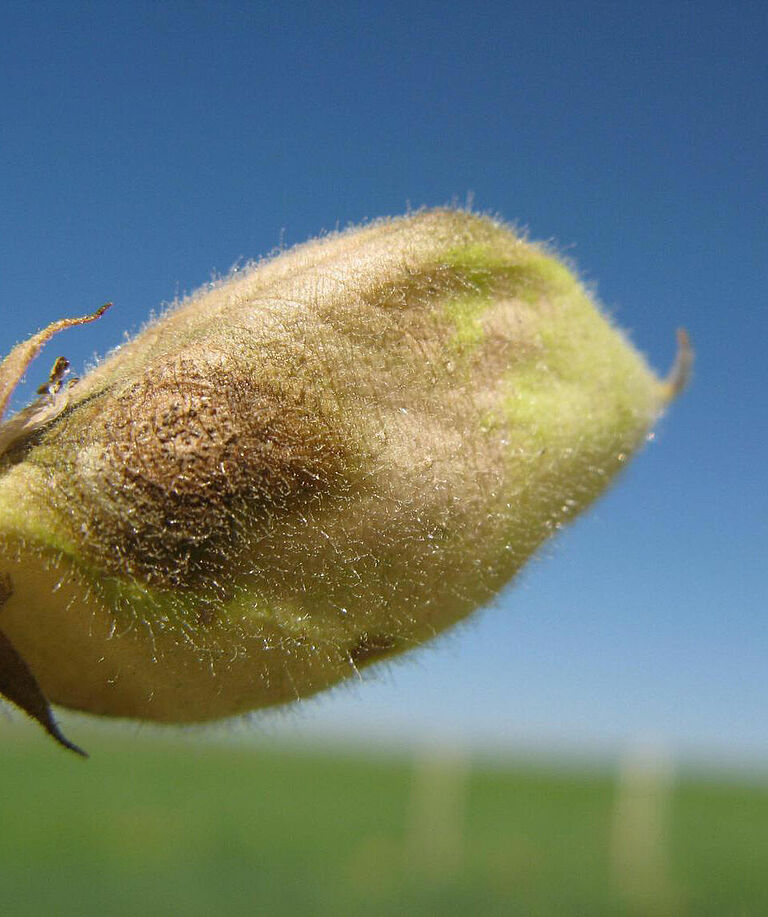
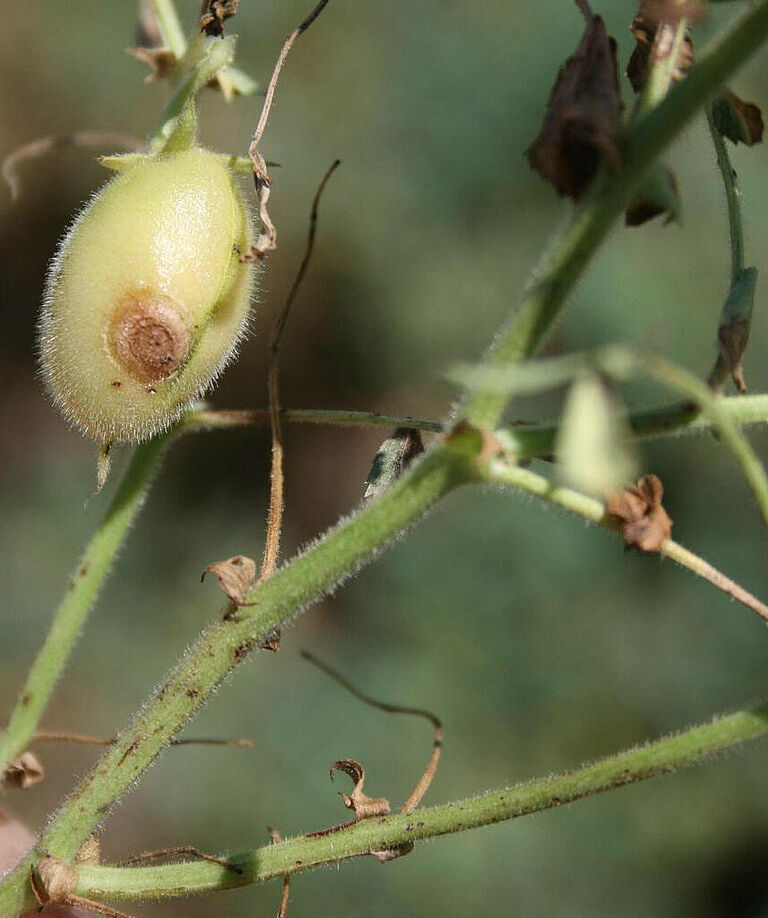
Ascochyta pisicauses spots on leaves, stems and pods of peas. The spots on leaves and pods are round, on the stems they are more elongated. The lesions are light brown, sunken and surrounded by a dark brown to red-brown border. The first infection is often on the primary leaves. The fungus is seed borne and thus also causes post- and pre-emergence damping off and dwarfing.

Other Ascochyta species may also infect peas. Ascochyta pinodes causes Ascochyta blight, which causes darker spots than Ascochyta pisi. Ascochyta pinodella (current preferred name Phoma medicaginis var. pinodella) causes foot rot in peas, whereas Ascochyta pisi does occur sometimes at the stem base but is not part of the foot rot syndrome in peas. Infected seeds may have brown areas.
Life cycle and appearance of Pea blight, leaf and pod spot

Ascochyta pisi hardly survives in the soil or on crop residues because of its poor saprophytic competitiveness and because chlamydospores are rare. Primary infection is purely seed-borne. Conidia and other fungal structures are transmitted on the outside of the seed coat and cause primary infection.

The conidia germinate and infect through the stomata or directly through the cuticle. On the lesions, pycnidia are formed from which orange-red masses of two-celled conidia are exuded. Secondary infection is by splash dispersal of these conidia. There is no known sexual stage. Ascochyta fungi develop most rapidly at temperatures below 20 °C and the spores require water for dispersal.

How to prevent Pea blight, leaf and pod spot

  • Grow peas in arid regions
  • Use clean seed
  • Use a minimum crop rotation of four years with non-host crops
  • Bury or remove crop debris

Prevent plant diseases by optimizing plant potential and crop resilience.

Need help?