20 years of citrus experience to guide you through every decision
Two decades of experience in citrus provide us with a broad background and accumulated knowledge that allows us to offer effective and sustainable solutions for the biological control of pests and diseases in citrus.
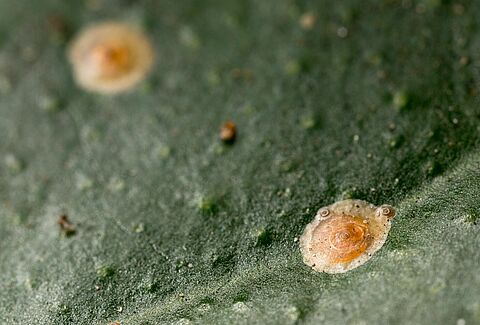
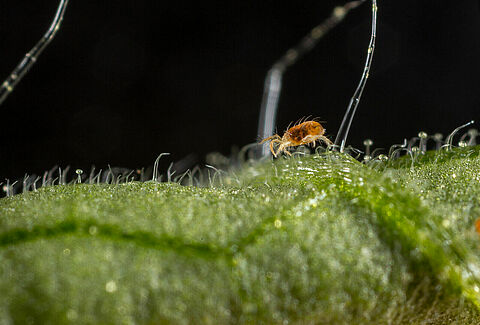
Pests such as mealybugs (cotonet), red spider mites (Tetranychus urticae), different species of thrips (such as Scirtothrips spp.) and diaspines (such as white louse and red louse) have no secrets for us.
Our biological control strategies are always based on prevention and acting before the pest appears. We adapt our action protocols to the specific conditions of each case to obtain the best results.
Making the right decisions is the difference between success and failure in biological control, which is why we always recommend the expert and qualified advice of our field technicians.
Read about the experience of Balbino, a veteran citrus grower who relies on Koppert's biological solutions:
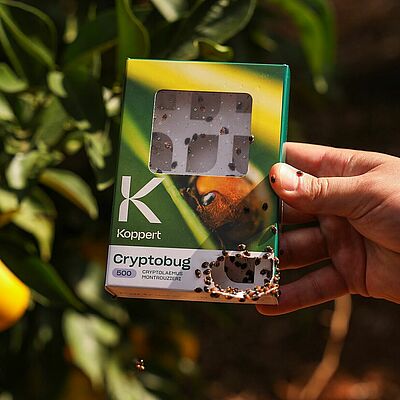
Sachets with Ulti-Mite technology, perfect for releasing predatory mites in citrus crops
Koppert's unique Ulti-Mite technology is perfect for citrus cultivation. It is suitable for outdoor cultivation because the Ulti-Mite envelopes are made of an aluminised material that is resistant to both rain and extreme low humidity conditions.
In addition, Ulti-Mite sachets are compostable and help to reduce waste generation.


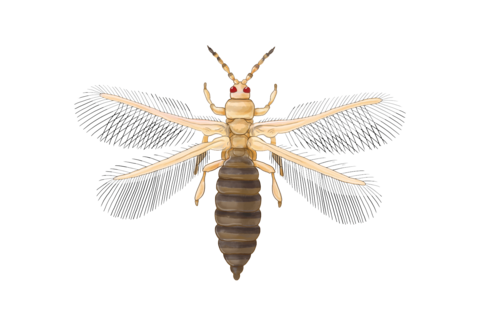
Koppert Predatory Mites
Predatory mites stand as a cornerstone in integrated pest management (IPM) strategies, providing a sustainable alternative to chemical pesticides. Meet Koppert’s innovative lineup of predatory mites. Our commitment to continuous innovation and refinement has shaped our extensive product portfolio into the gold standard growers worldwide trust as the basis for their integrated pest management strategies. Predatory mites are applied to effectively control pests like whitefly, thrips, and spider mites.
Choosing the right predatory mite solution to control a pest infestation is contingent upon various factors such as the type of crop, the specific pest involved, climatic conditions, infestation levels, and crop protection strategy. Each product in our portfolio is developed to meet these unique needs, supporting growers to safeguard both quality and yield.
The Original Predatory Mite Products
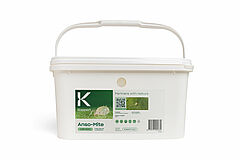 Anso-Mite
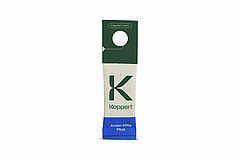 Anso-Mite Plus
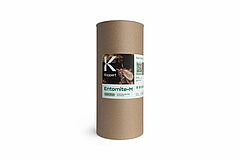 Entomite-M
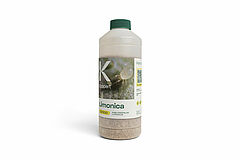 Limonica
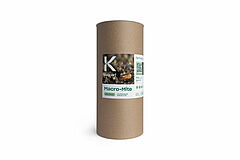 Macro-Mite
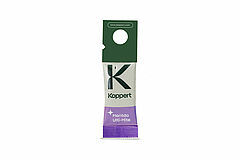 Montdo Ulti-Mite
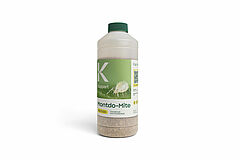 Montdo-Mite
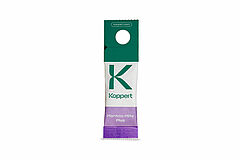 Montdo-Mite Plus
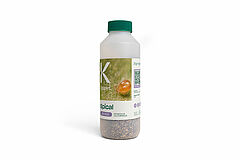 Spical
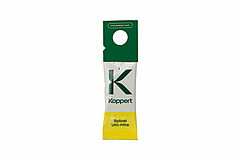 Spical Ulti-Mite
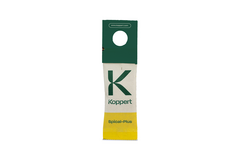 Spical-Plus
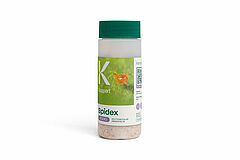 Spidex
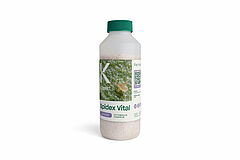 Spidex Vital
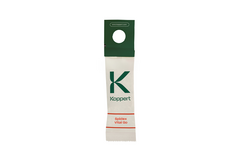 Spidex Vital Go
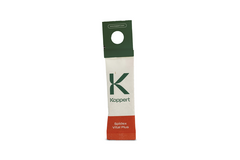 Spidex Vital Plus
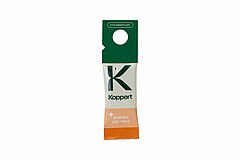 Swirski Ulti-Mite
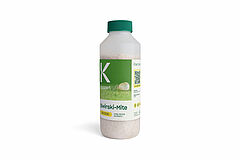 Swirski-Mite
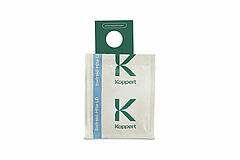 Swirski-Mite LD
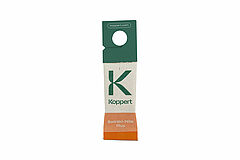 Swirski-Mite Plus
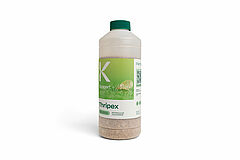 Thripex
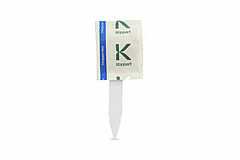 Thripex-Mini
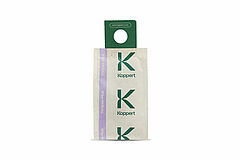 Thripex-Plus
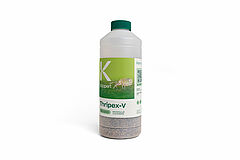 Thripex-V