
Skip to content

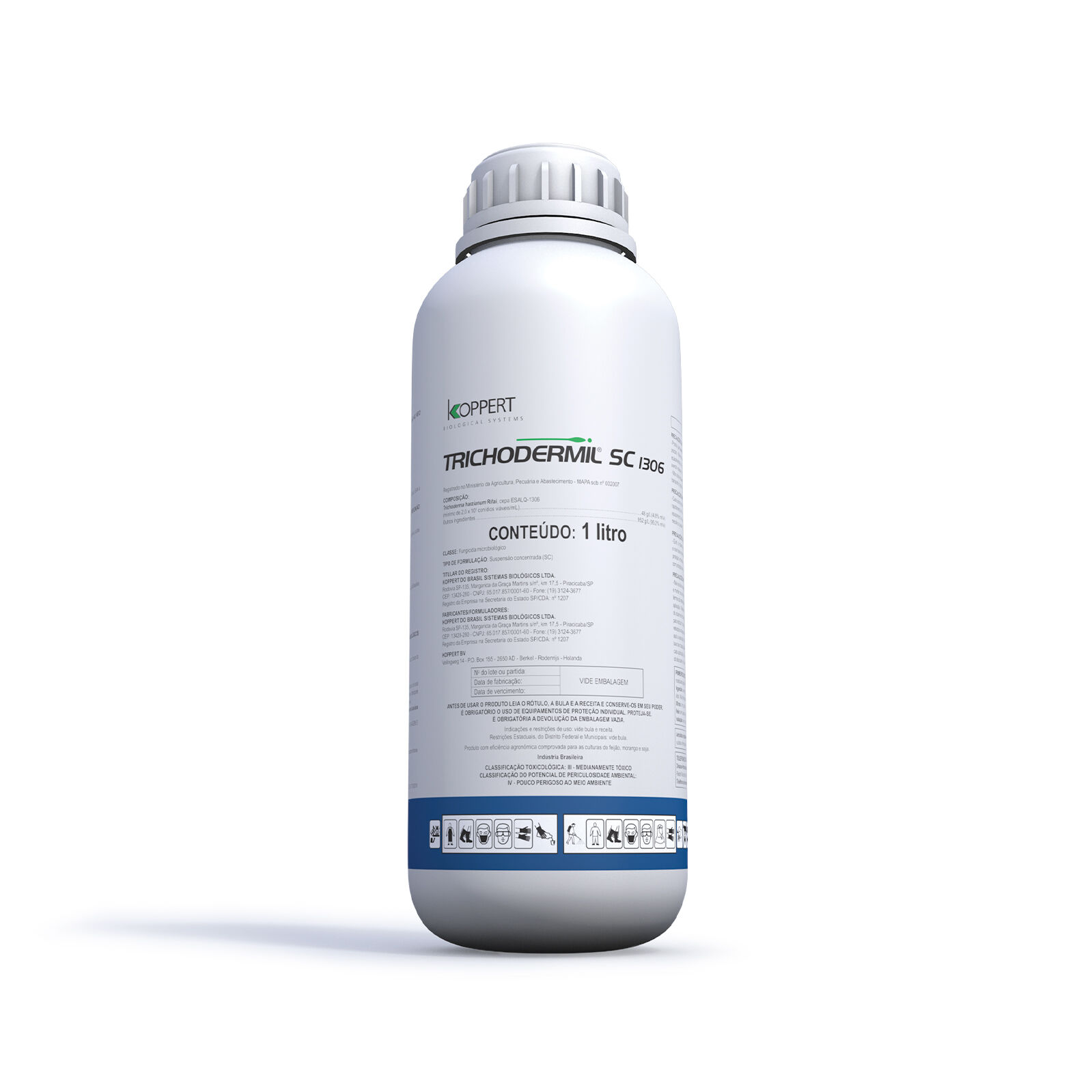
Trichodermil

  • Trichoderma harzianum CEPA ESALQ 1306
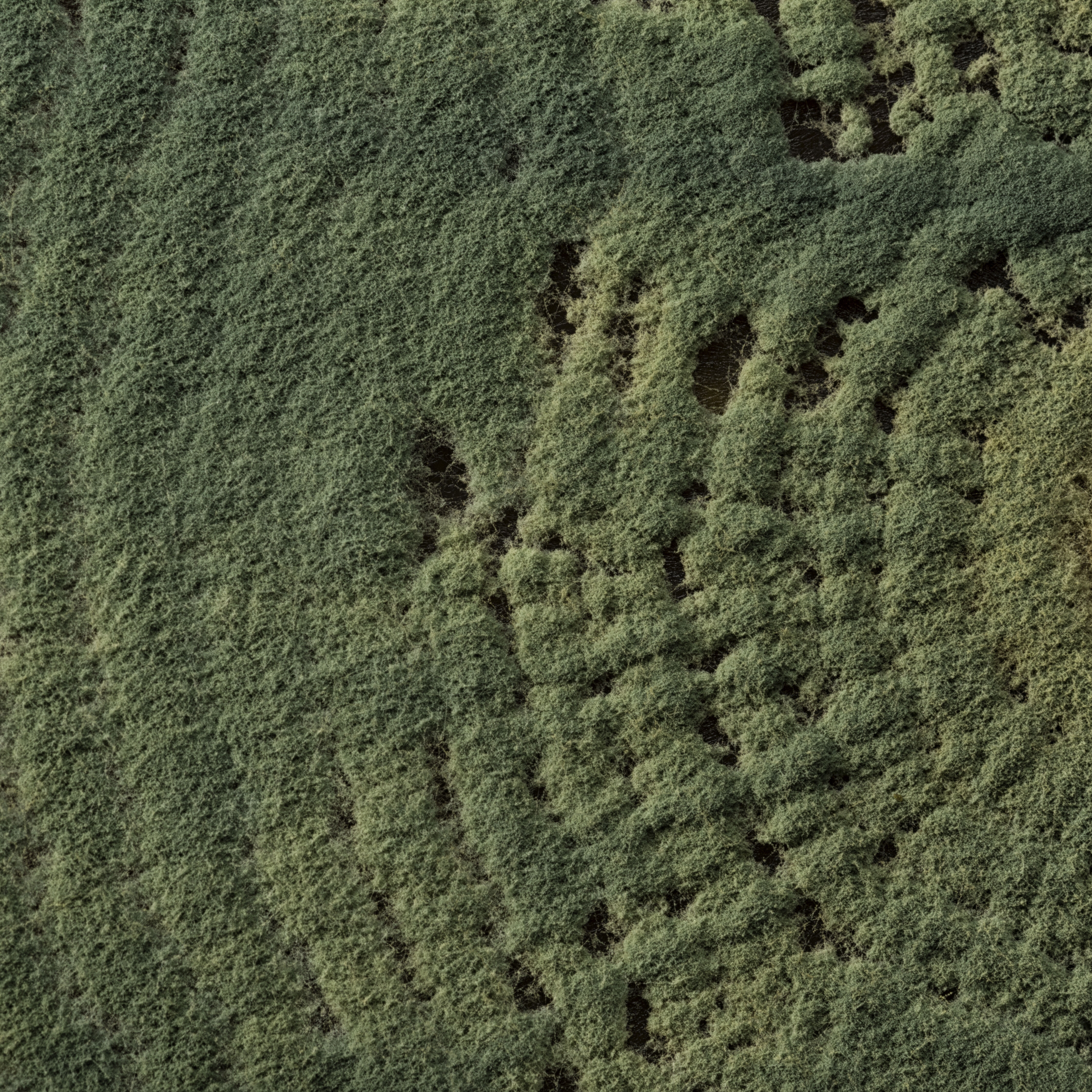
  • Beneficial fungi
Testimonials
Downloads
  • Jump to:
  • Use for
  • Product details
  • Downloads
  • Directions for use

Use for

When to use Trichodermil

It should be prepared preventively in areas with a history of 'damping off' caused by fungi and plant pathogen nematodes present in the soil.

"The general conditions of Koppert (Koppert B.V. and/or of its affiliated companies) apply. Only use products that are permitted in your country/state and crop. Always comply with the conditions specified in local product registrations. Koppert cannot be held liable for unauthorized use. Koppert is not liable for any loss of quality if the product is stored for longer than recommended and/or under incorrect conditions."

Product details

How does Trichodermil work?

The fungus has three mechanisms of action:

  • Antagonism – inhibiting the occupation of space by other plant pathogen microorganisms that also develop in the soil;
  • Micoparasitism – with direct action that leaves the hyphae and sclerotia of plant pathogen fungus unviable;
  • Antibiosis – the metabolites produced by the fungus (protease, lipase, glucanase, and chitinase) promote the degradation of the cell walls of the fungus and nematodes in the soil.

Downloads

Download here

Directions for use

Application

• Spray on the plantation furrow
• Spray with full boom

Application with Full Boom

• Trichodermil 1306 should be applied with spraying equipment that is suitable for all types of crops, cultivation methods, and the topography of the land.

• Precise calibration of the spraying equipment should be taken into consideration to guarantee optimum coverage of the soil.

• Before preparing the mixture, the spraying equipment should be cleaned. Avoid pre-made mixture.

Best conditions for Trichodermil application

It is best to apply the product late afternoon or on cloudy days, at temperatures of 25-35°C and relative air humidity of 60%.

Handling Trichodermil

When stored at temperatures between -4 and -12°C, validity will be 365 days. For temperatures from 24 to 28°C, it will be 120 days.

Need help?