
Skip to content

General

The vine leafhopper, Scaphoideus titanus, is a pest of grapevine. It is of North American origin and has been introduced in Europe, where it is now present in many countries.

Biological solutions for American vine leafhopper

Filters:
Clear all filters
Show all Show less
products found:

Questions or need help?

Find a reseller
  • Easy to use
  • Minimal resistance
  • No chemical residues
  • No pre-harvest intervals

Learn more about

Damage symptoms

The American vine leafhopper is not directly harmful to grapevine but it is an important vector of ‘Candidatus Phytoplasma vitis’, the causal agent of Flavescence dorée, which is a Grapevine Yellows Disease that causes severe damage in European vineyards. Flavescence-dorée phytoplasma is a quarantine disease in the European and Mediterranean Plant Protection Organization (EPPO) region and control measures are mandatory in some European countries.

Leaves of grapevines infected with Flavescence dorée show yellowing discoloration and rolling down of leaf margins. Flowers wither and berries shrivel resulting in a reduction of quality and yield of the crop. Woody canes are poorly ripened and remain rubbery, giving the stock an overall 'weeping' aspect. Not enough young wood is produced and left for pruning. The plants rapidly decline.

Life cycle and appearance of American vine leafhopper

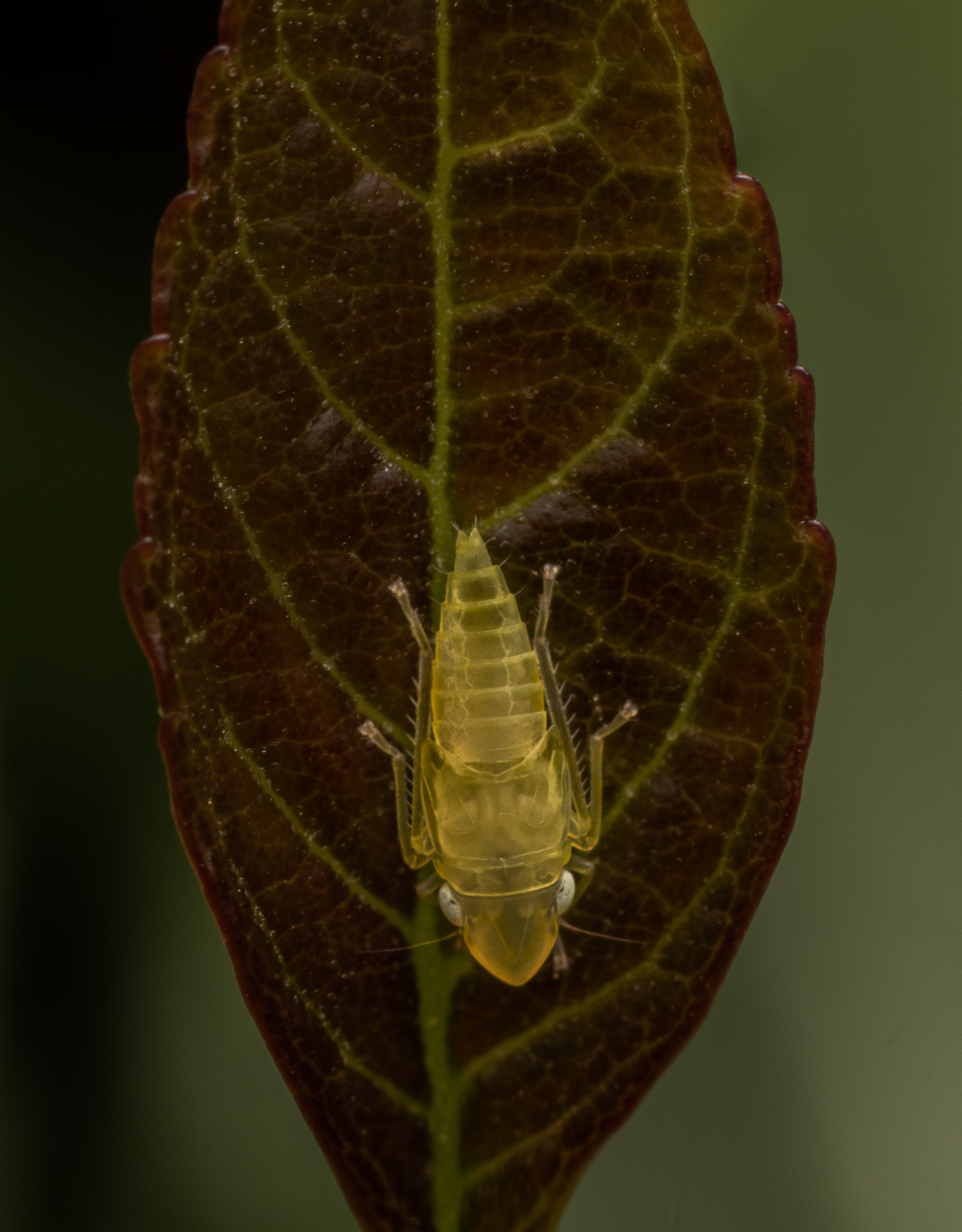
Adult vine leafhoppers are 4.5-6 mm long. The elytra are yellowish brown with dark brown markings. There are five nymphal instars; first instar nymphs are about 1.8 mm long. Older nymphs are pale yellowish white, with dark markings and a pair of dark brown spots near the tip of the abdomen. The abdomen is armed with spikes and tapered at the posterior end. Younger nymphs are whitish to pale yellowish white and also have the pair of spots at the tip of the abdomen.

There is one generation per year. The eggs are laid on the bark of grapes where they overwinter. They start to hatch in May and development into adults takes about five weeks. The nymphs are very active on the lower surface of the leaves and jump to escape when they are disturbed. Adults can be seen from late July to September.

Need help?