
Damage symptoms
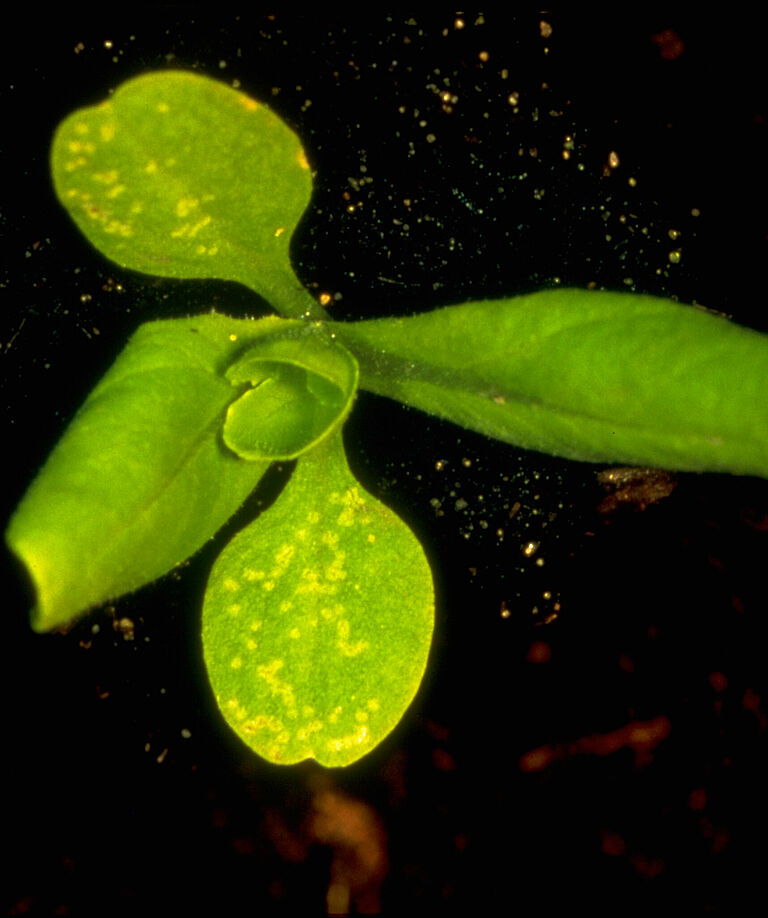
Leaf miners cause damage to plants both directly and indirectly. The most direct damage is caused by the larvae mining the leaf tissue, leading to desiccation, premature leaf-fall and cosmetic damage. In tropical and subtropical areas this can lead to burning in fruit such as tomato and melon. Loss of leaves also reduces yield. In full-grown plants of fruiting vegetable crops, however, a considerable quantity of foliage can get damaged before the harvest is affected.
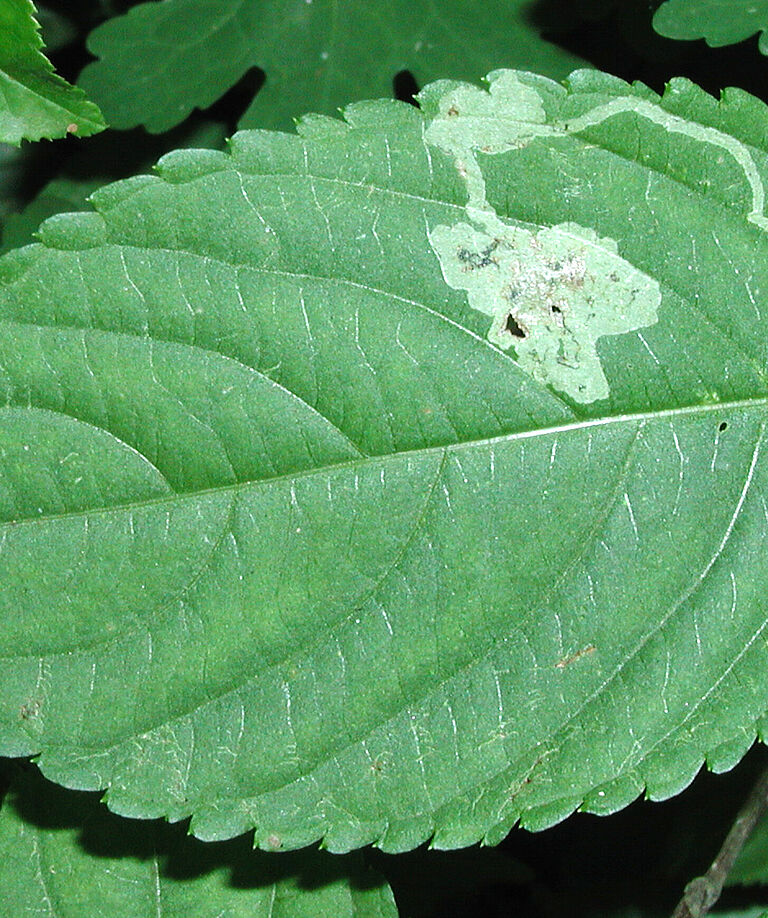
The size of a leaf tunnel depends on the stage of development of the leaf, the species of host plant and the species of leaf miner. The older larvae make wider tunnels. Feeding spots made by adult females can also reduce yield, although except with ornamental crops, this is usually of less significance. Seedlings and young plants can be completely destroyed as a result of the direct damage caused by leaf miners.
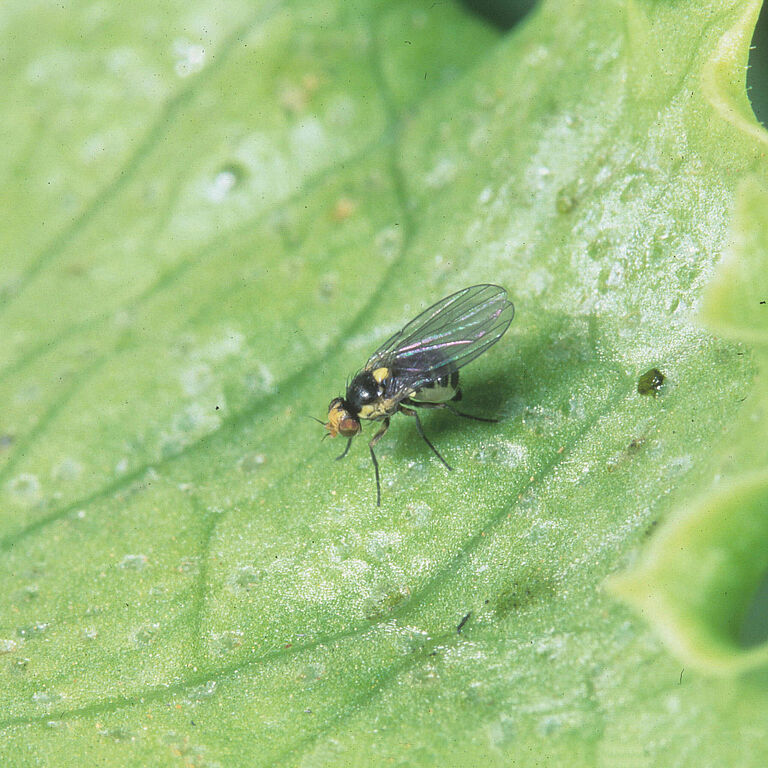
Indirect damage arises when disease causing fungi or bacteria enter the plant tissue via the feeding spots. The mines of the pea leaf miner (Liriomyza huidobrensis) often run along mid-veins and side-veins but can also run irregularly over the leaf. When more mines appear on a leaf, a large ‘plate-mine’ may be formed. These are mostly located at the base of the leaf.