
Damage symptoms
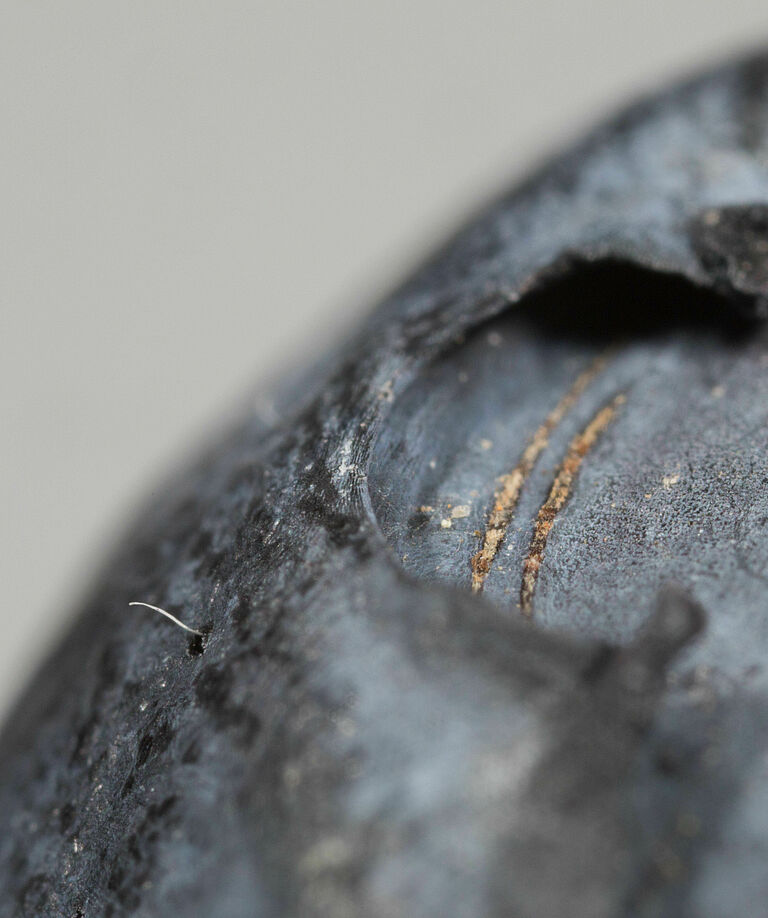
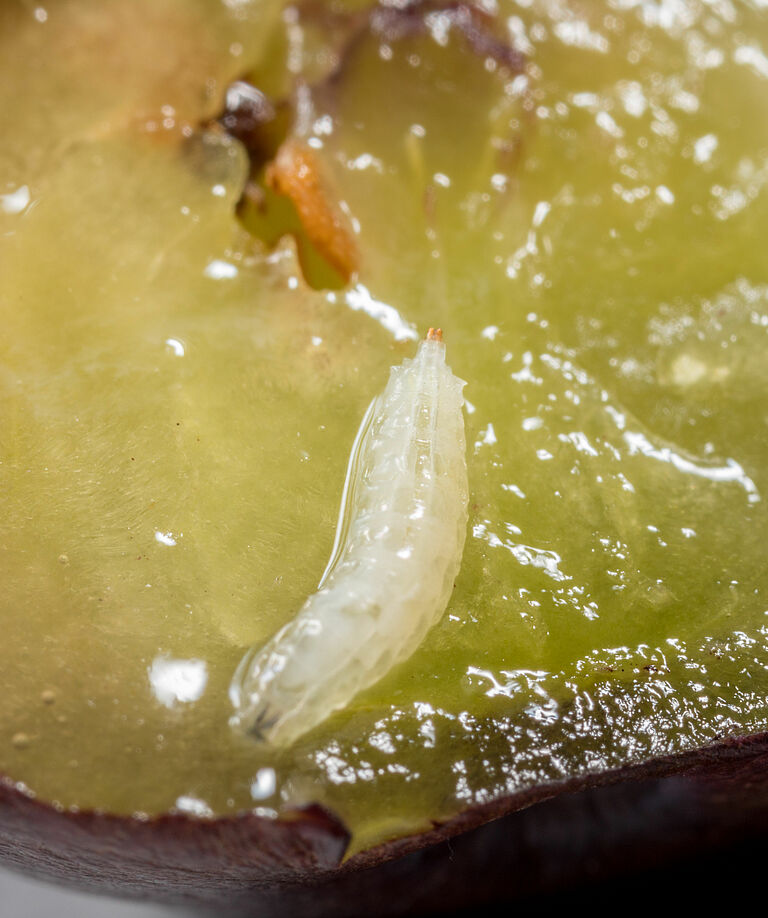
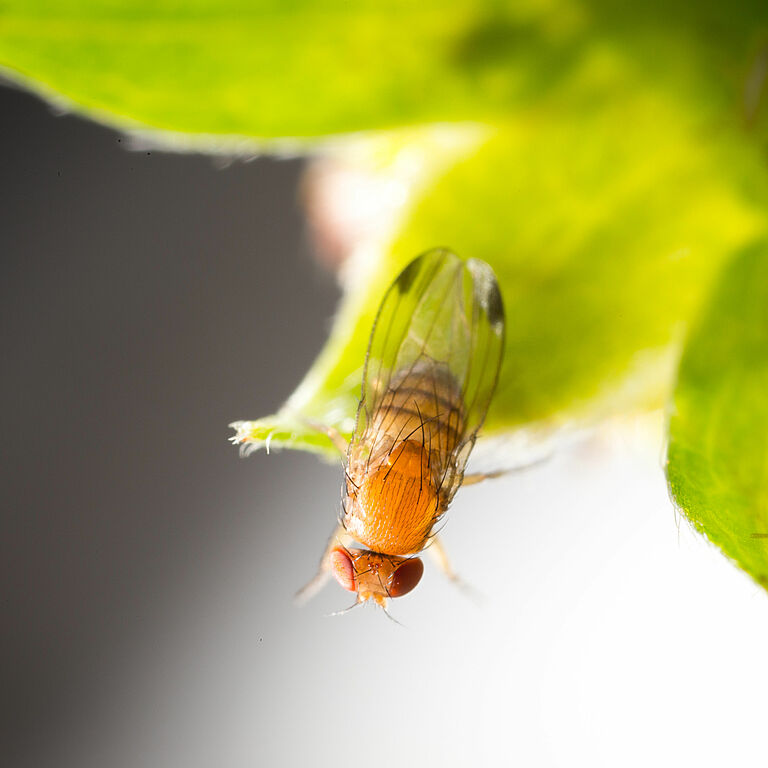
After oviposition, the respiration tubes extend from the fruit but are difficult to see. Larval feeding in the fruit leads to fruit tissue collapse. Even if the fruits have not collapsed, the occurrence of larvae within the fruit makes them unmarketable. The punctures made by the oviposition by D. suzukii exposes fruits to secondary pathogens (e.g. bacteria, fungi and yeasts). Finally, deterioration of fruit can increase its susceptibility to attack by other Drosophila species. D. suzukii has a wide host range, with thin-skinned berries (e.g. raspberries, blackberries, blueberries, strawberries) and stone fruits (e.g. cherries, plums) being particularly susceptible to infestation.