
Skip to content

General

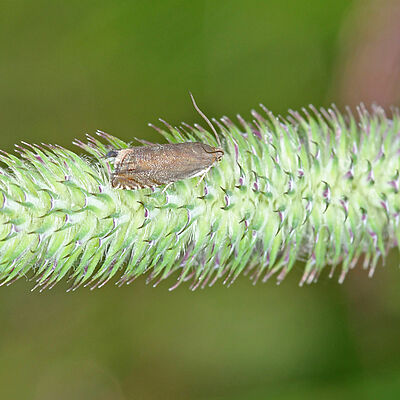
The pea moth (Grapholita nigricana), is a common pest of peas in Europe.

Biological solutions for Pea moth

Filters:
Clear all filters
Show all Show less
products found:

Questions or need help?

Find a reseller
  • Easy to use
  • Minimal resistance
  • No chemical residues
  • No pre-harvest intervals

Learn more about

Damage symptoms

Infested pods are difficult to identify as the small entrance holes of the larvae are difficult to see. The caterpillar can damage up to four seeds in one pod. Damage only becomes obvious when plants are ripening and the emergence holes are seen or when fresh pods are opened. Vegetable peas are unmarketable if the infestation exceeds 0.5%.
Life cycle and appearance of Pea moth

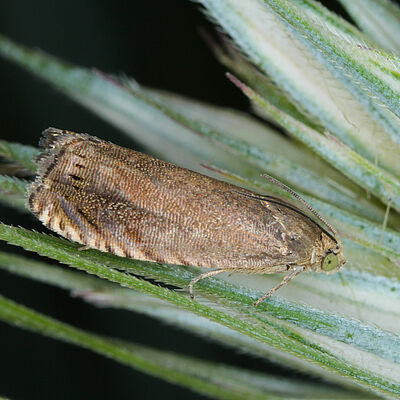
The adults have a wingspan of 12-16 mm and olive brown forewings with black and white bands on the margins. The larvae measure 13-18 mm when fully developed They are initially white and later turn yellow with dark dots at the base of the hairs and a brown head.

The adults lay eggs on flowers or leaves of pea in June and July. Eggs hatch after 1-3 weeks and the larvae bore into the young pods and feed on the seeds for about 3 weeks. Thereafter, they leave the pod to overwinter in a cocoon in the soil. Pupation takes place in spring and the adults start to emerge in May.

Need help?