Life cycle and appearance
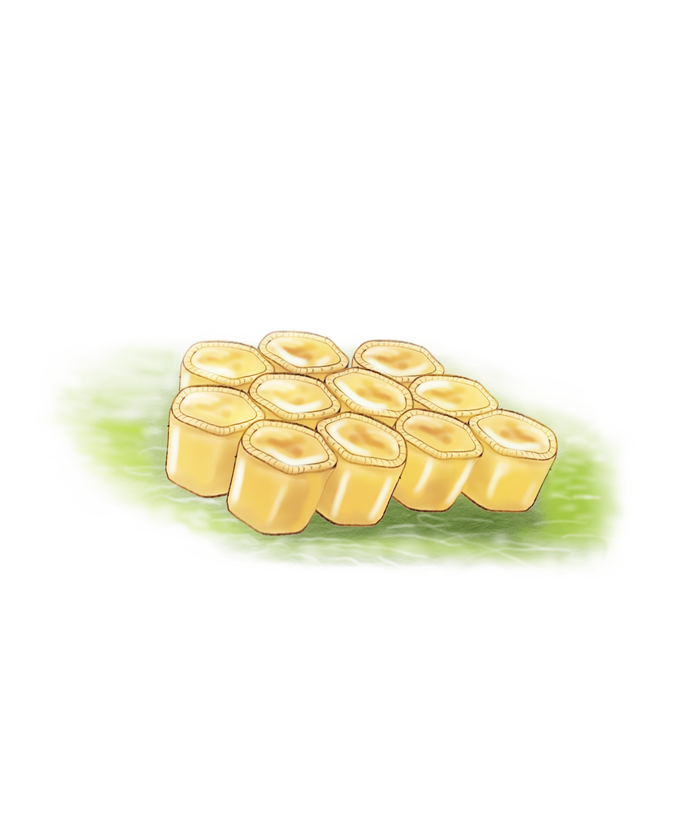
Nezara viridula goes through five nymphal instars. Eggs are laid in clusters of 30 – 130 on the under surface of leaves and on fruits, in the upper portions of the plants. The eggs are glued firmly to each other and to the substrate and the egg package usually has a hexagonal shape. Newly laid eggs are about 1 mm in height, pale yellow and barrel shaped with flat tops, and have a conspicuous girdle of spines. Over time they change colour, eventually becoming clear orange.
Nymphs hatch from the egg by opening the disc shaped cap. Eggs of the same egg cluster emerge simultaneously. Nymphs are reddish in colour with red eyes and transparent legs and antennae. First instars do not feed and, aggregate around the empty eggs. The possible advantages of aggregating in this manner are increased protection from drought and high temperatures, and increased protection from natural enemies by pooling their chemical defences.
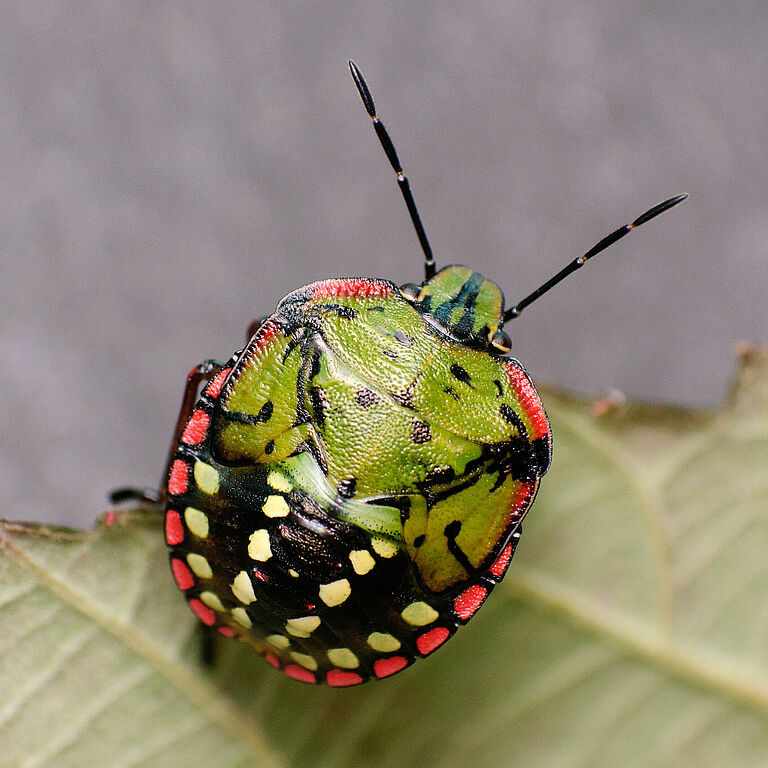
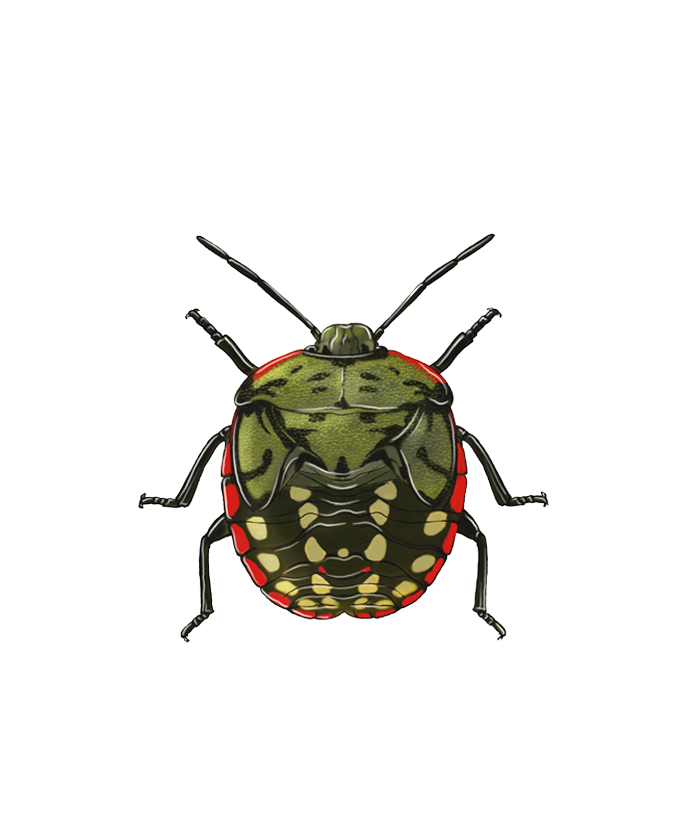
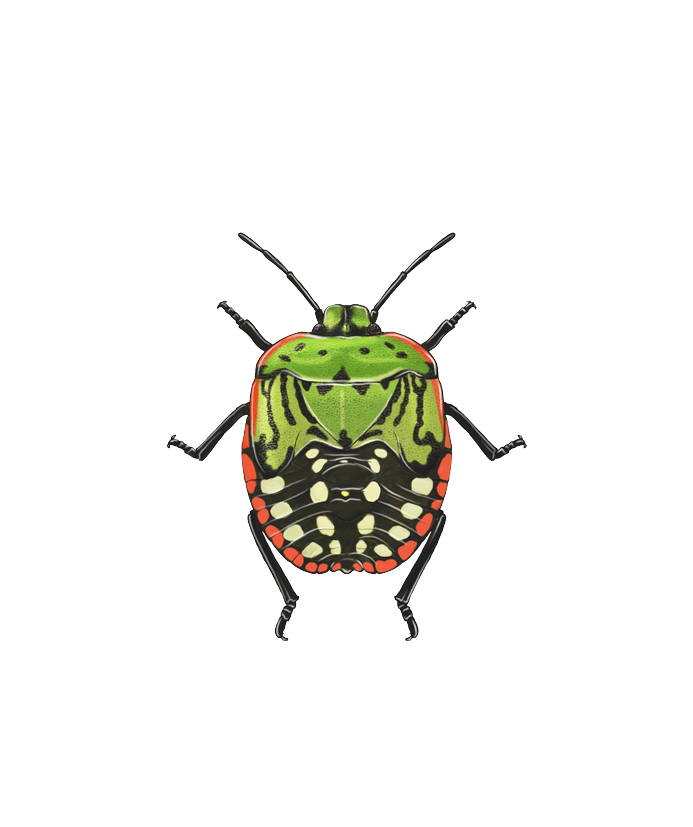
Second and third instar nymphs do feed, but the aggregation behaviour continues through to the fourth nymphal stage. Fourth stage nymphs disperse, and can be found in the top of crops in the morning. The second instar has a black head and legs, a black thorax with yellow spots on each side, and black antennae with red between the segments. The abdomen is red. The third and fourth instars differ from the second in size and colour, which becomes greenish all over. Fifth instar nymphs have visible wing buds and a yellowish green abdomen with red spots along the median line.
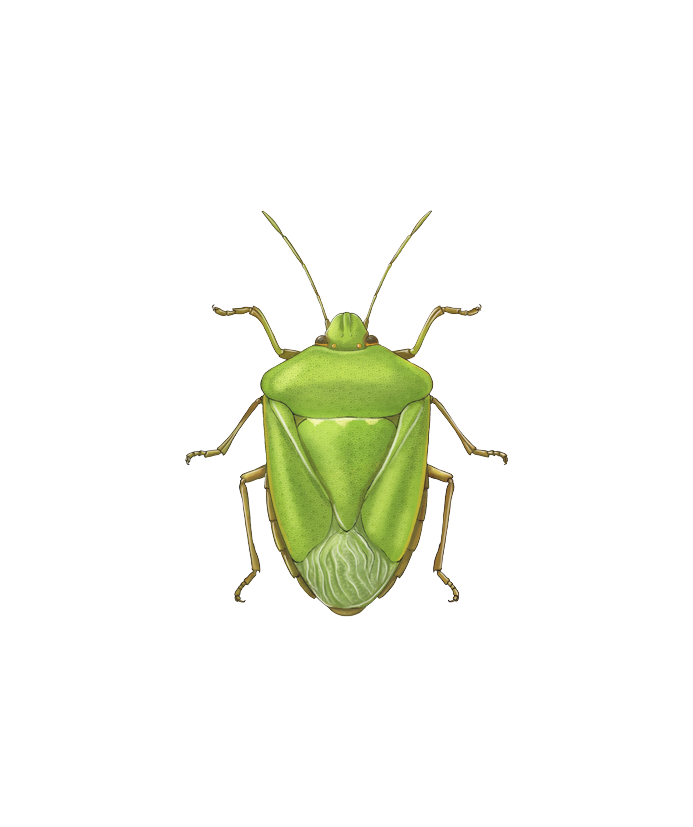
The adults are large shield-shaped bugs with a dull green colour (becoming brownish at cooler temperatures). They are about 13 mm in length, with 3 - 5 pale dots on the front of the pronotum and dark red or black eyes. Adjacent antennal segments alternate between dark and light, and although the wings completely cover the abdomen, small black spots can be seen on either side of the body.