Skip to content

Learn more about

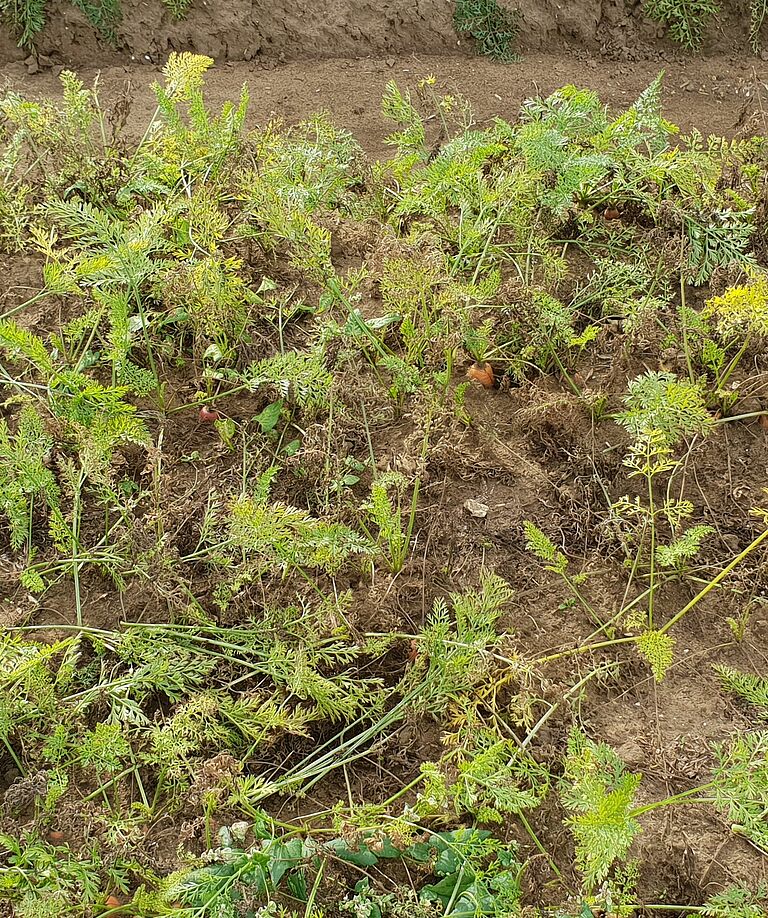
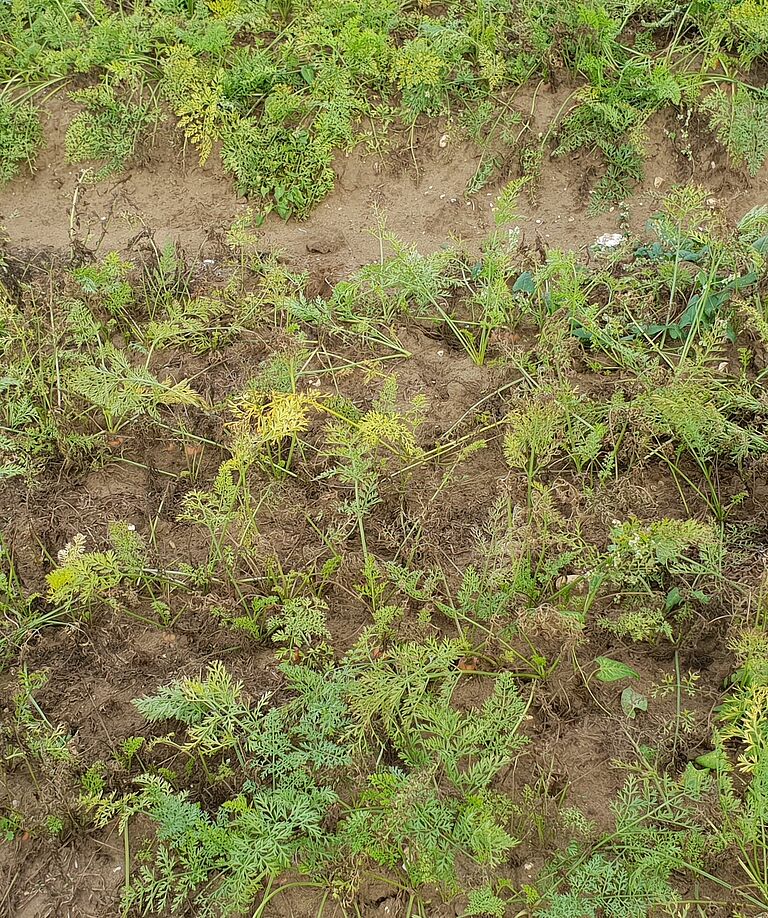
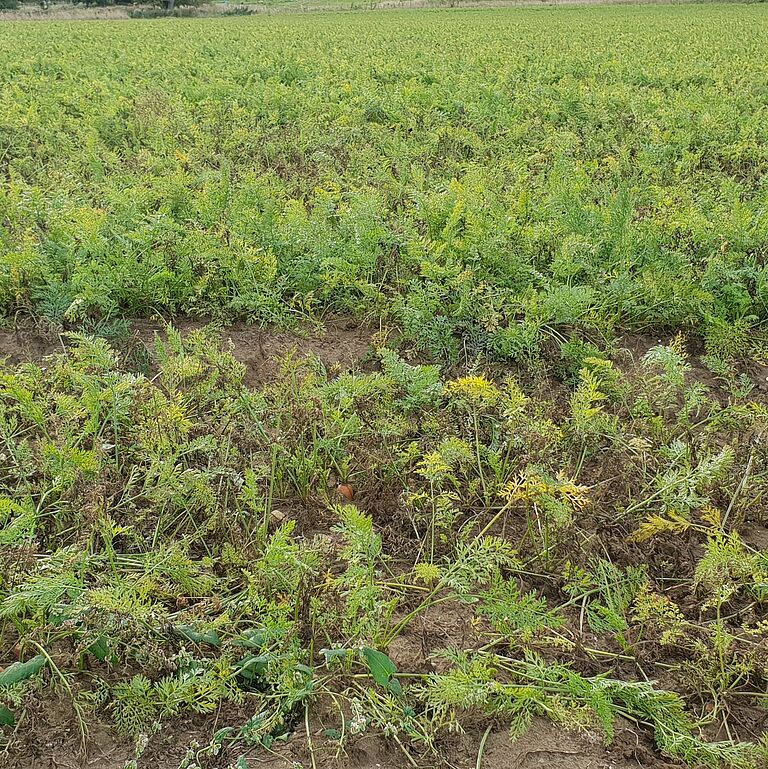
Damage symptoms

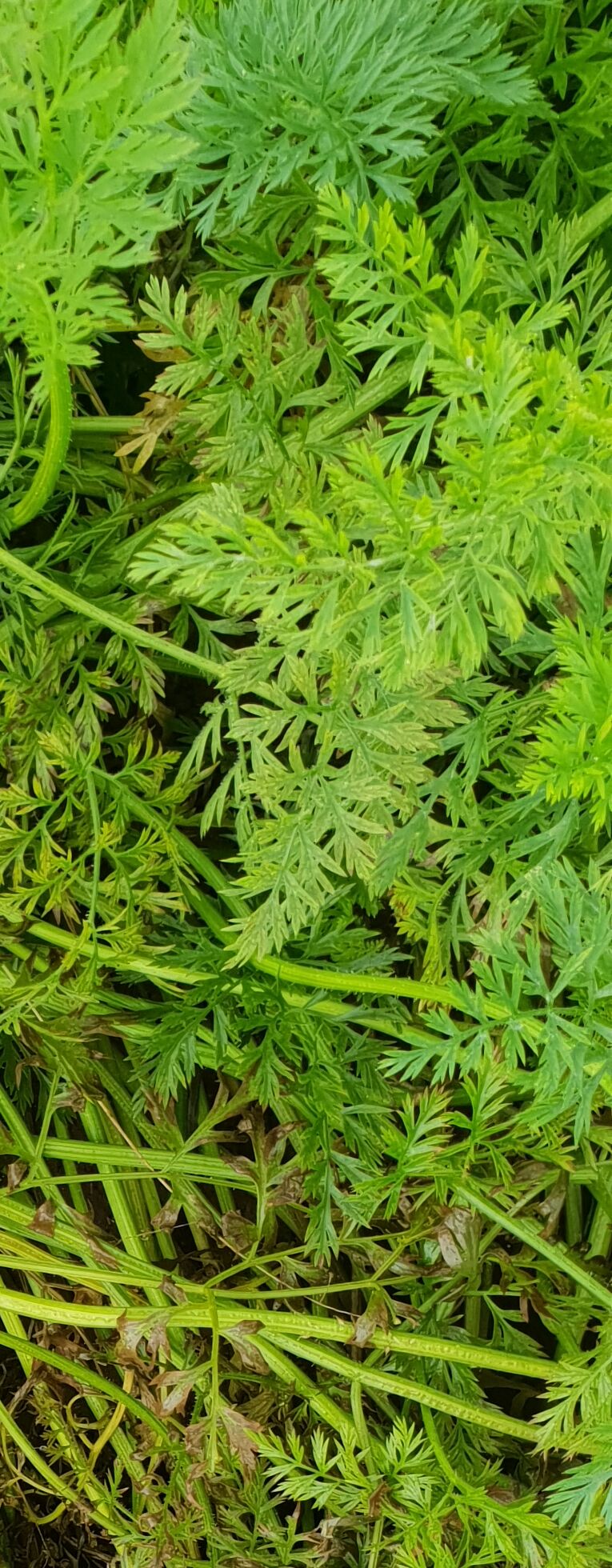
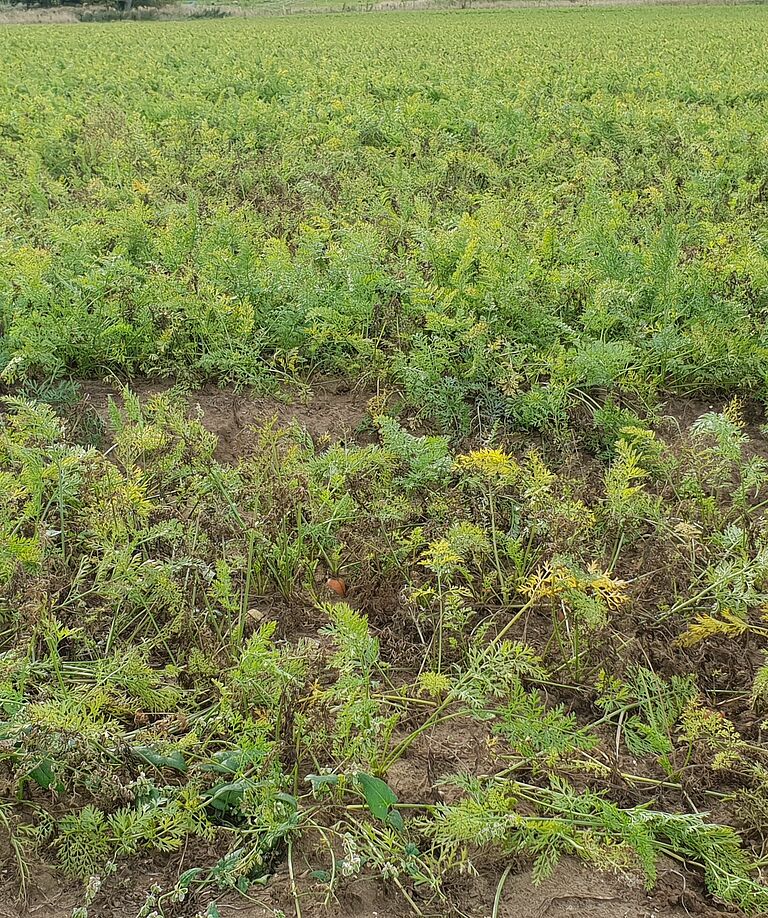
Leaf blight of carrot is a fungal infection that can kill seedlings before or after they emerge, causing "damping-off" disease. This results in brown, moist rot on roots, stems, and leaves, sometimes covered in an olive-greyish mycelium. The disease spreads more in warm temperatures (25°C) and in crowded plantings, leading to severe leaf damage. Infected leaves develop dark spots, turn black, curl up, and eventually die. Under favorable conditions for the disease, secondary inoculum spreads from infected but surviving plants to healthy leaves or plants. Older leaves are more susceptible, while younger ones may resist infection due to their natural chemical defenses.

The fungus can also attack carrot roots, especially where they are injured, causing dark, firm, shallow decay. It spreads more in warmer temperatures (above 15°C) and during storage. Additionally, the fungus infects flower stalks, flowers, and seeds, reducing seed quality and viability. Infected seeds may look normal but are smaller, shriveled, and less healthy.
How to prevent leaf blight of carrot

  • Grow resistant or tolerant cultivars.
  • Choose hybrid carrot seeds produced in dry areas helps reduce Alternaria infections, as pathogen-free stock seeds and spatial isolation minimize disease spread.
  • Crop rotation (3+ years) is important for disease control.
  • Potassium deficiency increases susceptibility.
  • Seed processing, including removal of undersized seeds and debris, significantly reduces pathogen presence.
  • In greenhouses, UV-absorbing vinyl films have been effective in inhibiting Alternaria dauci sporulation.
  • Treating seeds with Cedress.

Carrot Leaf Blight disease

Alternaria dauci, the fungus responsible for carrot leaf blight, is one of the most destructive foliar diseases affecting carrot crops worldwide. It primarily attacks the leaves and petioles, leading to brown to black lesions, premature leaf death, and significant yield losses. Under warm and humid conditions, the disease can spread rapidly through spores carried by wind, rain splash, or contaminated equipment.

Because Alternaria dauci weakens the foliage, it reduces the plant’s ability to photosynthesize effectively, resulting in smaller roots and lower marketable yields. The pathogen survives on infected plant debris, seeds, and volunteer carrots, making preventive crop protection and integrated disease management essential for sustainable production.

Early recognition and preventive introduction of biological control solutions can help growers manage the disease naturally while maintaining crop health and soil balance.

Life cycle of leaf blight of carrot

The fungus Alternaria dauci causes leaf blight in carrots and spreads mainly through seeds and infected plant debris, not soil. Wind spreads its spores, and their production depends on light, humidity, and temperature. The fungus thrives in warm (25-30°C), humid conditions and spreads more rapidly during wet weather conditions. Spores germinate within two hours in water, with infection symptoms shown in 8-10 days.

The disease is worse in areas with high humidity, frequent irrigation, and strong winds. The fungus produces chemicals that damage carrot leaves, creating dark spots similar to those caused by the infection. Scientists have studied its genetics, but some lab findings haven’t been seen in nature. The fungus can also produce a plant hormone-like compound (indole acetic acid), which may help its growth.

The fungus Alternaria dauci mainly infects carrots but can also attack other plants, especially those in the same family, like celery, parsley, dill, and parsnip. It has also been found on wild carrots and parsnips, as well as other crops like cabbage, lettuce, cucumber, radish, eggplant, and tomato. Experiments show it can infect both seedlings and mature plants. It has even been found on flowers like carnations and gerbera grown in greenhouses.

Need help?