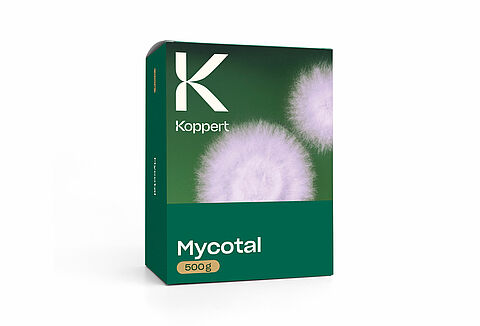
Control whitefly and thrips with entomopathogenic fungi
Whiteflies and thrips are common pests that can cause significant damage to crops and plants. An effective method for controlling whiteflies and thrips is through the use of entomopathogenic fungi, such as Akanthomyces muscarius (formerly called Lecanicillium muscarium). Our Mycotal product is a bio-insecticide that contains the blastospores of Akanthomyces muscarius Ve6. Mycotal is a biological solution for a range of pests, including whiteflies and thrips that are found in vegetables, ornamentals, nursery trees and soft fruit in protected cultivation.
How Mycotal works
When applied to the target pest, the spores of the fungus Akanthomyces muscarius attach to the whiteflies and thrips and germinate, penetrating the insect's cuticle and invading the body cavity. Once inside, the fungus releases enzymes that break down the insect's internal organs, leading to its death. The fungus then uses the dead insect as a source of nutrients to grow and produce more spores, which can infect other insects.
Why use Mycotal
-
Cold tolerant
-
Safe for beneficial insects, mites and pollinators
-
No hazardous residues and not subjected to MRL (Maximum Residue Level) rules
-
Compatible with a wide range of plant protection products
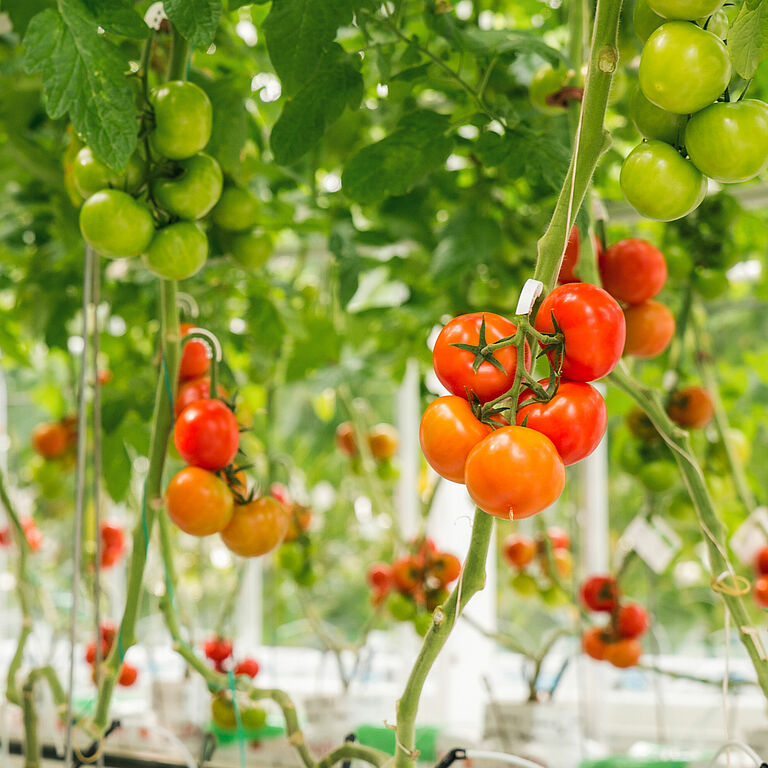
Proven results: field trials
Comparative field trials have shown that the new generation Mycotal gives a similar, or better, efficacy when compared to other chemical, or biological, plant protection products on the market.
Application via LVM
In collaboration with growers, we have conducted extensive research into applying Mycotal via LVM (Low Volume Mist System) and have seen that this is an easy and effective way of applying the product.
Everything you need to know about Mycotal
Discover everything you need to know about Mycotal. You can also download the FAQ document by clicking the button below.
New generation Mycotal: improved quality and shelf life
A process of continuous improvement led by our dedicated research team recently produced a newly optimized Mycotal product with an improved quality and shelf life. With the introduction of this new generation Mycotal, we ensure that you continue to benefit from the highest quality and best performing biological crop protection solutions. The new generation Mycotal is now available in all countries where the product is registered.
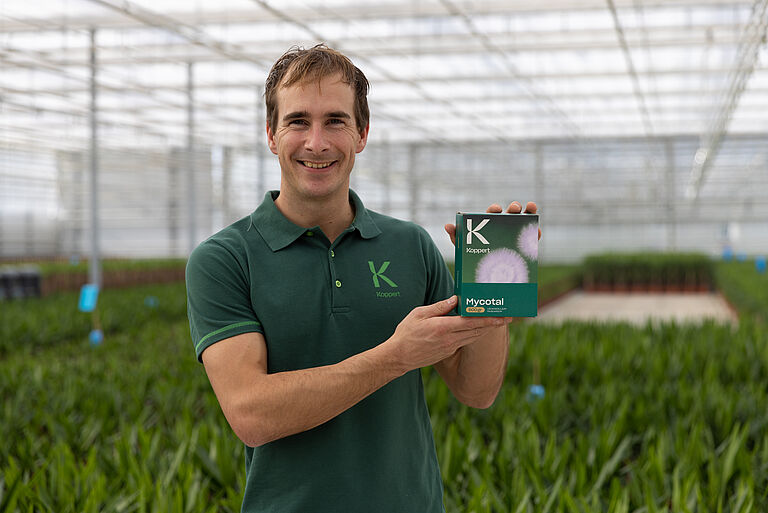
Cold-tolerant performance that sets Mycotal as an innovative bioinsecticide
Mycotal stands out among entomopathogenic fungi (EPFs) for its exceptional performance in cold conditions. In extensive laboratory trials comparing Akanthomyces muscarius Ve6 (Mycotal) with five main EPF products based on Beauveria bassiana and Cordyceps fumosorosea, Mycotal proved to be the fastest and most competitive fungus at temperatures ranging from 5°C to 14°C, offering a unique advantage in cold systems.
Under these low and fluctuating temperatures (conditions often found in Northern European countries in semi or outdoor systems such as strawberry), Mycotal spores germinated up to one week earlier than those of competing products, and colonies consistently reached the largest diameters, demonstrating faster and more vigorous growth.
This superior cold tolerance ability makes Mycotal particularly relevant in IPM systems in crops’ early or late stages and/or grown through the autumn, springtime or even winter period.
Tips to reach the optimal results with Mycotal
-
Store the product refrigerated between 2 and 6°C until use
-
Start applications at the first sign of pest infestation; Mycotal is a preventive product
-
Use an appropriate amount of water to ensure a good wetting of the leaves, pH of spray solution should be between 4 and 10
-
Make sure leaves (undersides) are thoroughly covered
-
Apply in late afternoon or, in some cases, early morning for the highest possible level of humidity on leaf surface
-
Frequent applications are needed to break the pest cycle. For the optimal results, repeat the application with a 7 day interval
-
Adjuvants can improve the efficacy of Mycotal by improving the wetting period after application, or by improving the distribution and stickiness of the spores to the leaf surface
-
Mycotal is active between 5°C and 30°C and the optimum temperature range lays between 15°C and 28°C