
Skip to content

Mirical

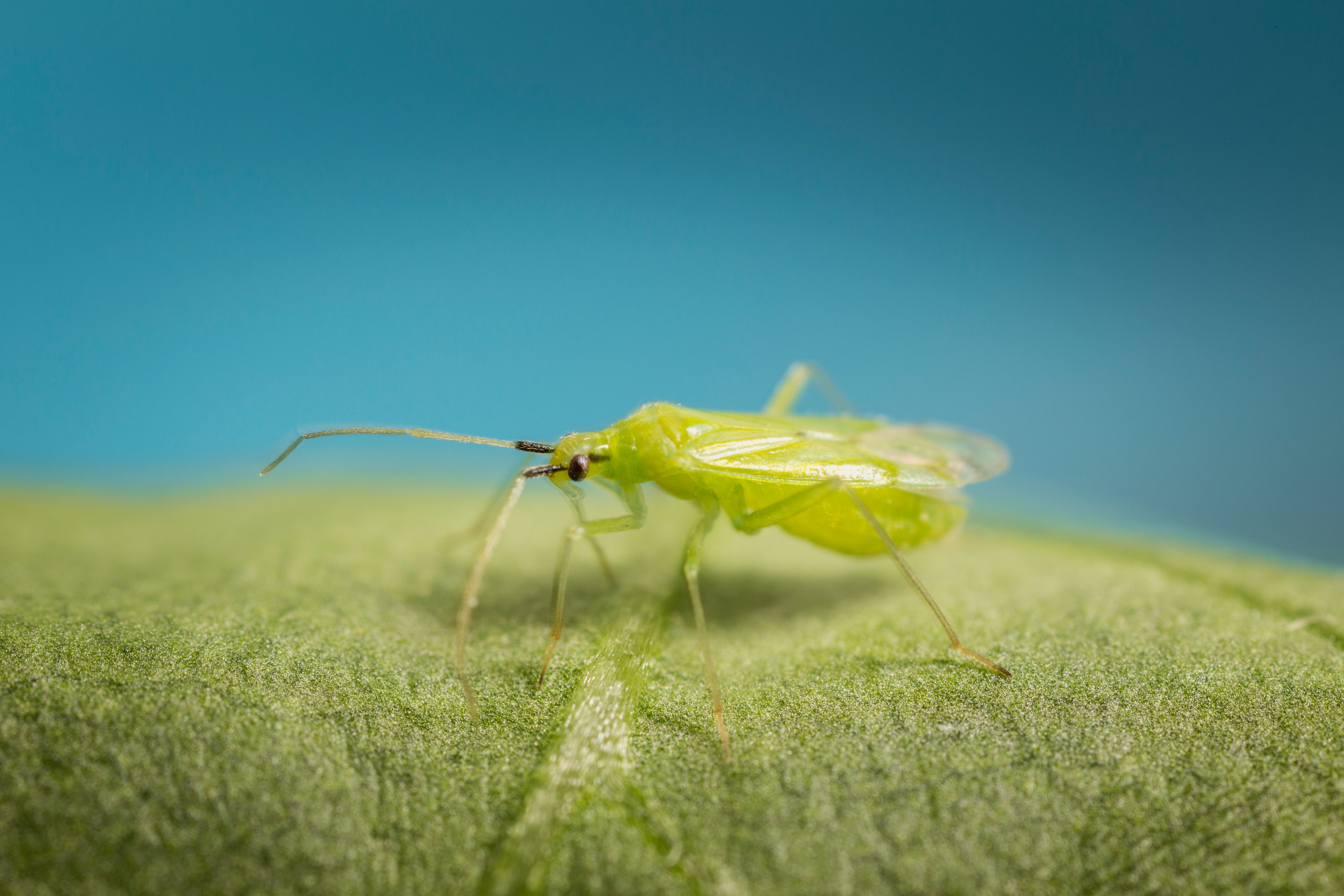
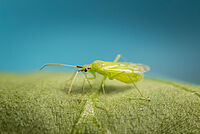
  • Macrolophus pygmaeus
  • Predatory bugs
Testimonials
Downloads

Use for:

  • Whiteflies
  • Tuta absoluta
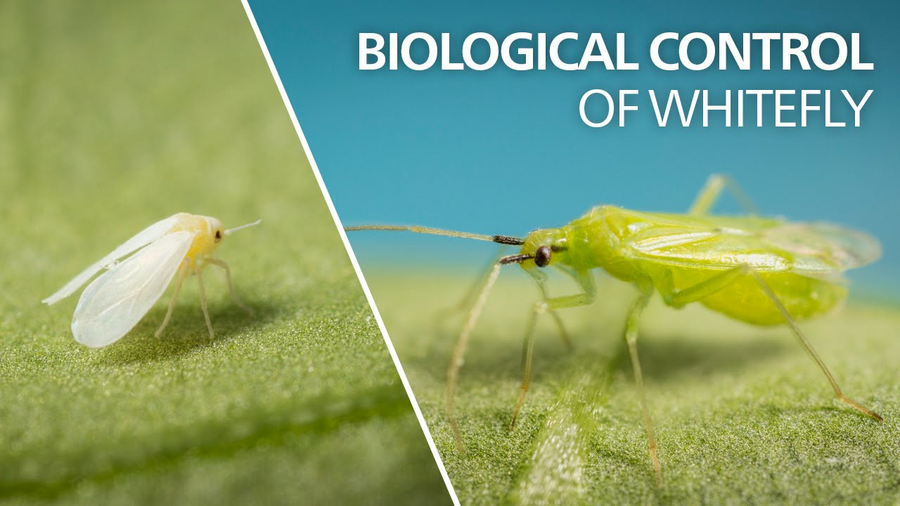
  • Generalist predator with a preference for whitefly

  • Also has an effect on Tuta absoluta

  • Especially for use in tomatoes

  • Jump to:
  • Use for
  • Product details
  • Directions for use
  • Frequently Asked Questions

Use for

Pests

Greenhouse whitefly (Trialeurodes vaporariorum), tobacco whitefly (Bemisia tabaci), eggs and caterpillars of tomato leaf miner moth (Tuta absoluta) and other moths. Also feeds on two spotted spider mites (Tetranychus urticae), aphids and leaf miner larvae (Liriomyza spp.).

Crops

Especially tomato (can cause damage to other plants).

"The general conditions of Koppert (Koppert B.V. and/or of its affiliated companies) apply. Only use products that are permitted in your country/state and crop. Always comply with the conditions specified in local product registrations. Koppert cannot be held liable for unauthorized use. Koppert is not liable for any loss of quality if the product is stored for longer than recommended and/or under incorrect conditions."

Product details

Mode of action

Adult predatory bugs and nymphs actively search for their prey and suck them out. The skin is left behind in its original form.

Product specifications

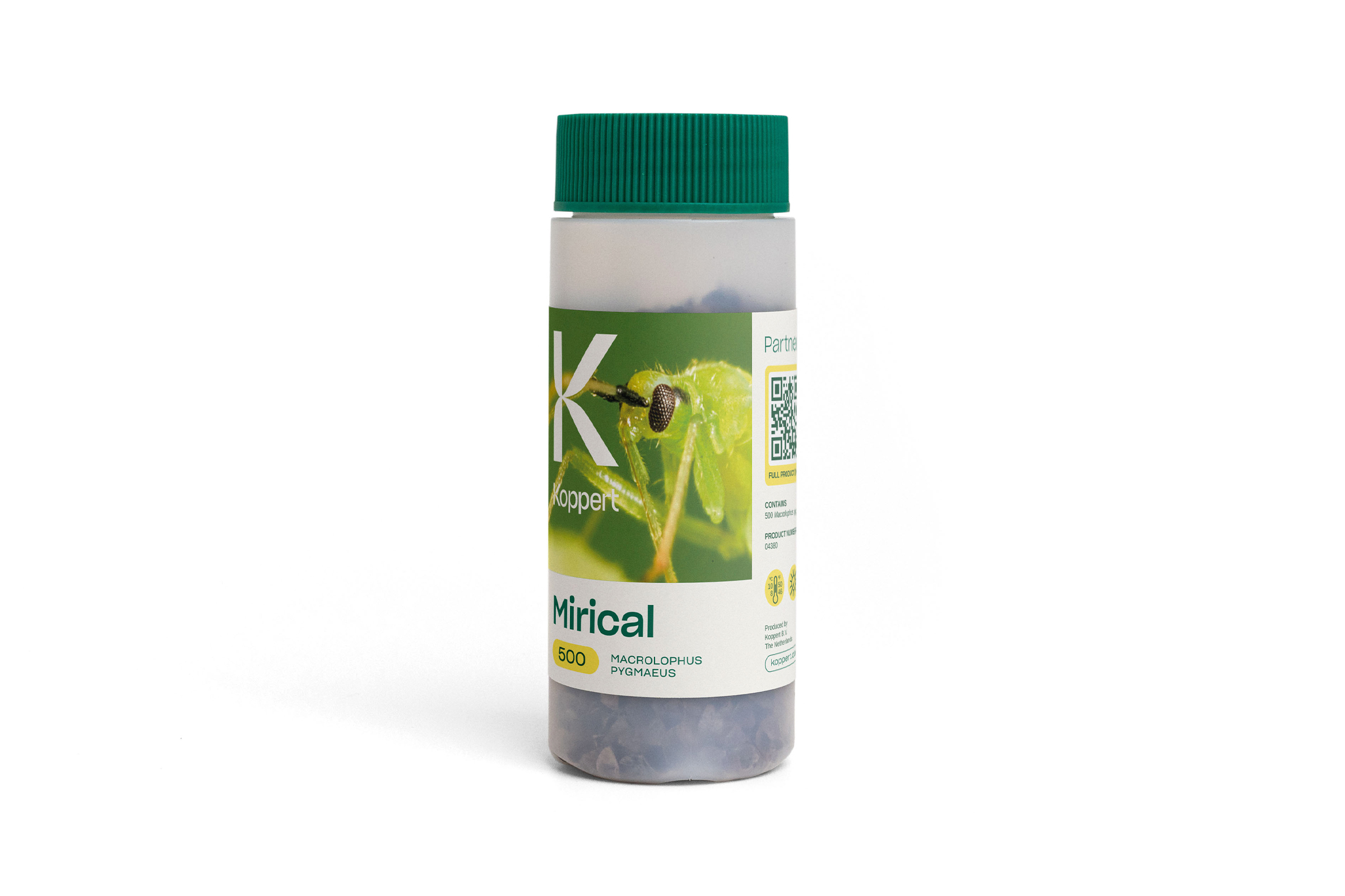
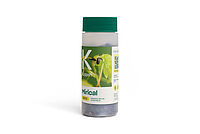
Pack size 500 adults and nymphs.
Presentation 100 ml bottle.
Carrier Wood chips and buckwheat hulls.

Directions for use

Application

Introduce Mirical at the beginning of the growing season and provide Entofood and/or Artefeed as a food source, as the predatory bug population needs time to establish and develop. Mirical can also survive on plant sap, however absence of animal prey slows down the population build-up significantly.

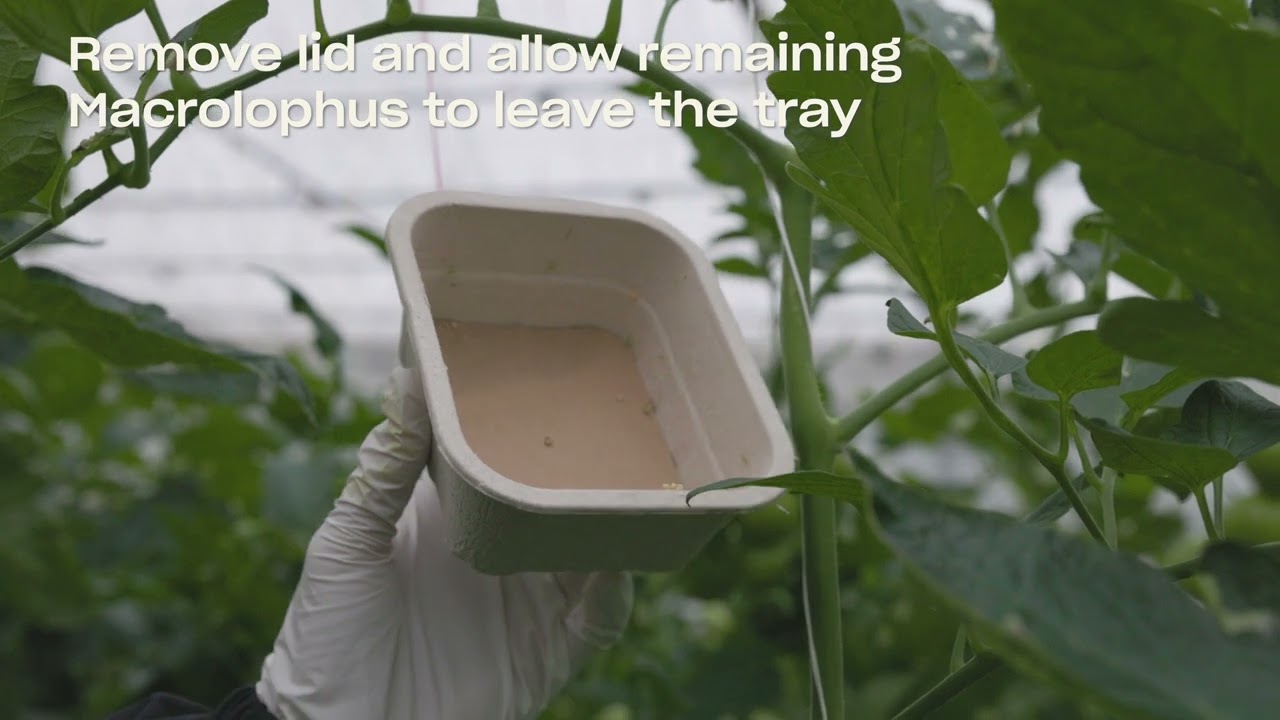
Cardboard tray:

  • Open package carefully inside the greenhouse.
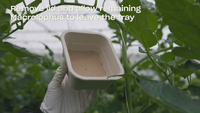
  • Distribute the contents of one package over 10 introduction points by hanging 1 cardboard strip per plant and, at the end, shake out any remaining M. pygmaeus from the tray into the crop.
  • Hang the cardboard strips over the stalk of a fully-grown leaf at the top of the plant.
  • The Macrolophus will climb out of the cardboard strips and spread through the crop.

Bottle:

  • Sprinkle material on clean, dry rock wool slabs, in Diboxes or on leaves. Make sure the material is not disturbed for at least a few hours
  • Introduce in clusters of at least 50 predatory bugs
  • Create 6-10 distribution points per bottle
  • Spread material thinly (maximum 1 cm thick) to enable the predatory bugs to get out of the carrier material

Dosage

The dosage of Mirical depends on climate, crop and expected pest density and should always be adjusted to the particular situation. Start introduction preventively. Introduction rates typically range from 0.25-5 per m2/release. Releases should be repeated after 2 weeks. Consult a Koppert advisor or a recognized distributor of Koppert products for advice on the best strategy for your situation.

Environmental conditions

Optimal temperatures for Mirical are above 20°C/68°F, lower temperatures slow down the development of Macrolophus pygmaeus significantly.

Combined use

Should be used in combination with whitefly parasitoids.

Storage time after receipt

Apply as soon as possible after receipt. If necessary, the product can be stored for 1-2 days.

Storage temperature

8-10°C/47-50°F.

Storage conditions

In the dark, bottle horizontally.

Frequently Asked Questions

  • Is release in plant nursery possible with this new packaging?

    Yes it is possible. Make sure the plant nursery is aware of this new packaging and do not place the cardboard strips directly in the plants but right next to it.

  • Is the packaging compostable or recyclable?

    Yes. You can recycle all parts (strips, box and lid) as paper.

  • Is it normal to see some condensation on the lid of the tray?

    Condensation on the lid might occur during transport and upon arrival. This doesn’t compromise product quality.

  • Is it normal to see a few dead Macrolophus at the bottom of the tray?

    This can happen as it is a living product with a normal mortality in the tray; the same as in the bottle. The difference is that in this packaging, dead individuals are better visible (on the bottom of the tray) than in the bottle, where dead Macrolophusl was less visible in the carrier material. Koppert buffers for this loss during transport, ensuring that you introduce at least 500 Mirical/tray.

  • How many release points can I make per tray?

    Distribute the content of one package over 10 introduction points by hanging 1 cardboard strip per plant and, at the end, shake out any remaining M. pygmaeus from the tray into the crop.

  • How do I prevent Macrolophus leaving the tray immediately when opening it?

    Due to the heightened activity of Macrolophus at elevated temperatures, it's important to note that when you open the box, the predatory bugs may swiftly exit the tray. To prevent a rapid and concentrated release of Macrolophus in a single location, we strongly advise keeping any unused boxes securely stored in the closed cooler box until you're ready to deploy them. Open the packages just before introduction and keep the lid closed between each introduction.

  • What is the release method with this new packaging?

    In the greenhouse: open the lid of the tray partly on the longest side. Take out the cardboard strips one by one. Keep the lid closed between each introduction point.

  • Where do I place the cardboard strips in the plant?

    Hang the cardboard strips approximately 30-40 cm below the top of the plant to maximize Macrolophus establishment. Hang the cardboard strips over the stalk of a fully-grown leaf at the top of the plant. The Macrolophus will climb out of the cardboard strips and spread through the crop.

  • What is the best time to release Mirical?

    Introduce Mirical at the beginning of the growing season.

  • Does Mirical need supplementary food?

    Provide Entofood and/or Artefeed as food source, as the predatory bug population needs time to establish and develop. Mirical can also survive on plant saps, however absence of animal prey slows down the population build-up significantly.

Need help?