
Integrated Pest Management in sweet pepper
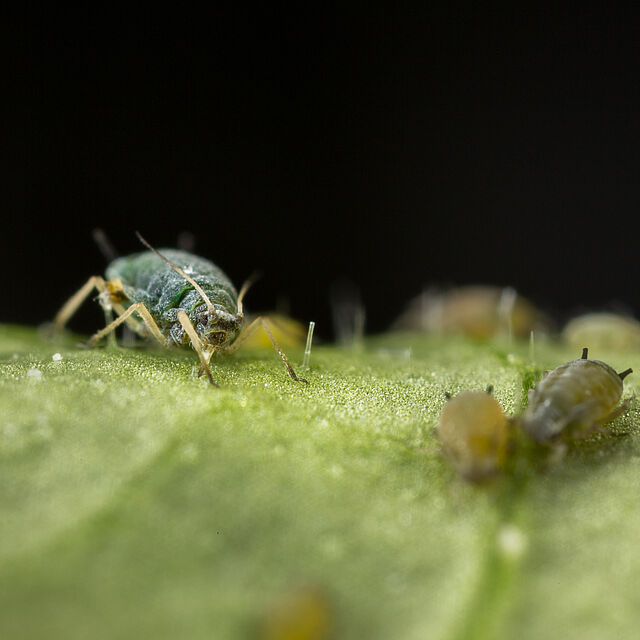
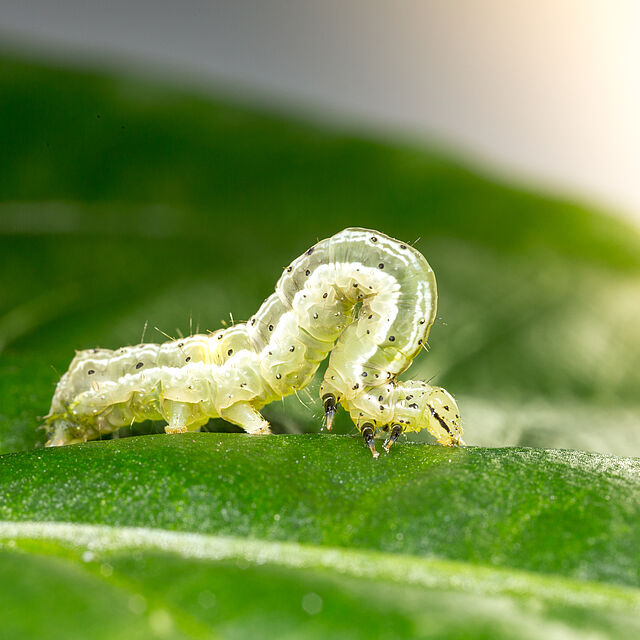
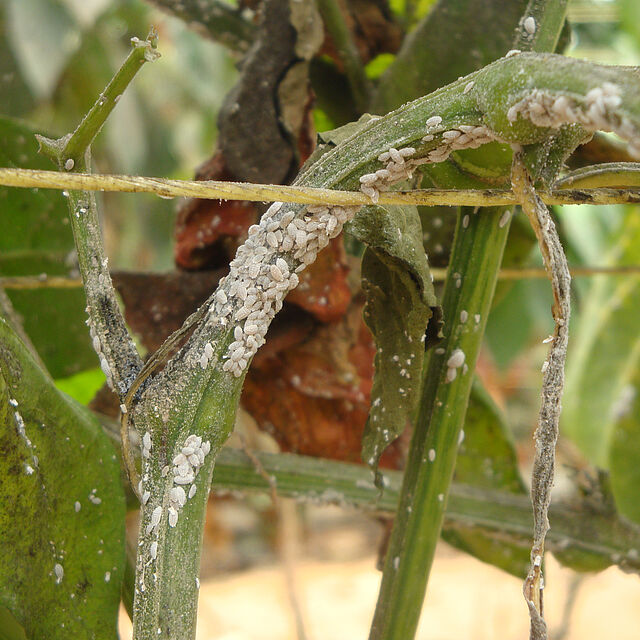
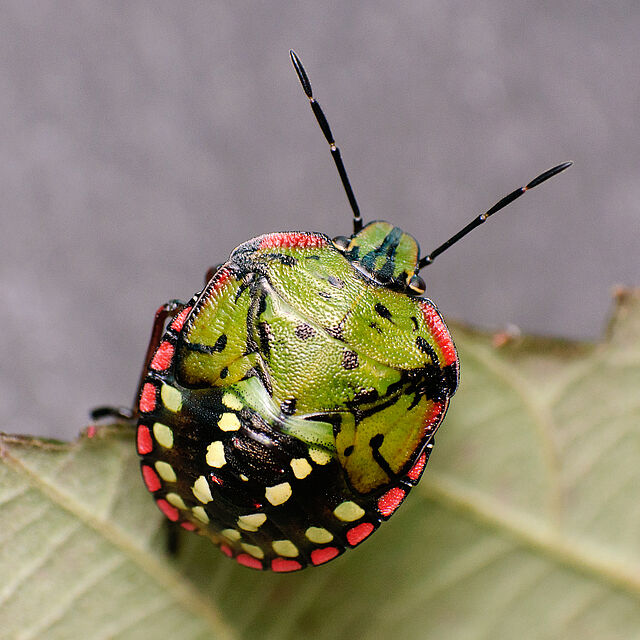
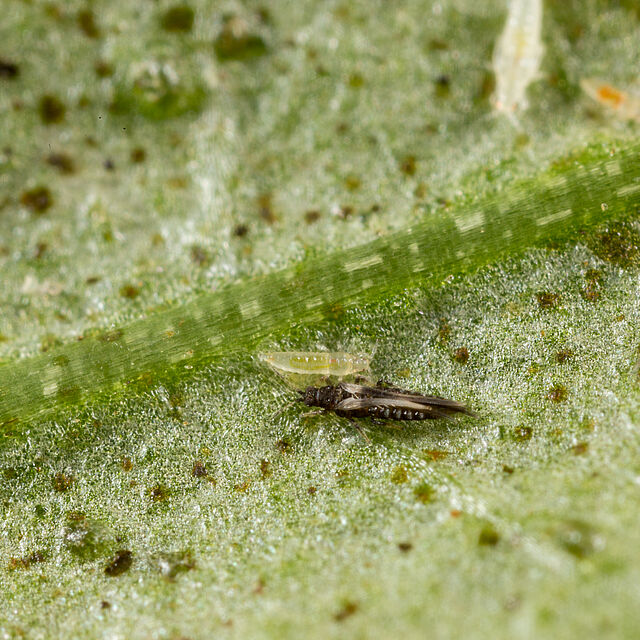
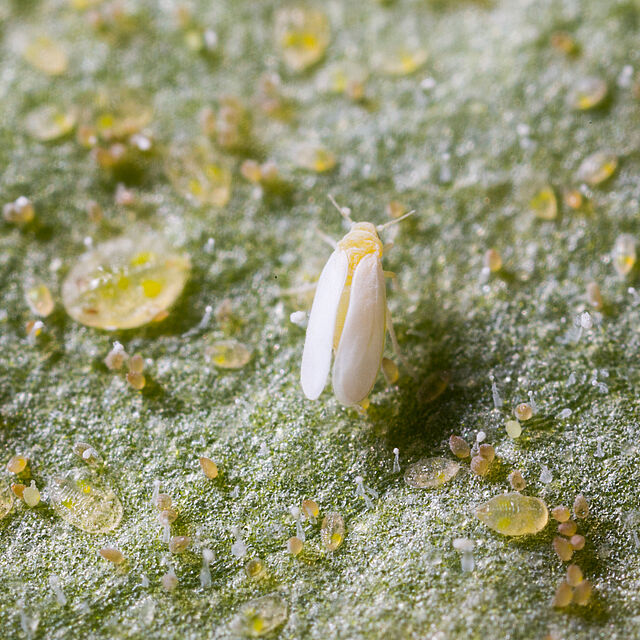
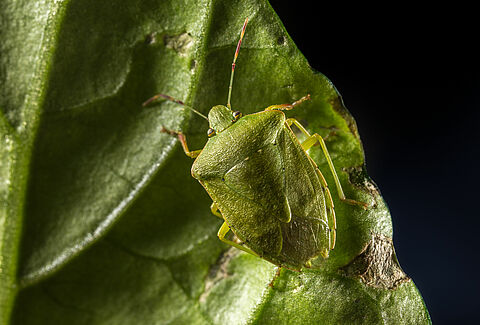
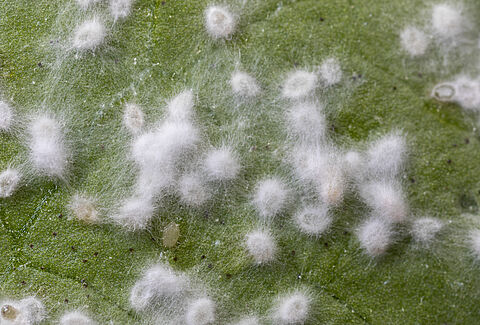
Integrated Pest Management (IPM) is a holistic approach to managing pests and diseases in sweet pepper cultivation, utilizing a combination of strategies to ensure crop health and sustainability. Biological pest control methods are integral to IPM practices, leveraging natural enemies to regulate populations of common pests such as aphids, caterpillars, mealybugs, spider mites, thrips, whitefly, and stink bugs. These beneficial organisms, including predatory mites, predatory insects, parasitic wasps, and beneficial microorganisms, help maintain pest populations at manageable levels, reducing the need for chemical pesticides and minimizing environmental impact. Additionally, biological disease control focuses on preventing and managing diseases such as Fusarium wilt, Phytophthora blight, powdery mildew, and Pythium root rot. By incorporating cultural practices, resistant varieties, and biological agents like Trichoderma harzianum growers can suppress soil-borne pathogens and enhance sweet pepper resistance to diseases. This integrated approach to pest and disease management promotes sustainable agriculture practices while safeguarding sweet pepper crops against potential threats.