Thrips
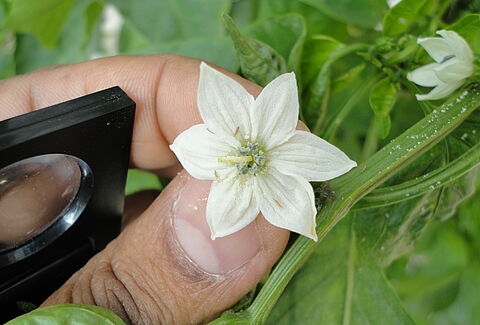
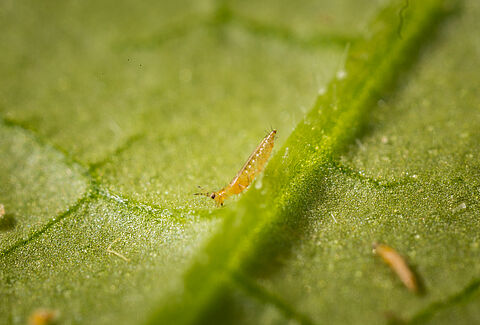
Thrips are a common pest in lime crops, and several species pose a threat to their cultivation. Among these species are Chilli thrips (Scirtothrips dorsalis), Western flower thrips (Frankliniella occidentalis), and Blossom thrips (Frankliniella insularis). Thrips are small insects that feed on the leaves and flowers of lime trees, causing damage to the foliage and affecting overall plant health. Scirtothrips dorsalis, also known as the Chilli thrips, is particularly problematic as it can cause significant damage to lime crops by feeding on young leaves and fruits. Western flower thrips (Frankliniella occidentalis) and Blossom thrips (Frankliniella insularis) are widespread pests that infest lime crops and can transmit viruses to the plants. Thrips infestations can result in reduced fruit quality, stunted growth, and distorted leaves.
Psyllids
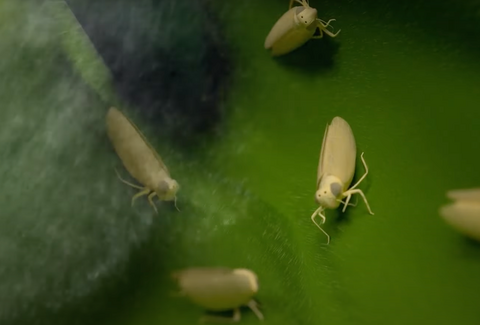
Psyllids are a significant concern in lime crops, with one prominent species being Diaphorina citri. Diaphorina citri, also known as the Asian citrus psyllid, is a notorious pest that poses a serious threat to lime trees. These tiny insects feed on the sap of lime leaves and stems, causing damage and weakening the overall health of the plant. However, the most significant concern associated with Asian citrus psyllid (Diaphorina citri) is its role as a vector for a disease called Huanglongbing (HLB), also known as citrus greening. HLB is a bacterial disease that affects citrus trees, including lime trees, and can cause severe damage to the fruit, leading to reduced yield and quality. Controlling Asian citrus psyllid populations is crucial in managing the spread of HLB and protecting lime crops from the devastating effects of this disease.
Spider mites and other pest mites
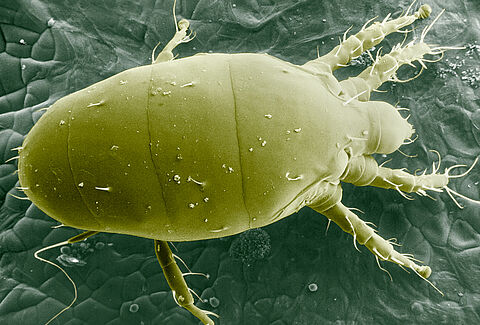
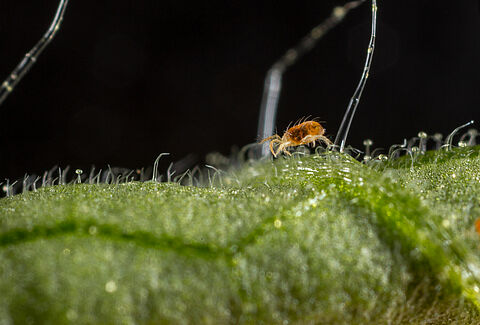
Pest mites pose a significant threat to lime crops, with several species causing damage and reducing the productivity of the trees. One of the most common mite species affecting lime crops is Tetranychus urticae, also known as the two-spotted spider mite. These tiny arachnids feed on the foliage of lime trees, causing stippling and discoloration of the leaves, which can lead to reduced photosynthesis and overall plant vigor. Another troublesome mite species is Polyphagotarsonemus latus, commonly referred to as the broad mite. These mites are extremely small and difficult to detect with the naked eye, but their damage is evident in distorted and stunted growth of lime leaves and shoots. Phyllocoptruta oleivora, known as the citrus rust mite, is another pest mite species that infests lime crops. These mites cause rust-colored lesions on the leaves and fruit, affecting their quality and market value.
Mealybugs and scales
Mealybugs pose a significant threat to lime crops, with one of the most notorious species being Planococcus citri, commonly known as citrus mealybug. These tiny insects are covered in a waxy, cotton-like substance, which provides them protection and makes them difficult to control. Citrus mealybugs feed on the sap of lime trees, sucking out vital nutrients and weakening the plants. Their feeding activity can lead to stunted growth, yellowing of leaves, and even premature leaf drop. Additionally, mealybugs excrete honeydew, a sticky substance that attracts ants and promotes the growth of black sooty mold, further compromising the health of lime trees.
Ants
Certain types of ants, such as Argentine ants (Linepithema humile) and black garden ants (Lasius niger), can become pests in lime crops. These ants are attracted to the sweet honeydew secreted by sap-feeding insects like mealybugs. They protect these pests from predators and parasites, allowing their populations to increase. This mutualistic relationship between ants and sap-feeding insects can lead to higher infestations and damage to lime trees. Additionally, ants may construct nests near lime trees, potentially disrupting the root system and affecting the overall health of the plants.
Effective management of these pests is critical to ensure a healthy and productive lime crop.