Integrated Pest Management (IPM) in lemon

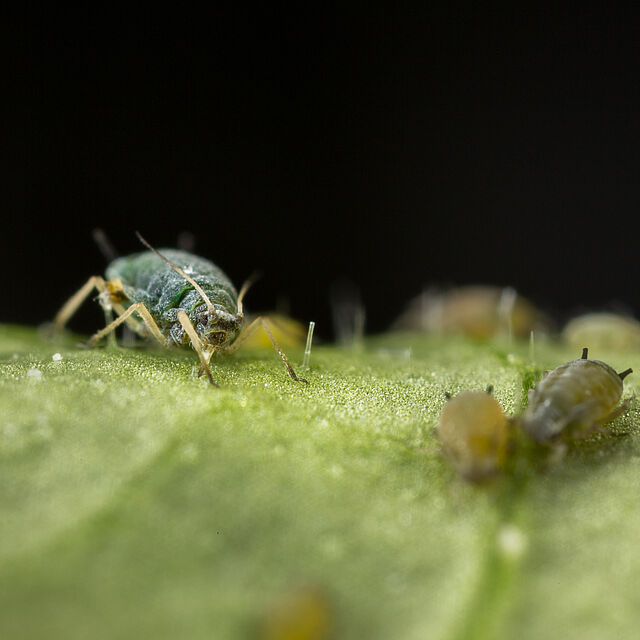
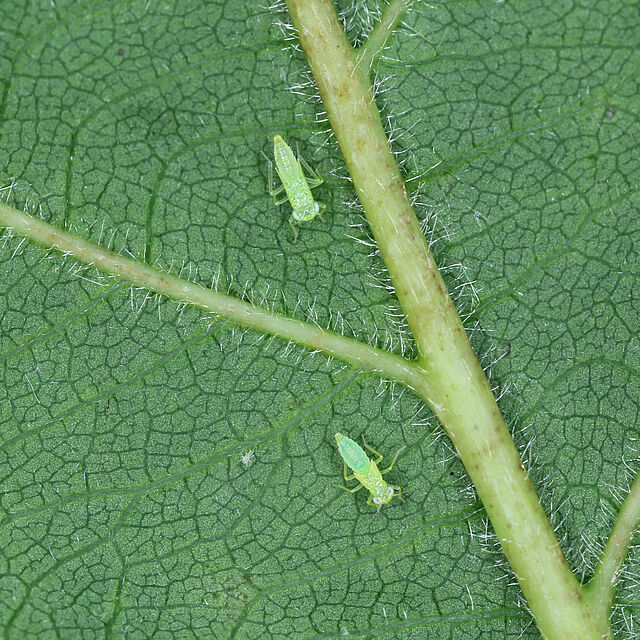
In the cultivation of lemon crops, a range of pests and diseases threaten yields and compromise fruit quality. Common pests and diseases in lemon cultivation are aphids, leaf miners, leafhoppers, caterpillars and moths, spider mites, thrips, weevils, whiteflies, and bacterial diseases.
IPM focuses on using a combination of methods to manage pest populations, which includes pest monitoring, cultural practices, biological control, and targeted pesticide applications. By using non-chemical methods and reducing the use of pesticides, growers can limit their exposure to harmful chemicals and minimise the negative impact on the environment.
Various beneficial organisms can be used for the biological control of pests in lemon crops. These beneficials include parasitic wasps, predatory mites, predatory insects, beneficial nematodes and beneficial micro-organisms. These natural enemies feed on pests or infect them, reducing their numbers and preventing them from causing significant damage to the crops.
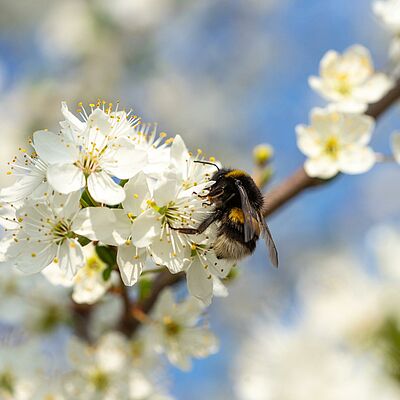
Bumblebee pollination also contributes to integrated pest management (IPM) practices. Utilizing bumblebees contributes to sustainable pest control and enhances the overall well-being of lemon crops by encouraging growers to reduce reliance on synthetic pesticides.