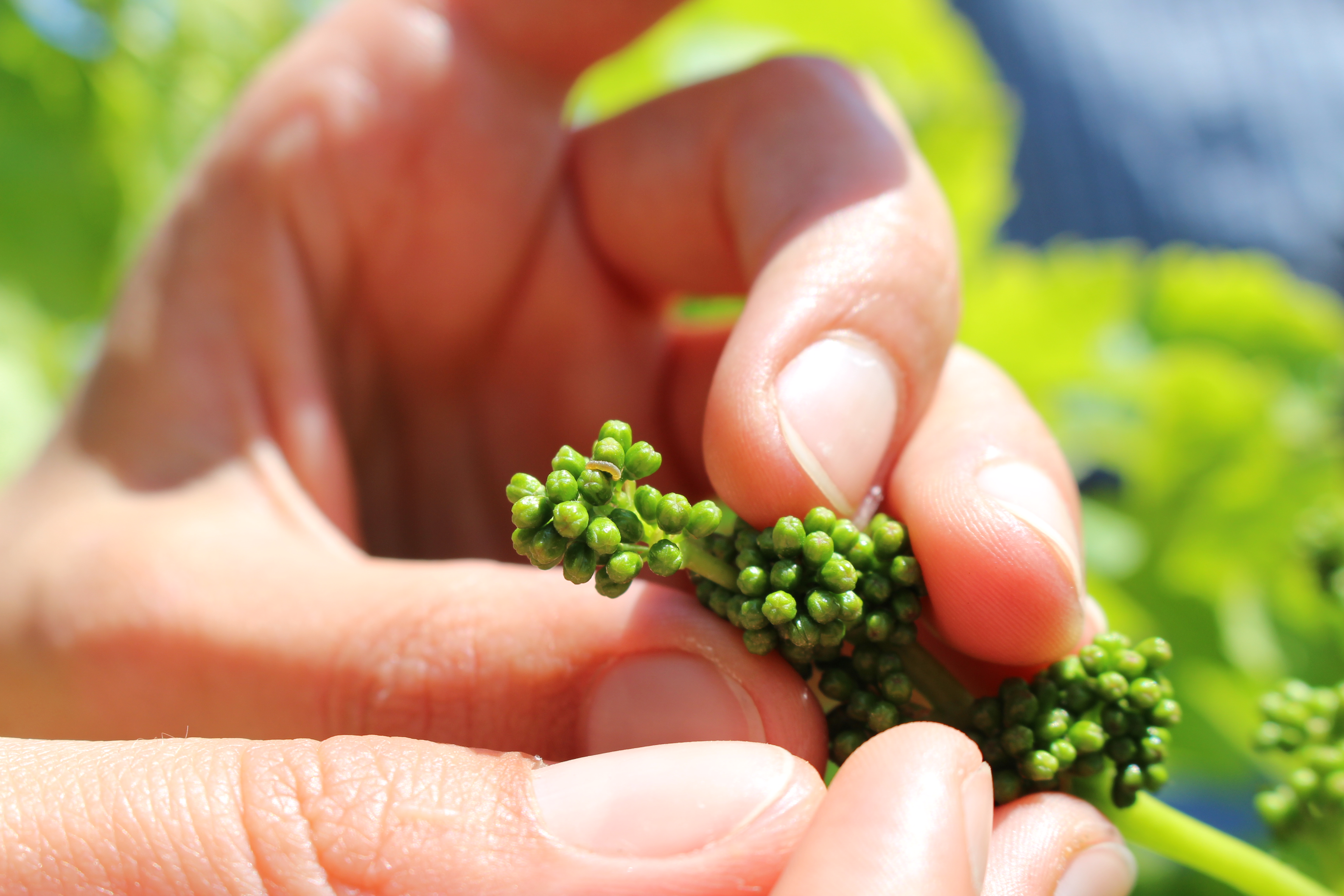
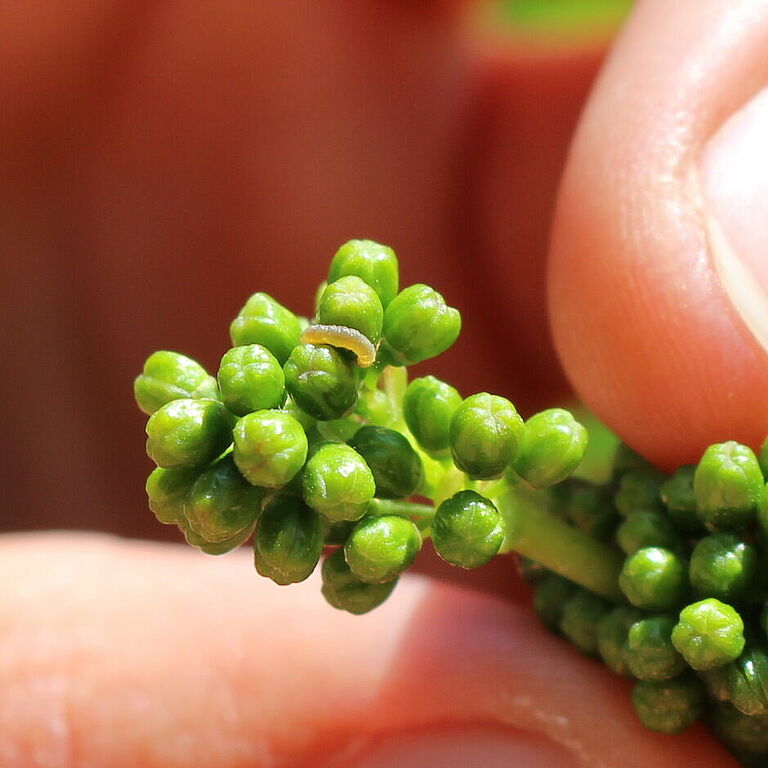
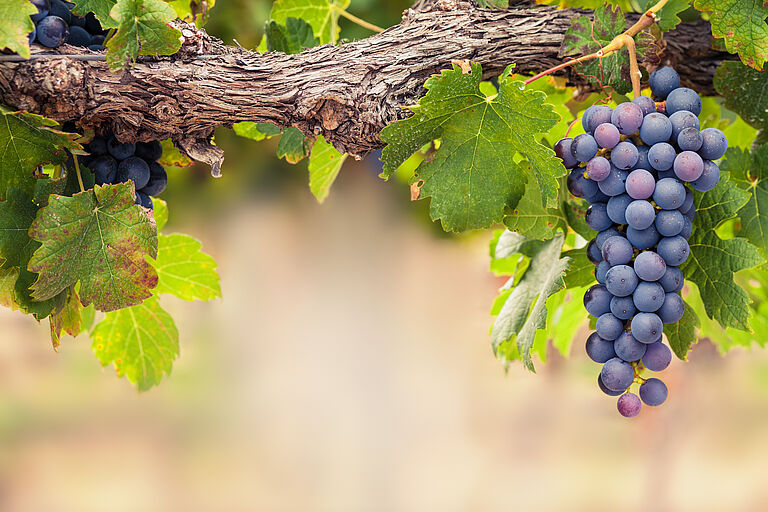
Lepidopterans, a group of insects that includes various moths, can be troublesome pests in grape cultivation. Their voracious larvae, known as caterpillars, feed on grape leaves, clusters, and even grapevine buds, causing significant damage to the foliage and fruit. This feeding damage can result in defoliation, reduced photosynthesis, and decreased grape yield.
The European vine moth (Lobesia botrana), is a prominent pest in the world of grape cultivation, causing significant concerns for grape growers. The moth's larvae, upon hatching, tunnel into grape clusters, feeding on the fruit pulp and causing damage that can lead to economic losses and reduced grape quality.
Caterpillar control in grape vineyards
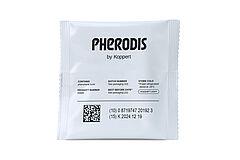
The combination of species-specific pheromones (Pherodis), with sticky traps like Deltatrap, contribute to the control of the European Grapevine Moth (Lobesia botrana) in grape cultivation through a targeted and environmentally friendly approach. The pheromones released by Pherodis mimic the natural sex attractants produced by female European Grapevine Moths, thereby attracting and luring male moths to the vicinity of the traps. Once in close proximity to the traps, the male moths become trapped by the sticky adhesive of the Deltatrap, preventing them from mating with female moths and disrupting the moth's reproductive cycle. By reducing the number of male moths able to fertilize females, this method significantly decreases the overall population of European Grapevine Moths in the vineyard, effectively controlling their numbers and minimizing damage to grape crops. Moreover, the use of species-specific pheromones combined with sticky traps is a non-toxic and selective method that does not harm beneficial insects or pose risks to the environment, making it a sustainable and eco-friendly approach to pest management in grape cultivation.