Integrated Pest Management (IPM) in apple
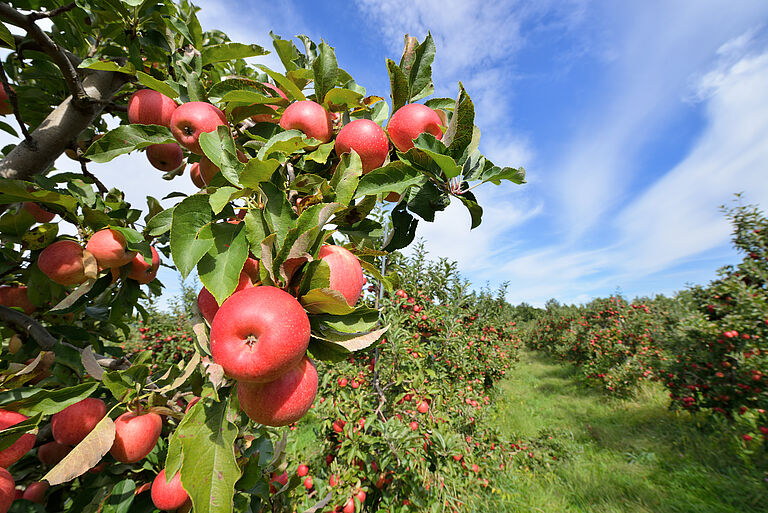
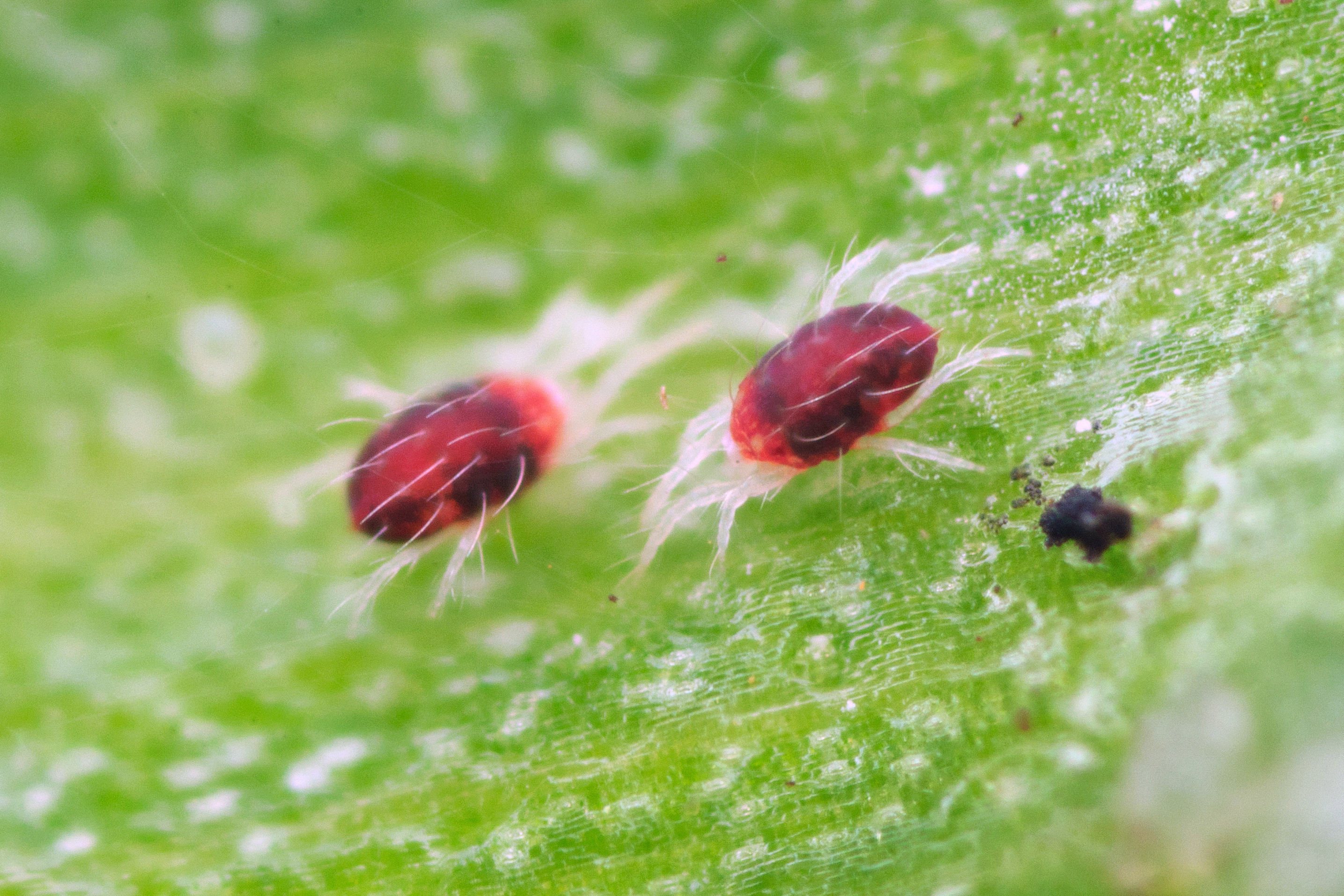
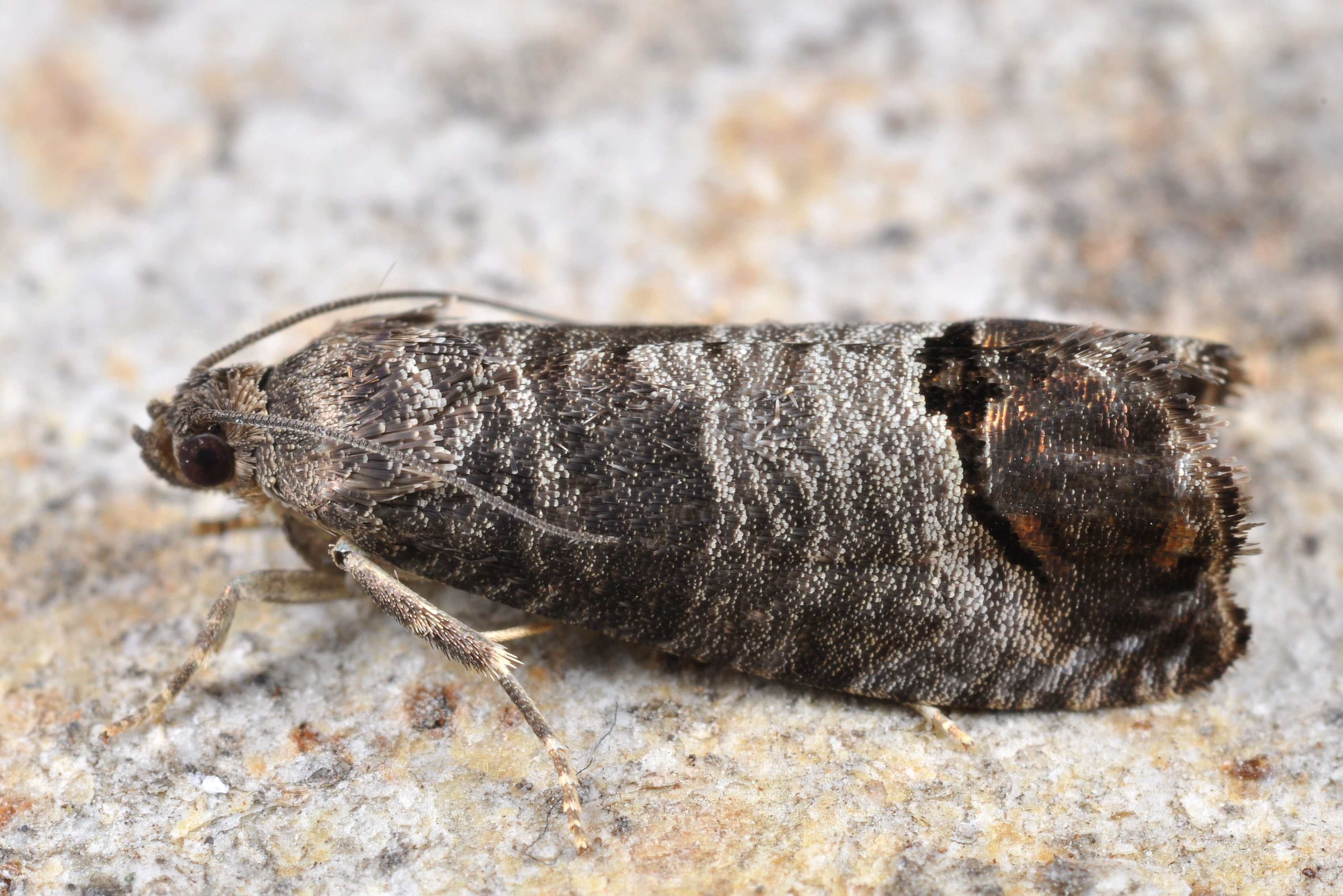
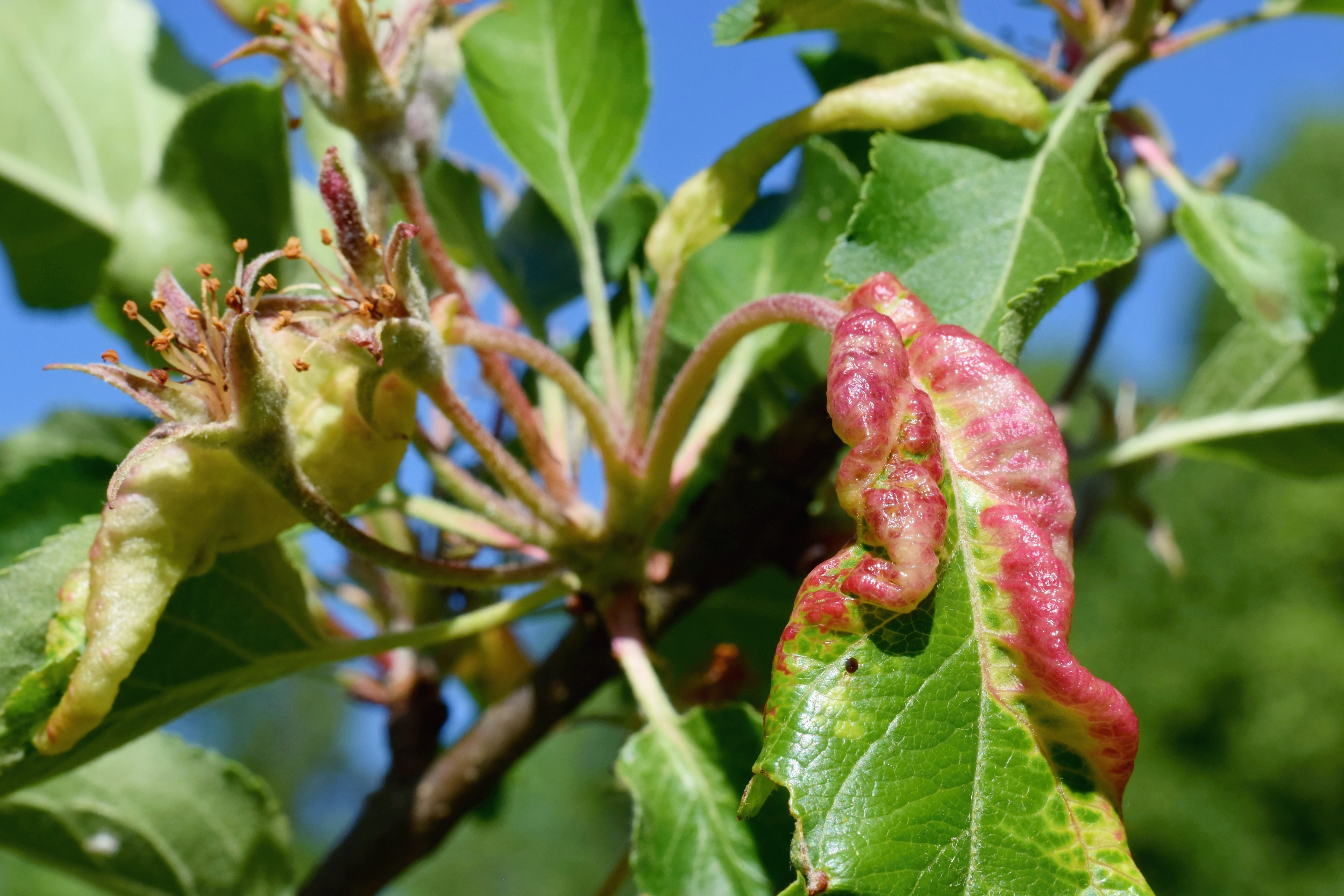
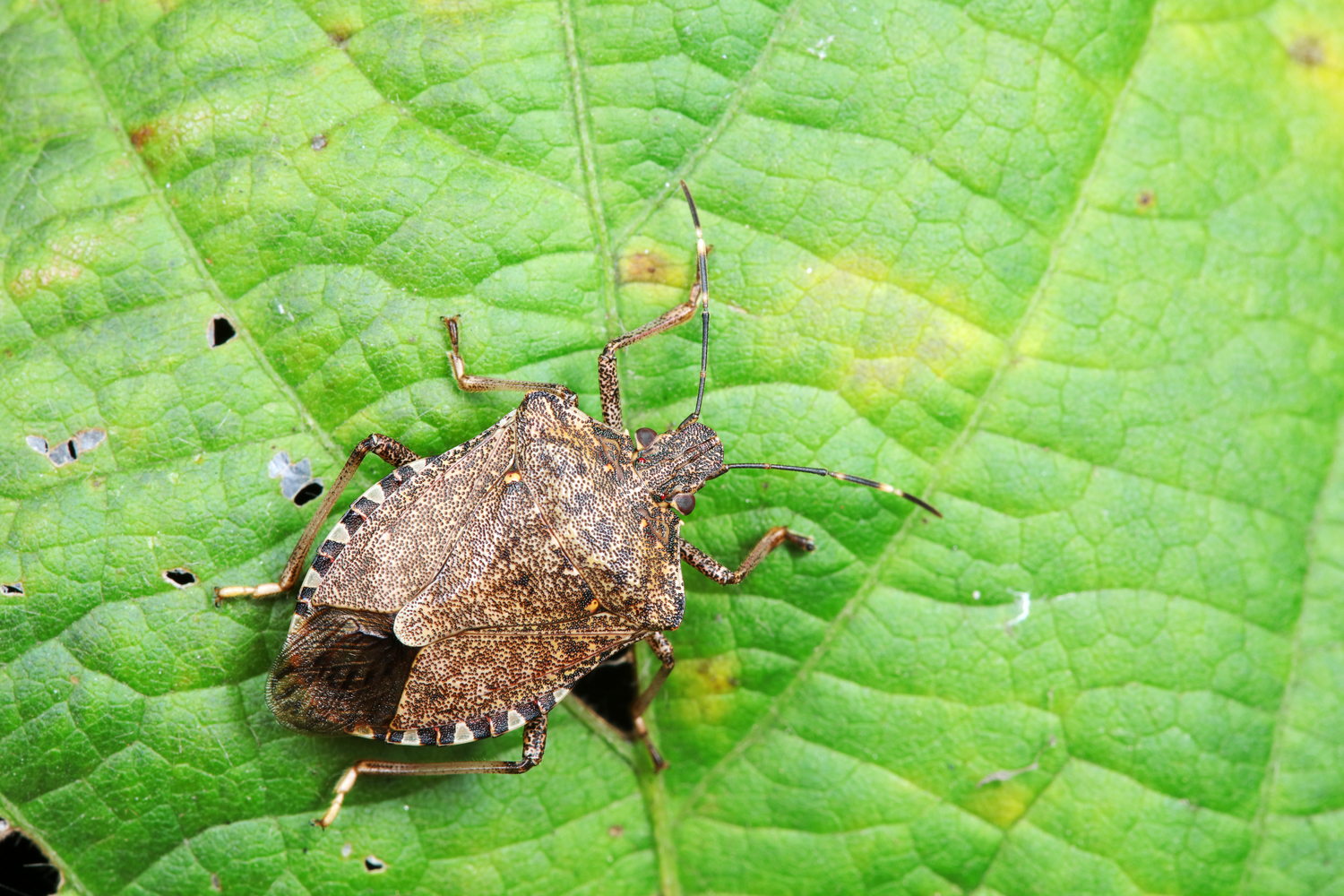
IPM, or Integrated Pest Management, is vital in apple cultivation due to the susceptibility of apple orchards to various pests and diseases. Pests and diseases in apple cultivation can influence both the quantity and quality of the harvest. Among the key pests in apple orchards are spider mites, sawflies, caterpillars and moths, aphids, stink bugs and psyllids. Common diseases in apple cultivation are powdery mildew, apple scab, stemphylium, apple blossom blight and apple canker.
By employing IPM strategies, apple growers can control pest populations and disease outbreaks more effectively while reducing reliance on chemical pesticides. This approach not only helps to maintain the health and productivity of apple trees but also minimizes environmental harm by targeting specific pests and minimizing non-target effects. Additionally, IPM promotes sustainable growing practices by integrating cultural, biological, and chemical control methods in a balanced and environmentally responsible manner, ensuring the long-term viability of apple orchards.
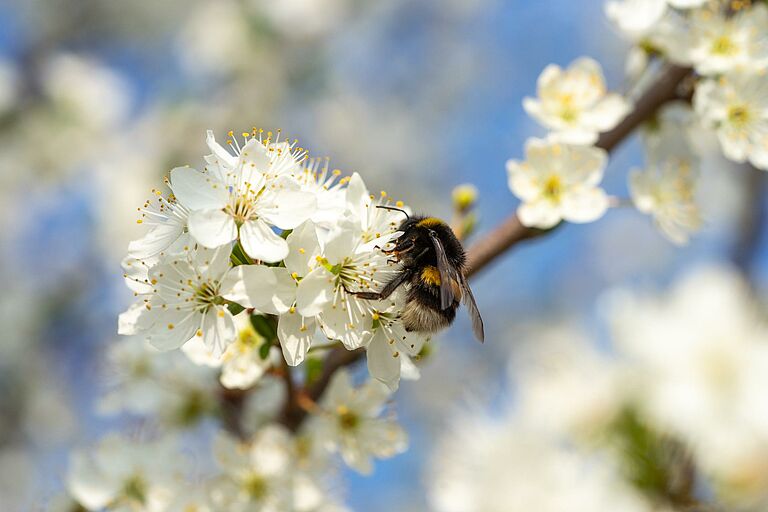
Bumblebee pollination is another crucial aspect in apple orchards because bumblebees are highly efficient pollinators that help ensure optimal fruit set and quality. Their unique buzzing behavior dislodges pollen from the apple blossoms, facilitating cross-pollination between different apple varieties and improving fruit yield. Bumblebees also visit apple flowers more frequently than other pollinators, enhancing pollination efficiency and reducing the risk of incomplete pollination or fruit deformities. Additionally, bumblebee pollination increases fruit size, uniformity, and overall quality, ultimately contributing to higher yields and better economic returns for apple growers.