
Skip to content

Biological solutions for Soybean

Filters:
Clear all filters
Show all Show less
products found:

Questions or need help?

Find a reseller
  • Easy to use
  • Minimal resistance
  • No chemical residues
  • No pre-harvest intervals

Learn more about

Integrated Pest Management in soybean cultivation

In soybean cultivation, Integrated Pest Management (IPM) serves as a comprehensive approach to pest and disease management, emphasizing sustainable practices to minimize chemical inputs and environmental impact. Biological pest control methods are integral to IPM strategies, involving the introduction of natural enemies such as predatory insects, parasitoids, and microbial agents to regulate pest populations. These beneficial organisms help control common soybean pests like aphids, thrips, and caterpillars, reducing the need for synthetic pesticides. Similarly, biological disease control in soybean cultivation involves utilizing beneficial microorganisms like Trichoderma spp. to suppress soil-borne pathogens and enhance plant resilience against diseases such as root rot and damping-off.

Furthermore, bumblebee pollination plays a vital role in soybean reproduction and yield optimization. Bumblebees are efficient pollinators that facilitate the transfer of pollen between soybean flowers, leading to improved fruit set and higher yields. By integrating these biological control methods and promoting bumblebee populations, soybean growers can achieve sustainable pest and disease management while enhancing crop productivity and environmental sustainability.
Pest control in soybean cultivation

Pest control is a critical aspect of soybean cultivation, as soybean crops are vulnerable to various pests that can cause significant damage and yield losses if left unmanaged.

  • Bean seed fly

    Bean seed flies (Delia platura) are small flies whose larvae feed on germinating soybean seeds, causing seedling injury and reduced stand establishment. Infestations can lead to patchy emergence and yield losses in soybean fields.

    Control bean seed fly in soybean

    The beneficial nematode Steinernema feltiae, (Capirel), effectively controls bean seed fly. When applied, Steinernema feltiae infects the larvae of the bean seed fly. The nematodes penetrate the larvae and release symbiotic bacteria into their body cavity. These bacteria multiply rapidly, causing septicemia and death of the bean seed fly larvae within a few days. Steinernema feltiae nematodes actively seek out their insect hosts in the soil, making them effective biocontrol agents against pests like the bean seed fly. This biological control method offers an environmentally friendly and sustainable approach to managing bean seed fly populations in agricultural settings.

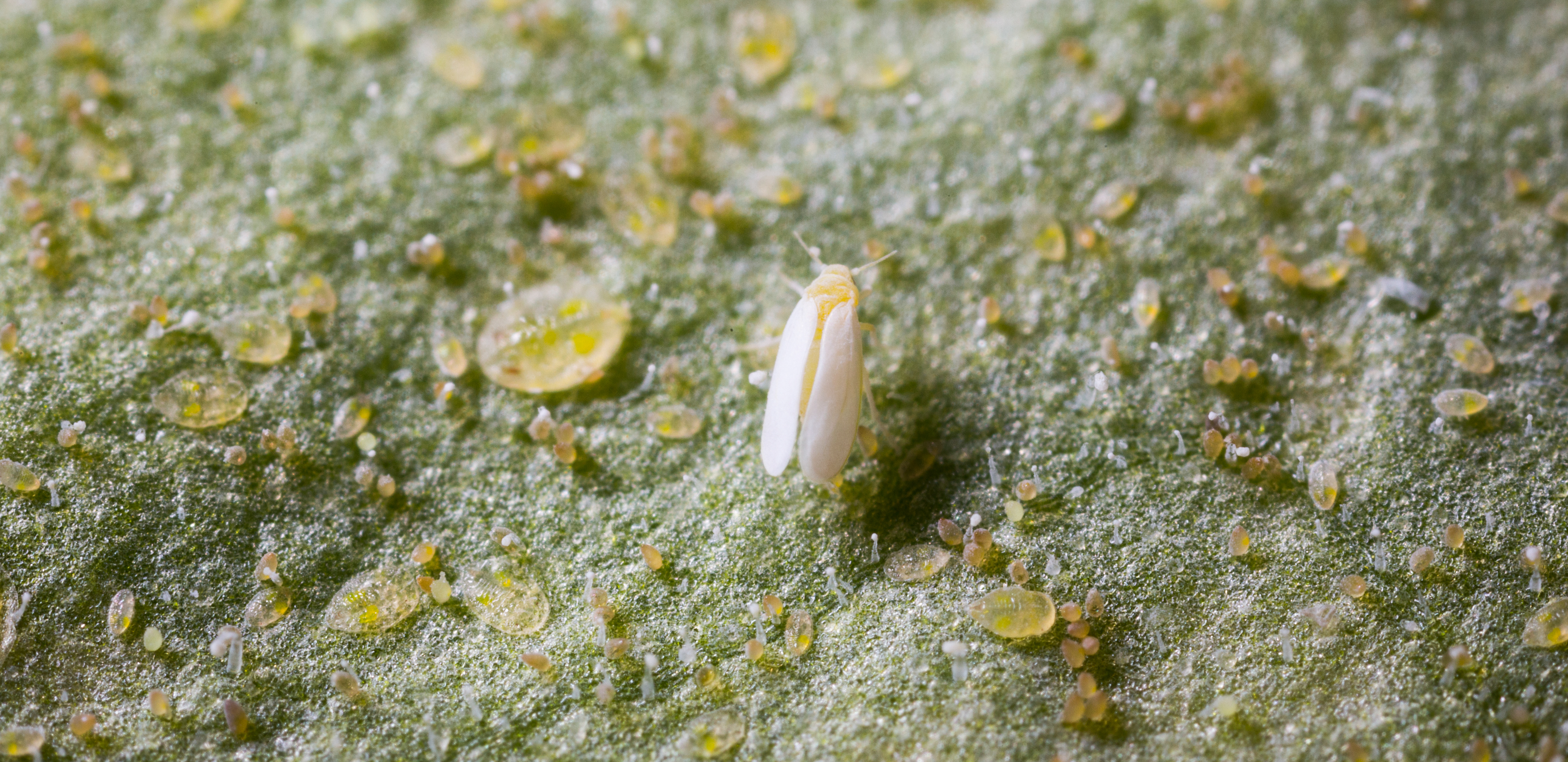
  • Whitefly

    Whiteflies (Bemisia tabaci) are small, winged insects that feed on sap from soybean leaves, causing yellowing, wilting, and reduced plant vigor. They also excrete honeydew, promoting the growth of sooty mold and reducing photosynthesis.

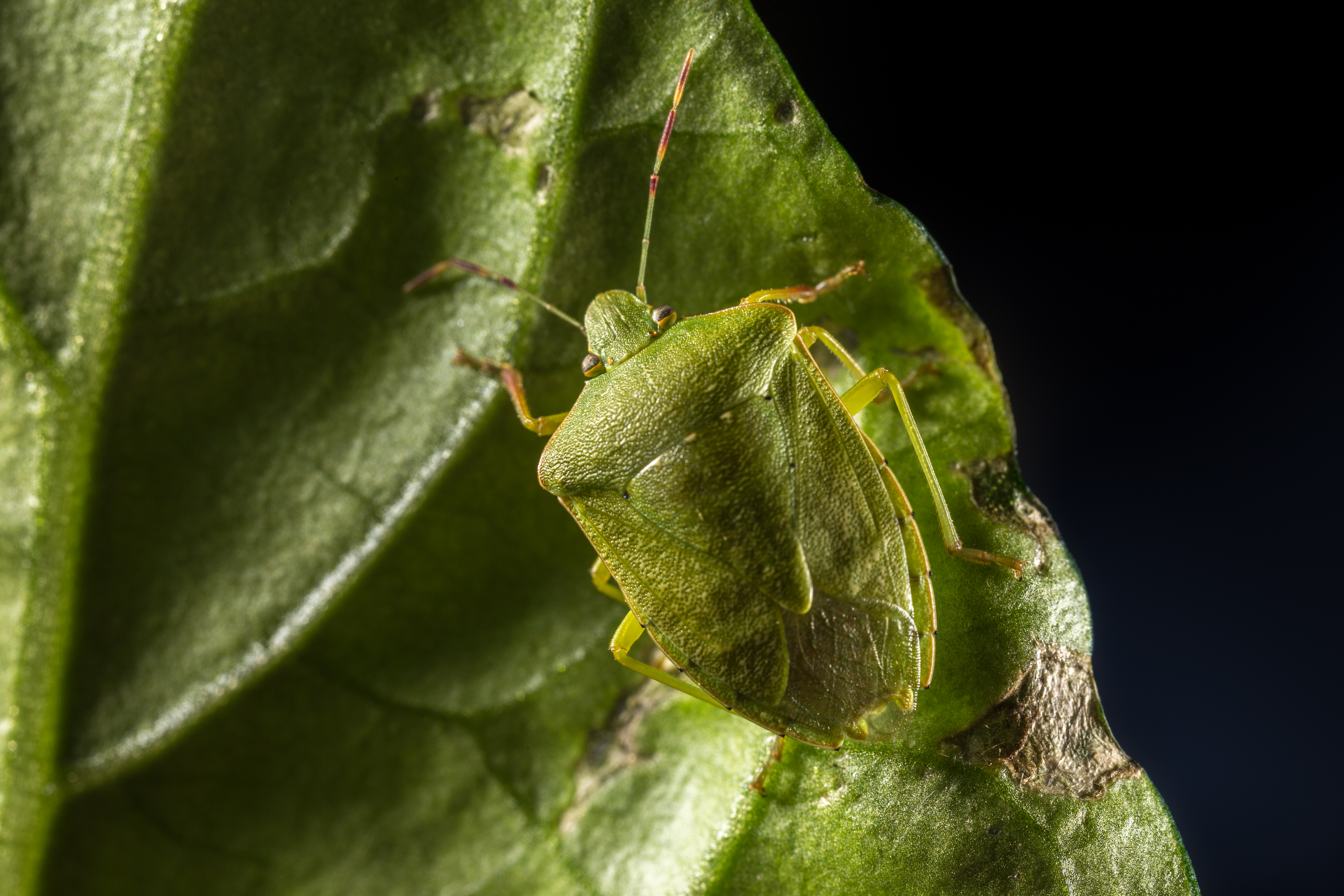
  • Stink bugs

    Various species of stink bugs, including the Southern green stink bug (Nezara viridula) and brown stink bug (Euschistus servus), feed on soybean pods, seeds, and developing beans. Their feeding can cause seed damage, shriveled beans, and reduced yield quality.

  • Japanese beetle

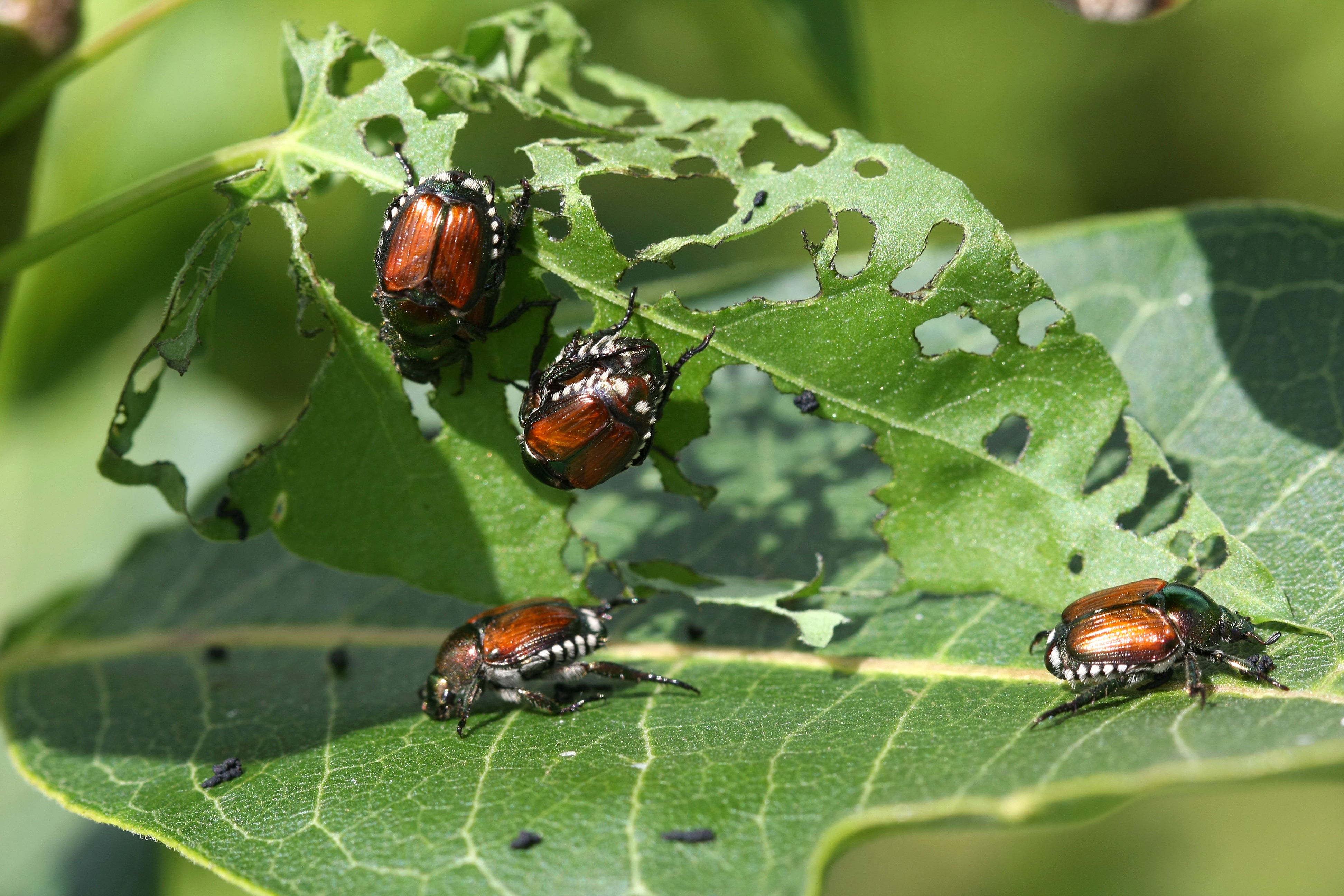
    Japanese beetle (Popillia japonica) adults feed on soybean leaves, resulting in skeletonized foliage and reduced plant vigor. Larvae feed on soybean roots, increasing susceptibility to drought and other stresses.

    Control Japanese beetle in soybean

    The beneficial nematode Steinernema feltiae (Capirel) serves as a biological control agent against Japanese beetles (Popillia japonica) in soybean crops. Steinernema feltiae is an entomopathogenic nematode that targets soil-dwelling pests like Japanese beetles during their larval stage. When applied, Steinernema feltiae actively seeks out Japanese beetle larvae. Once in contact, the nematodes penetrate the larvae and release symbiotic bacteria into their bodies. These bacteria rapidly multiply, causing septicemia and eventual death of the Japanese beetle larvae within a few days. By effectively reducing the population of Japanese beetle larvae, Capirel helps to minimize damage to soybean roots and foliage caused by these pests. This biological control method offers an environmentally friendly and sustainable approach to managing Japanese beetle populations in soybean fields, without the need for chemical pesticides.

  • Corn earworm

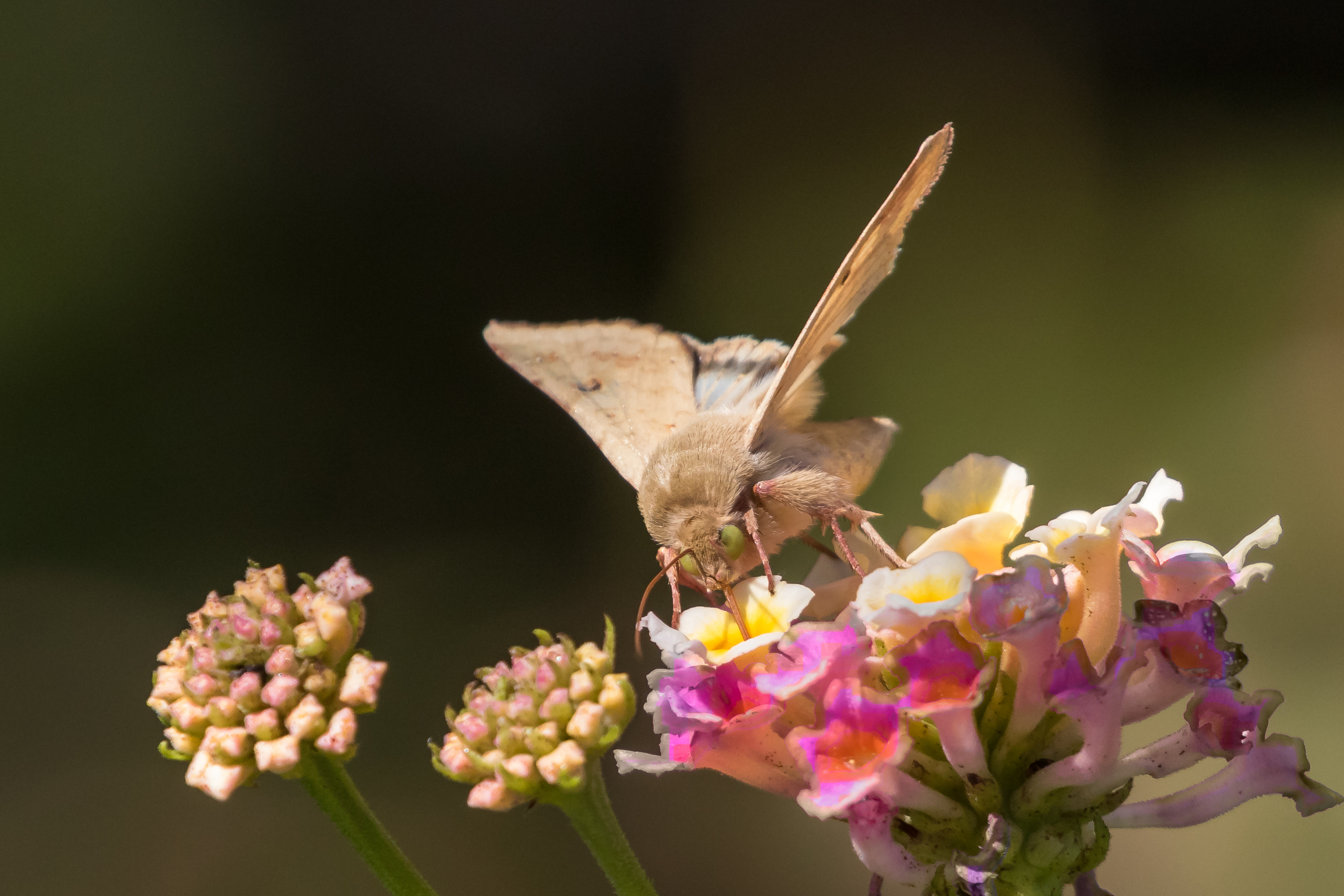
    Corn earworm (Helicoverpa zea) larvae occasionally feed on soybean pods, causing damage and reducing seed quality. Their presence can lead to economic losses, particularly in late-planted or late-maturing soybean fields.

Disease control in soybean

Disease control is essential in soybean cultivation, as soybean crops are susceptible to a multitude of diseases that can undermine yield potential and quality. Fungal, bacterial, and viral pathogens pose constant threats to soybean health, manifesting in symptoms such as leaf spots, root rots, wilting, and reduced vigor.

  • Rhizoctonia

    Rhizoctonia (Rhizoctonia solani, now referred to as Thanatephorus cucumeris) is a soilborne fungal pathogen that can cause various diseases in soybean crops. One of the most common diseases associated with Rhizoctonia is root rot, where the fungus infects the roots of soybean plants, causing them to become discolored, necrotic, and decayed. As a result, infected plants may exhibit stunted growth, wilting, and reduced vigor. In severe cases, Rhizoctonia infection can lead to stand reductions and significant yield losses. Additionally, Rhizoctonia can also cause stem canker, where lesions develop on the stems of soybean plants, hindering nutrient transport and weakening the plant structure.

    Control Rhizoctonia in soybean

    The beneficial fungus Trichoderma harzianum T-22 (Trianum-P, Trianum-G) employs diverse tactics to control Rhizoctonia in soybean crops. Initially, it competes effectively for space on the root surface, outstripping other fungi and hindering their establishment. Additionally, Trianum competes for nutrients, stripping Rhizoctonia pathogens of vital resources essential for their growth. Furthermore, it grows around the mycelia of Rhizoctonia, causing the cells to break down and eventually demise.

    Moreover, Trianum strengthens the plant’s root system, fostering the growth of additional root hairs to enhance water and nutrient absorption. This results in a more robust crop with enhanced yields, especially in challenging growing conditions. Trianum also improves the plant's defense mechanisms, such as induced systemic resistance (ISR), while improving the availability of essential nutrients like manganese and iron.

  • Pythium

    Pythium is another common soilborne pathogen that poses a threat to soybean crops, particularly during early growth stages. Pythium infection can result in damping-off, where seedlings emerge from the soil but quickly collapse and die due to rotting of the seed or young roots. This disease is often favored by cool, wet conditions, making it prevalent in early spring or in fields with poor drainage. Pythium can also cause root rot in older soybean plants, leading to reduced nutrient uptake and impaired water absorption. Symptoms of Pythium infection include discolored and water-soaked roots, yellowing of foliage, and overall poor plant health.

    Control Pythium in soybean

    The beneficial fungus Trichoderma harzianum T-22 (Trianum-P, Trianum-G) controls Pythium in apple crops by using several defense mechanisms. Initially, it competes for space on the root surface, surpassing other fungi and impeding their establishment. Additionally, Trianum competes for nutrients, depriving Pythium pathogens of vital resources necessary for their development.

    Furthermore, it grows around the mycelia of Pythium, causing the cells to break down and eventually demise. Moreover, Trianum strengthens the plant by enhancing the root system, promoting the growth of additional root hairs to enhance water and nutrient absorption. This results in a more resilient crop with improved yields, especially in challenging growing conditions. Trianum also fortifies the plant's defense mechanisms, including induced systemic resistance (ISR), while enhancing the availability of essential nutrients such as manganese and iron.

Bumblebee pollination in soybean

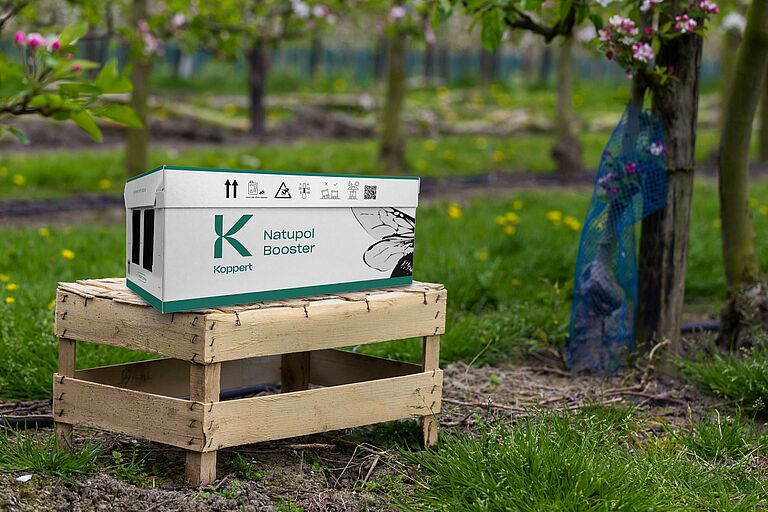
Bumblebee pollination plays a crucial role in soybean cultivation by enhancing pollination efficiency and ultimately improving crop yields. Soybeans, like many other legumes, depend on insect pollinators for successful fertilization and seed development. Bumblebees, with their large size, buzzing activity, and ability to "buzz pollinate" certain flowers, are highly effective pollinators for soybean plants. When bumblebees visit soybean flowers, they transfer pollen from one flower to another, facilitating fertilization and ensuring the production of healthy, fully-formed seeds. Improved pollination leads to increased pod set, more uniform seed development, and ultimately higher yields. By enhancing natural pollination processes, products like Natupol Booster contribute to maximizing soybean productivity, improving crop quality, and promoting sustainable agricultural practices.

About

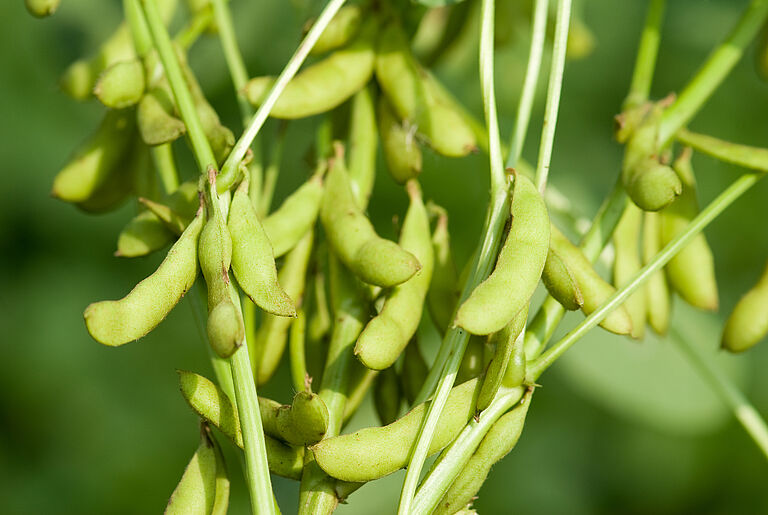
The soybean (Glycine max) (North America) or soya bean is a so-called legume and indigenous to East Asia. It is extensively cultivated for its edible beans.

The fruit of the plant is a hairy pod, that grows clustered in small bunches of three to five pods. Each pod measures between 3-8 centimetres long (1-3 inch) and contains two or four seeds that measure 5-11 mm in diameter. Soybean seeds vary greatly in size and the hull can be black or brown, but also blue, yellow or green.

When planting soybean plants, there is considerably more protein produced per acre than when planting other crops. Major producers of soybeans are Argentina, Brazil and the United States. Soybeans are now an important global crop can be used as food crop, but also provide oil and are a major source of protein.

Need help?