


Skip to content

Biological solutions for Potato

Filters:
Clear all filters
Show all Show less
products found:

Questions or need help?

Find a reseller
  • Easy to use
  • Minimal resistance
  • No chemical residues
  • No pre-harvest intervals

Learn more about

Integrated pest management (IPM) in potato
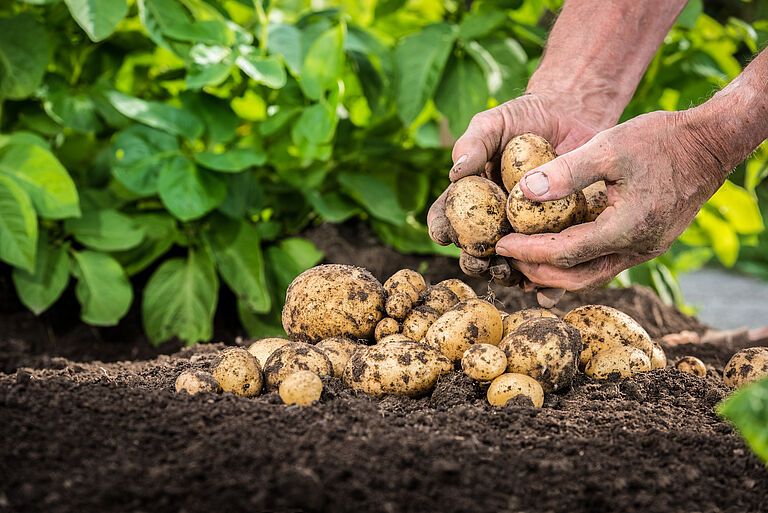
Integrated Pest Management (IPM) and biological crop protection play a pivotal role in the sustainable and productive cultivation of potatoes. These approaches are crucial in addressing the multifaceted challenges posed by various pests and diseases that can severely impact potato crops. Pests that appear in potato crops are spider mites, beetles, wireworms, aphids and plant-parasitic nematodes. By combining IPM strategies and biological control methods, potato growers can reduce their reliance on chemical pesticides while effectively managing pests and diseases. This not only promotes the long-term health of the potato plants but also contributes to the overall sustainability of potato farming.
Potato pests

  • Spider mites

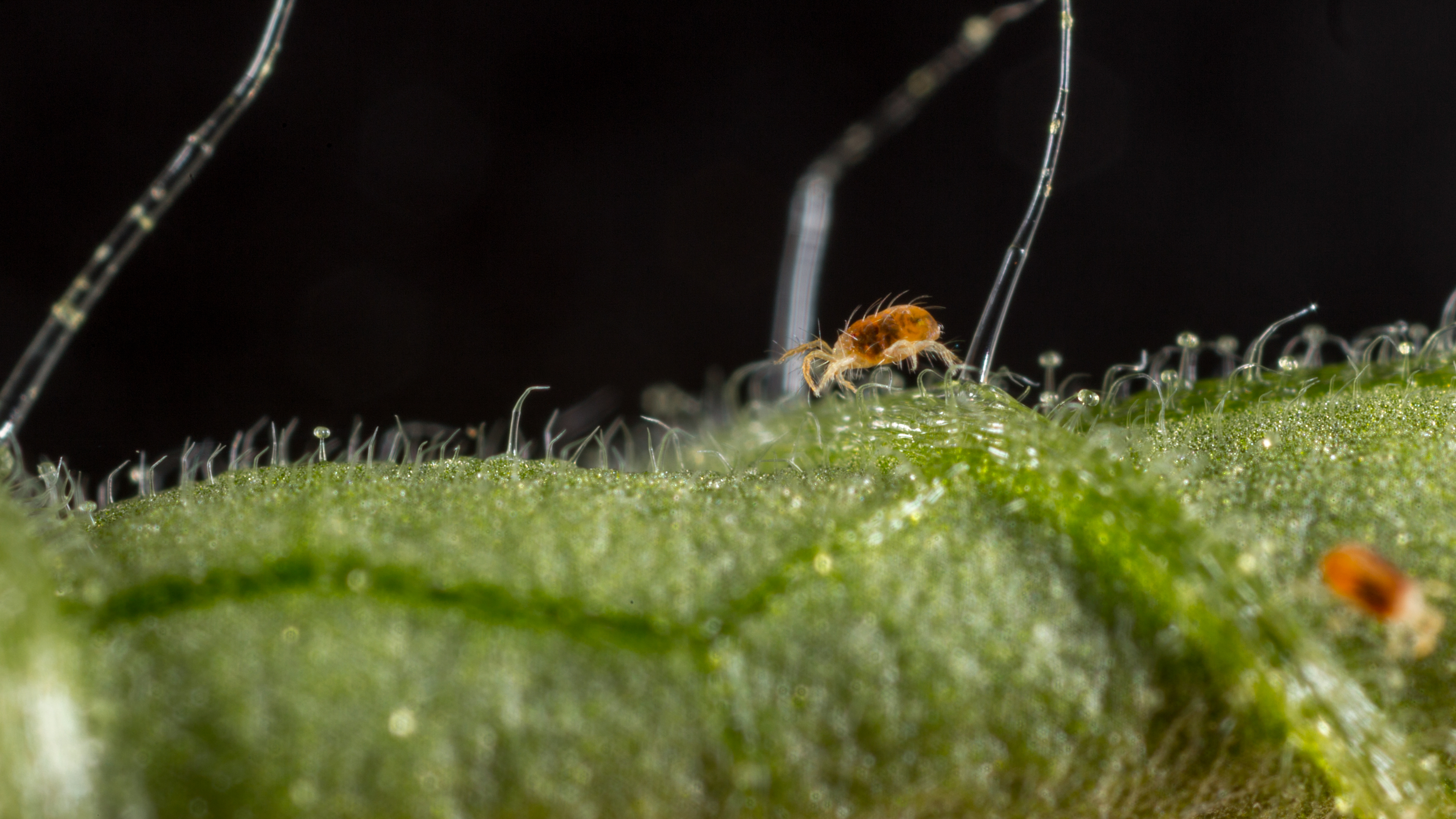
    Spider mites represent a significant pest challenge in potato cultivation. These tiny arachnids, often including species like the two-spotted spider mite (Tetranychus urticae), pose a considerable threat to potato plants. They feed on the undersides of leaves, puncturing plant cells and extracting their contents, which leads to stippling, bronzing, and webbing on the foliage. As the infestation progresses, spider mites can severely damage potato crops, reducing photosynthetic efficiency and potentially impacting tuber quality and yield.

    Spider mite control in potato

    The predatory mite Neoseiulus californicus, also known as Spical Ulti-Mite, controls spider mites in potato by predating on them. Its rapid life cycle allows it to keep up with spider mite reproduction rates, effectively reducing their population. Predatory mites multiply in the sachet and disperse into the crop over a period of several weeks. They pierce the prey with their sucking mouthparts and suck out the contents.

  • Beetles

    The Colorado potato beetle (Leptinotarsa decemlineata) is a notorious pest that poses a significant threat to potato crops. This voracious beetle, with its distinctive yellow and black stripes, defoliates potato plants rapidly. Adult beetles and their larvae feed on the foliage, causing extensive damage and reducing photosynthetic capacity.

  • Wireworms

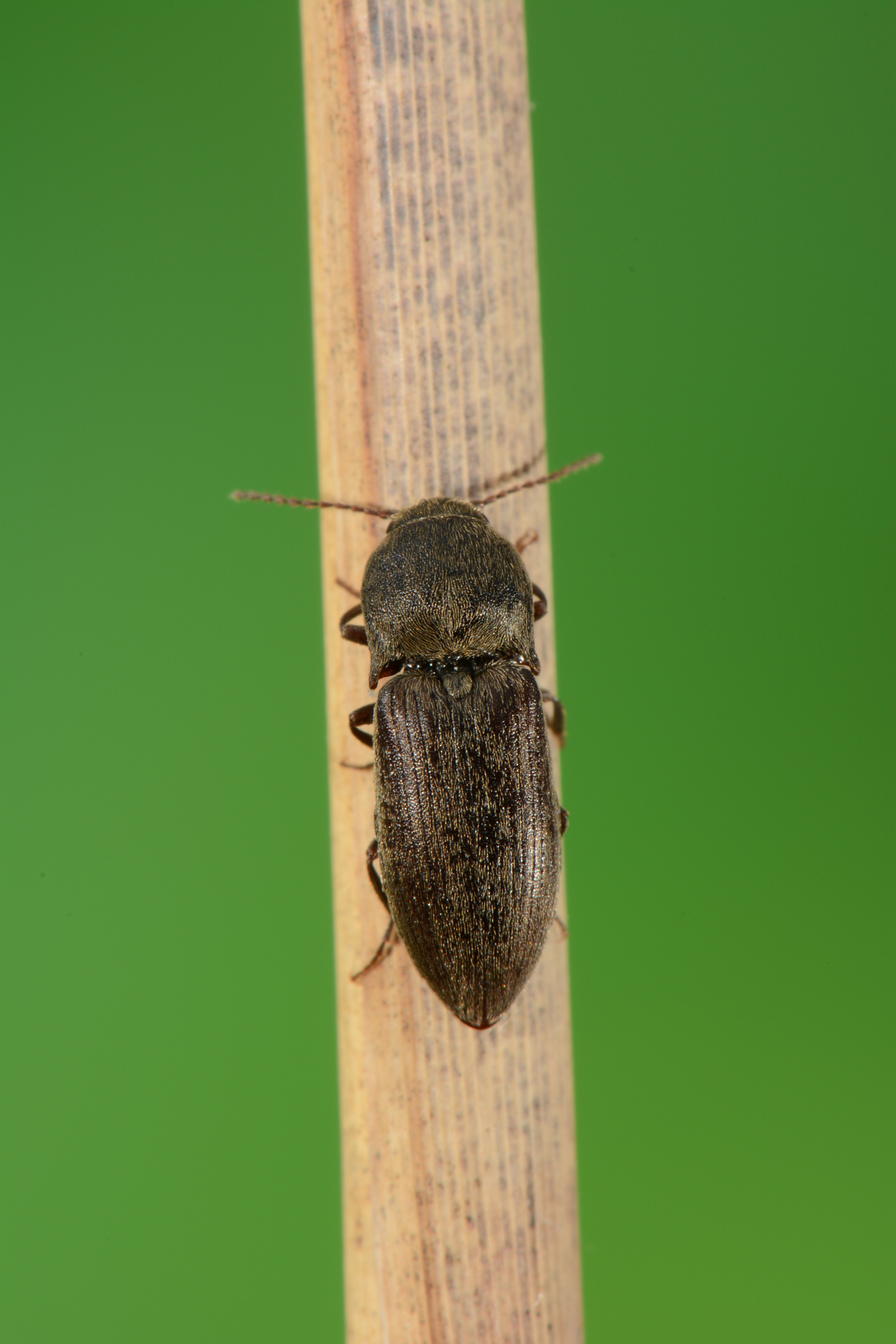
    Wireworms, the soil-dwelling larvae of click beetles, are a persistent and damaging pest in potato cultivation. These slender, wire-like insects can cause significant harm to potato crops by feeding on tubers, roots, and underground stems. The damage inflicted by wireworms can lead to reduced tuber quality and yield.

    Control of wireworms in potato

    The beneficial nematode Steinernema carpocapsae, also known as Casea, effectively controls wireworms and click beetles in potato crops. When applied, these nematodes actively seek out click beetle larvae (wireworms). Once they locate them, the nematodes penetrate the body of the larvae and release bacteria that kill them within a few days. This method effectively reduces wireworm and click beetle populations in potato fields, helping to protect the crop from damage.

  • Aphids

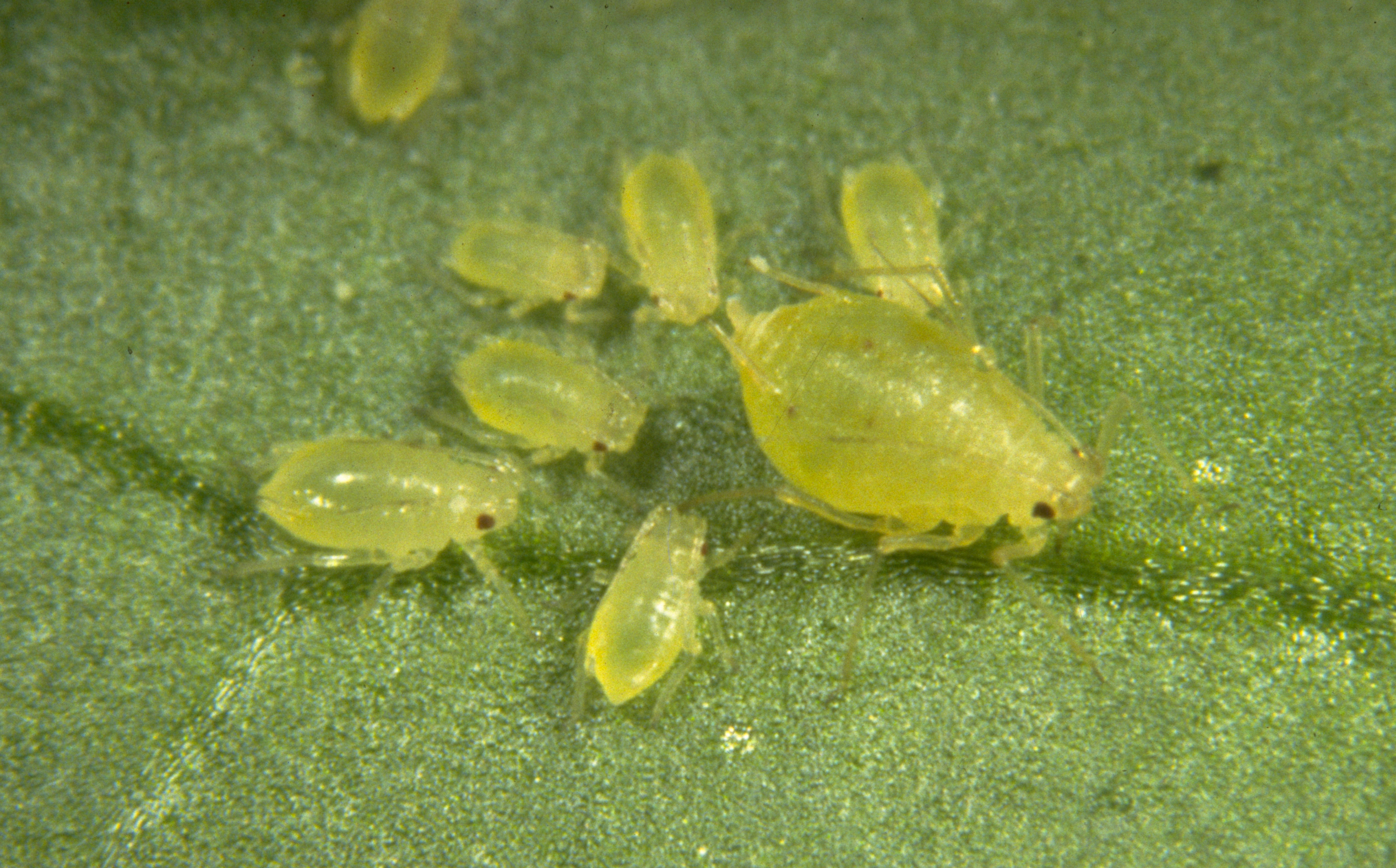
    Aphids are common and troublesome pests in potato cultivation, with several species known to affect these crops. These small, sap-sucking insects can rapidly reproduce and feed on potato plants, causing damage to leaves, stems, and tubers. Aphids are vectors for various plant viruses, making them even more dangerous to potato crops. Their feeding can weaken the plants, stunt growth, and reduce tuber size and quality.

Potato diseases

  • Sclerotinia

    Sclerotinia, caused by the fungal pathogen Sclerotinia sclerotiorum, is a disease that can impact potato crops. This soilborne pathogen is known for its ability to infect a wide range of plants, including potatoes, and can lead to serious economic losses. Sclerotinia primarily affects the underground parts of potato plants, such as tubers and stems, causing rotting and decay. Above-ground symptoms may include wilting and the development of watery, sunken lesions on the stems.

    Control of Sclerotinia in potato

    The beneficial fungus Trichoderma harzianum T-22 (Trianum-P, Trianum-G) operates through several mechanisms to control Sclerotinia in potato crops. Firstly, it competes vigorously for space on the root surface, surpassing other fungi and hinder their establishment. Moreover, Trianum competes for nutrients, stripping pathogens of crucial resources required for their development. Additionally, it grows around the mycelia of Sclerotinia, causing the cells to break down and eventually demise.

    Furthermore, Trianum improves the root system of the plant, fostering the growth of additional root hairs to enhance water and nutrient uptake. This results in a more resilient crop with improved yields, particularly in adverse growing conditions. Trianum also strengthens the plant's defense mechanisms, including induced systemic resistance (ISR), while increasing the availability of essential nutrients such as manganese and iron.

  • Rhizoctonia

    Rhizoctonia, caused by the fungus Rhizoctonia solani (Thanatephorus cucumeris), is a prevalent and economically significant disease affecting potato crops. This soilborne pathogen primarily attacks the underground parts of potato plants, such as tubers, causing symptoms like dry, sunken, and dark lesions. Rhizoctonia can lead to reduced potato yield and quality, making it a critical concern for growers.

    Control Rhizoctonia in potato

    The beneficial fungus Trichoderma harzianum T-22 (Trianum-P, Trianum-G) employs diverse tactics to control Rhizoctonia in potato crops. Initially, it competes effectively for space on the root surface, outstripping other fungi and hindering their establishment. Additionally, Trianum competes for nutrients, stripping Rhizoctonia pathogens of vital resources essential for their growth. Furthermore, it grows around the mycelia of Rhizoctonia, causing the cells to break down and eventually demise.

    Moreover, Trianum strengthens the plant’s root system, fostering the growth of additional root hairs to enhance water and nutrient absorption. This results in a more robust crop with enhanced yields, especially in challenging growing conditions. Trianum also improves the plant's defense mechanisms, such as induced systemic resistance (ISR), while improving the availability of essential nutrients like manganese and iron.

  • Fusarium

    Fusarium, specifically Fusarium spp., represents a significant threat to potato crops. This soilborne fungal pathogen is responsible for causing several diseases, including Fusarium dry rot, wilt, and tuber rot. Symptoms may vary but often include discoloration, rotting, and a noticeable reduction in the quality and marketability of potato tubers. Fusarium's ability to survive in soil for extended periods can make it particularly challenging to manage.

    Control of Fusarium in potato

    The beneficial fungus Trichoderma harzianum T-22 (Trianum-P, Trianum-G) controls Fusarium in potato crops and uses multiple mechanisms. Firstly, it competes for space on the root surface, outpacing other fungi and inhibiting their establishment. Additionally, Trianum competes for nutrients, depriving Fusarium pathogens of crucial resources required for their growth. Moreover, it grows around the mycelia of Fusarium, causing the cells to break down and eventually demise.

    Furthermore, Trianum enhances the plant's resilience by improving the root system, fostering the growth of additional root hairs to facilitate water and nutrient uptake. This results in a more resilient crop with improved yields, particularly in challenging growing conditions. Trianum also reinforces the plant's defense mechanisms, such as induced systemic resistance (ISR), while augmenting the availability of essential nutrients such as manganese and iron.

  • Pythium

    Pythium, caused by various species of water molds, is a disease that can severely impact potato crops. This pathogen thrives in wet and waterlogged soils, making it a significant concern in regions with high humidity or excess moisture. Pythium primarily affects potato seed pieces and young plants, causing symptoms such as rotting, damping-off, and overall stunted growth.

    Control of Pythium in potato

    The beneficial fungus Trichoderma harzianum T-22 (Trianum-P, Trianum-G) controls Pythium in potato crops by using several defense mechanisms. Initially, it competes for space on the root surface, surpassing other fungi and impeding their establishment. Additionally, Trianum competes for nutrients, depriving Pythium pathogens of vital resources necessary for their development.

    Furthermore, it grows around the mycelia of Pythium, causing the cells to break down and eventually demise. Moreover, Trianum strengthens the plant by enhancing the root system, promoting the growth of additional root hairs to enhance water and nutrient absorption. This results in a more resilient crop with improved yields, especially in challenging growing conditions. Trianum also fortifies the plant's defense mechanisms, including induced systemic resistance (ISR), while enhancing the availability of essential nutrients such as manganese and iron.

About

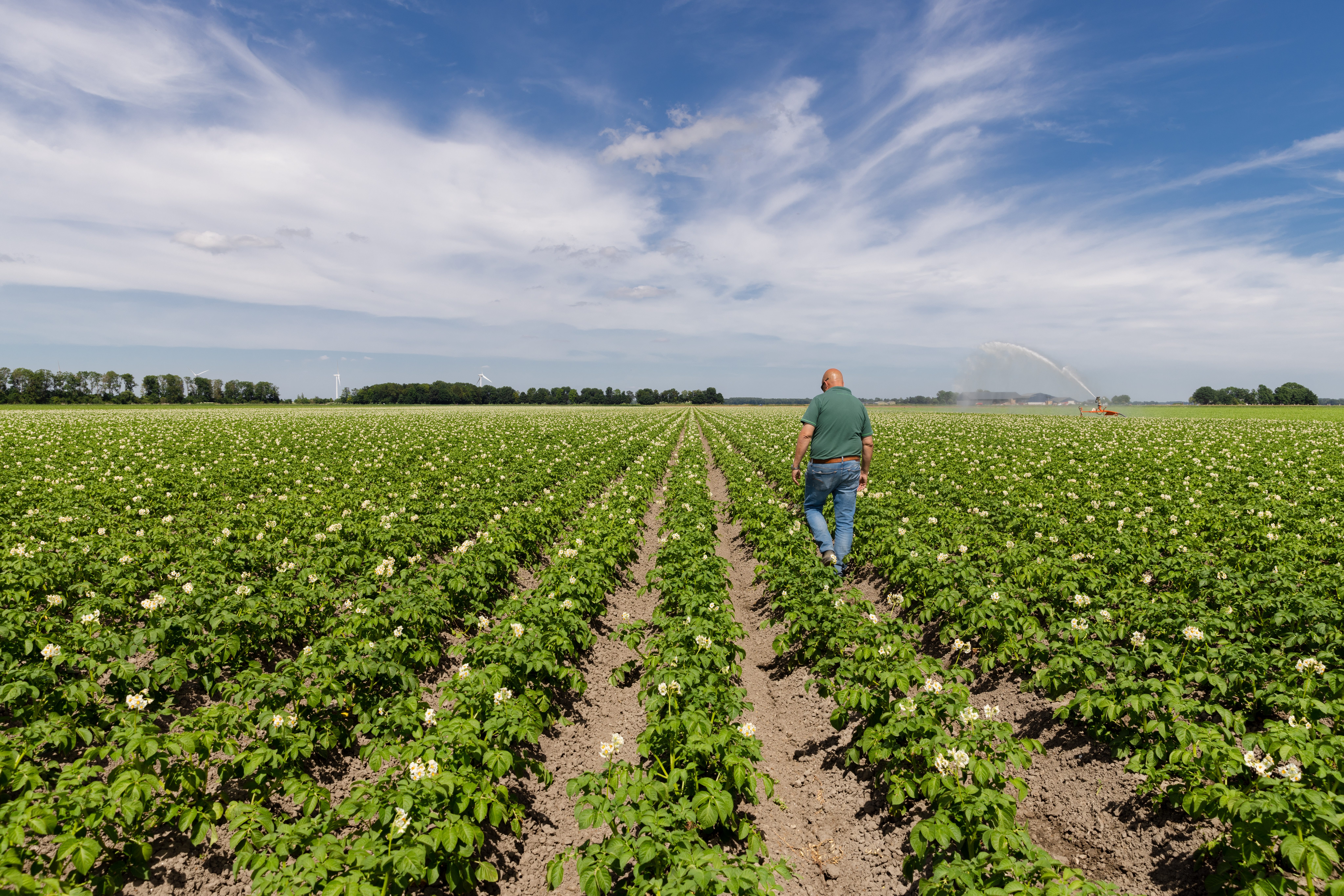
The word ‘potato’ (Solanum tuberosum) is used to refer to the plant itself or its edible tuber. The plant is an herbaceous perennial and came to Europe from Latin America in the second half of the 16th century. Potatoes as a food crop were introduced by the Spanish. Now this starchy, tuberous crop is an integral part of the world’s food supply and many people’s diet. In terms of volume, potato is the fourth-largest food crop in the world, after maize, wheat and rice.

Potato plants grow up to some 60 cm tall. Its leaves die after flowering, fruiting and the development of the potatoes. The plant’s flowers vary from white, pink, red or blue, to purple and have yellow stamens. After the flowering phase, the plants grow small, green fruits which look like cherry tomatoes and contain about 300 seeds each.

Need help?