
Skip to content

Biological solutions for Maize

Filters:
Clear all filters
Show all Show less
products found:

Questions or need help?

Find a reseller
  • Easy to use
  • Minimal resistance
  • No chemical residues
  • No pre-harvest intervals

Learn more about

Integrated Pest Management in maize cultivation
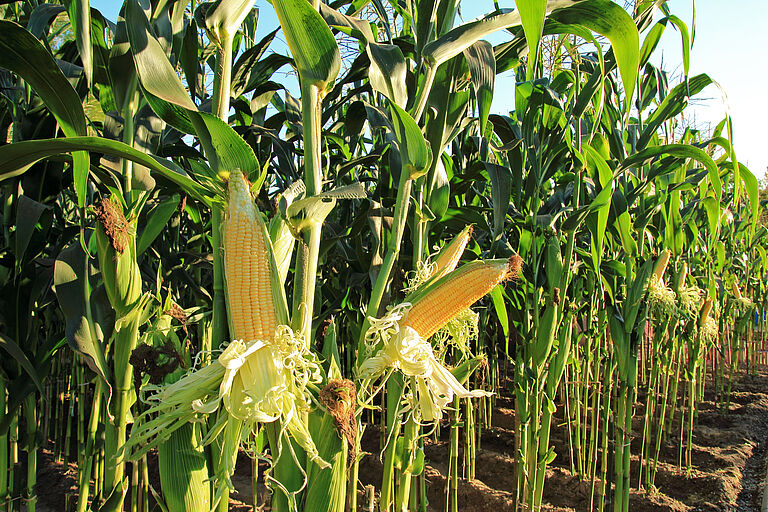
Integrated Pest Management (IPM) is a holistic approach to pest management in maize cultivation that emphasizes sustainable and environmentally friendly practices. By integrating multiple strategies, including cultural and biological control methods, IPM aims to minimize pest damage while reducing reliance on synthetic pesticides. Biological pest control involves the use of natural enemies, such as predators, parasitoids, and pathogens, to regulate pest populations in maize fields. Beneficial organisms like ladybugs, parasitic wasps, and entomopathogenic fungi play crucial roles in suppressing pest populations and maintaining ecological balance. Similarly, biological disease control focuses on harnessing beneficial microorganisms, such as Trichoderma spp. and Bacillus spp., to suppress plant pathogens and enhance maize resistance to diseases. These biological control methods offer sustainable alternatives to chemical pesticides, promoting agricultural resilience and long-term productivity in maize cultivation.
Pest control in maize

There are several pests that can inflict significant damage to maize crops, leading to economic losses and compromising food security. Integrated pest management practices, including cultural, biological, and chemical control measures, are essential for effectively managing pest populations and preserving maize yields.

  • Cotton bollworm

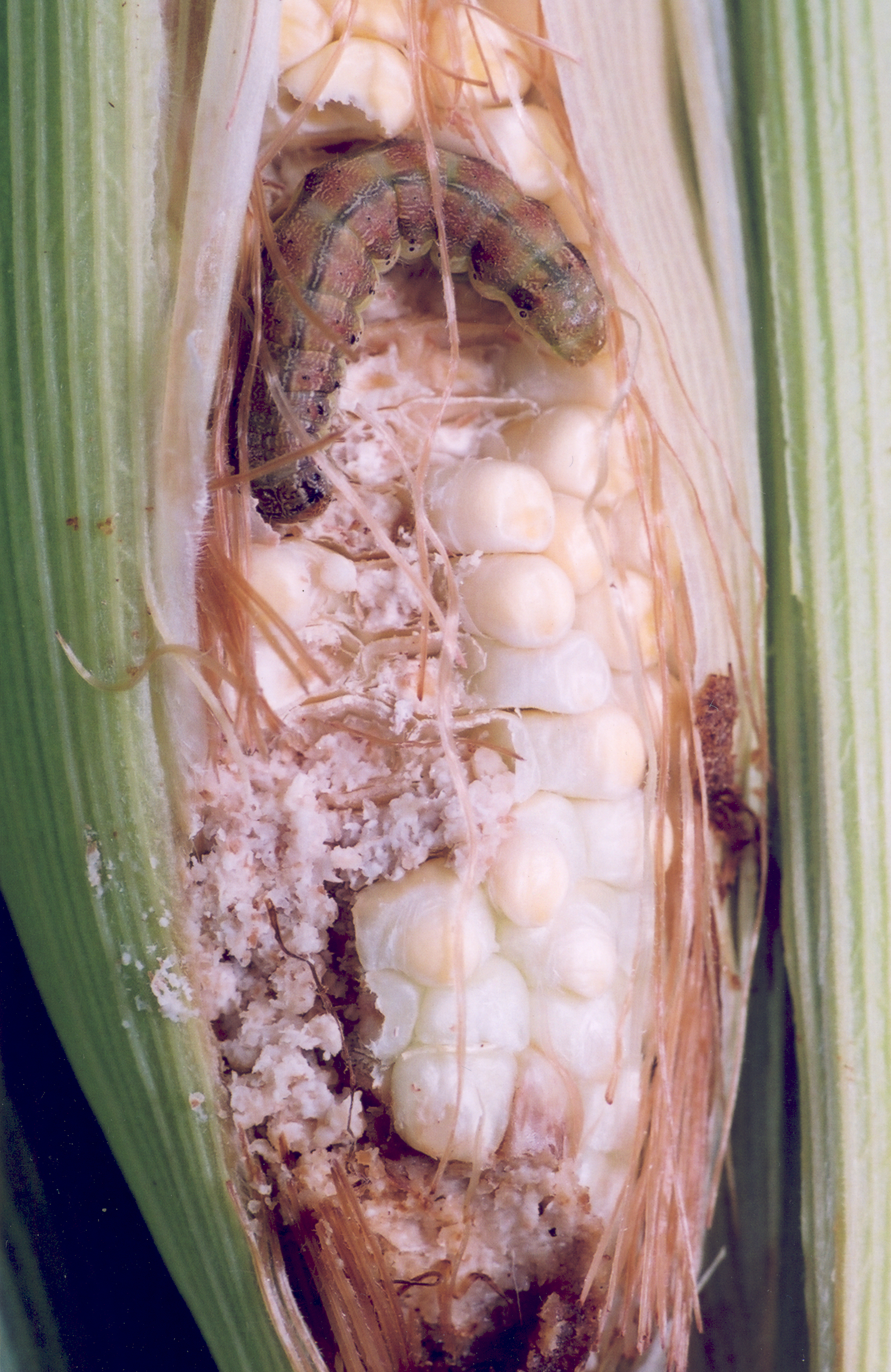
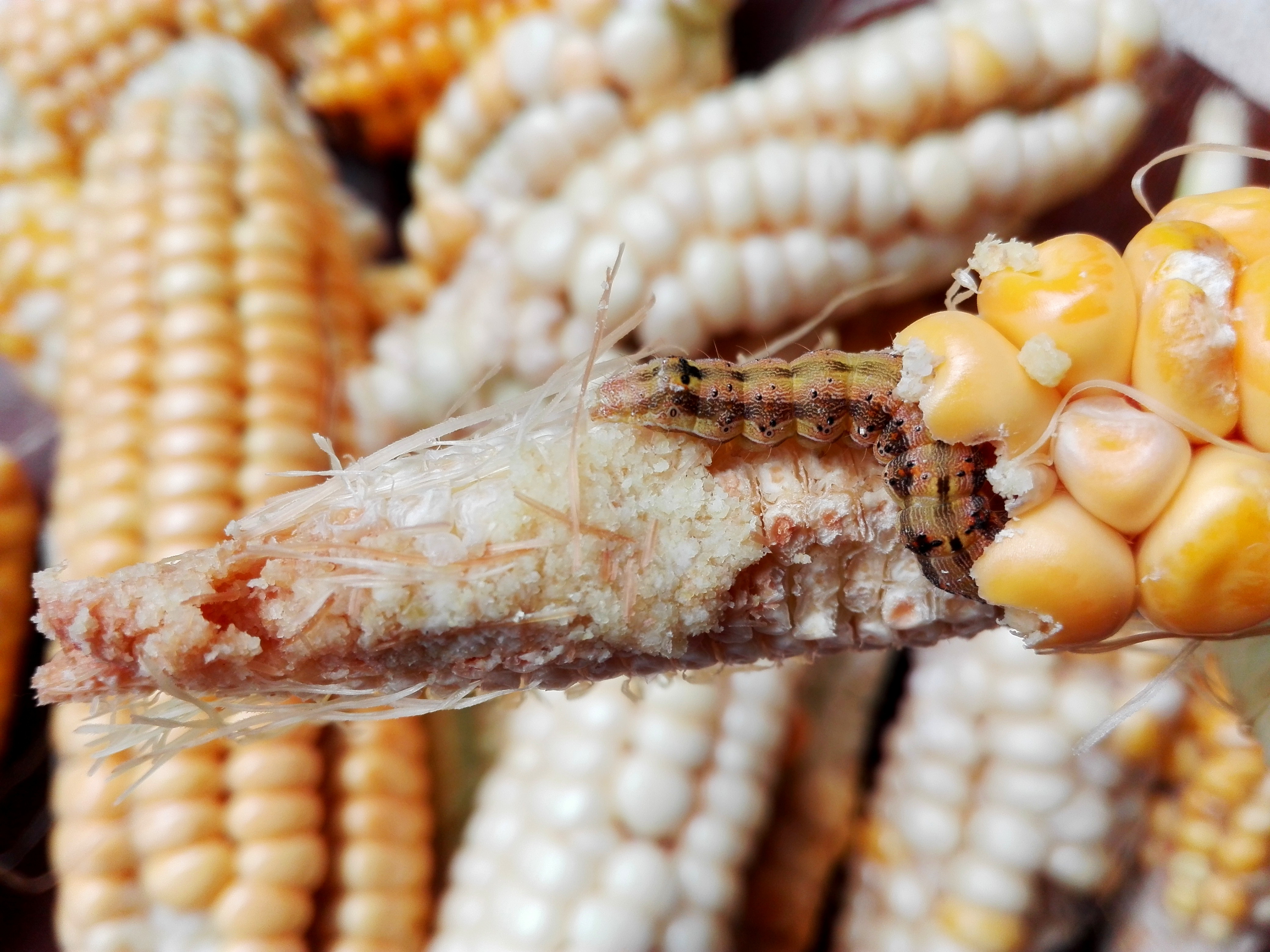
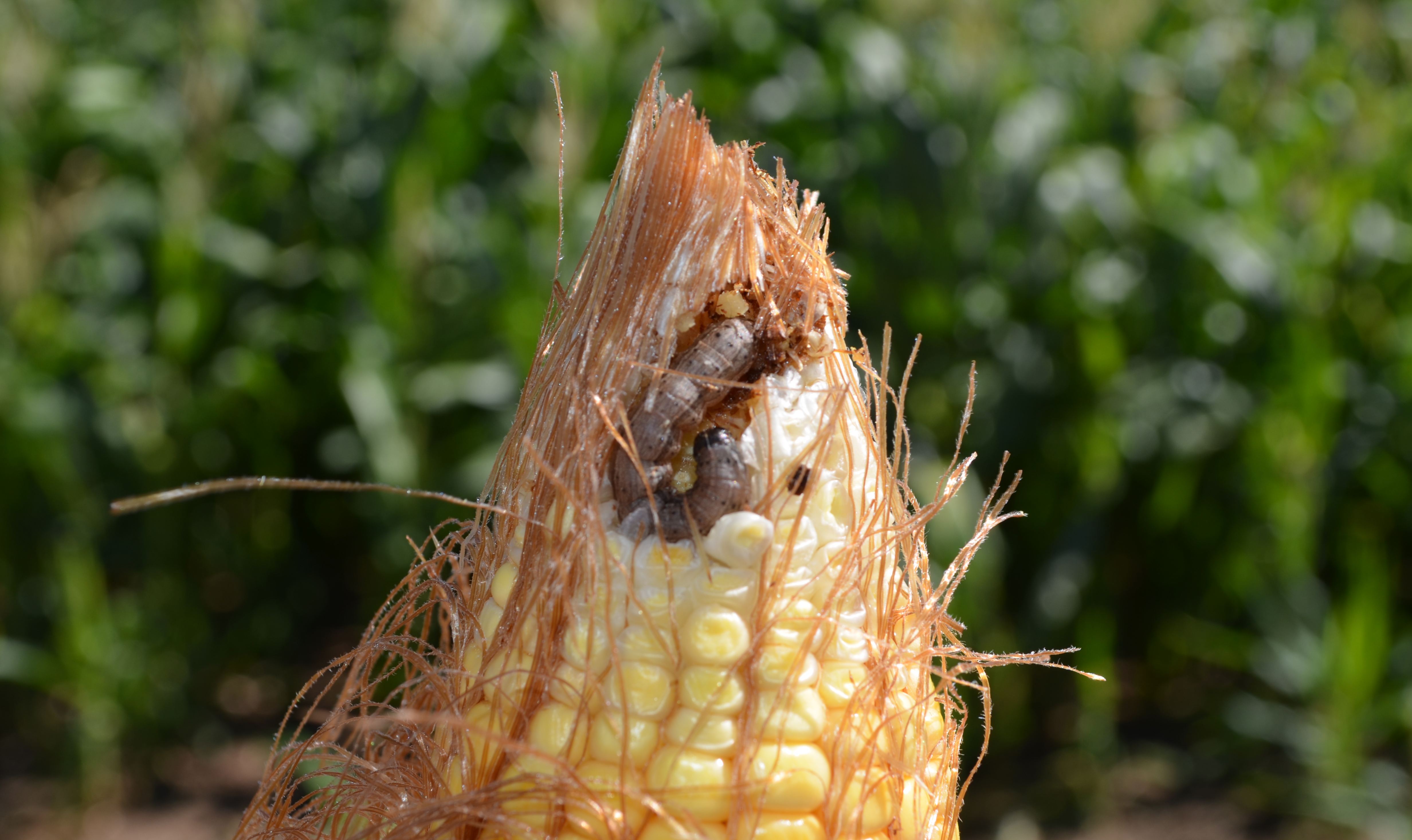
    The cotton bollworm (Helicoverpa armigera) can have significant detrimental effects on maize crops. As a voracious feeder, the larvae of the cotton bollworm primarily target the reproductive structures of maize plants, including the tassels and developing ears. Upon infestation, the larvae bore into maize ears, consuming kernels and damaging the developing seeds. This feeding activity not only reduces grain yield but also compromises the quality of the harvested maize. Additionally, severe infestations of cotton bollworms can lead to increased susceptibility to secondary infections by fungi and bacteria, further exacerbating yield losses. The damage caused by cotton bollworms can result in economic losses for maize growers and necessitates effective pest management strategies to mitigate their impact on crop productivity.

  • Wireworms

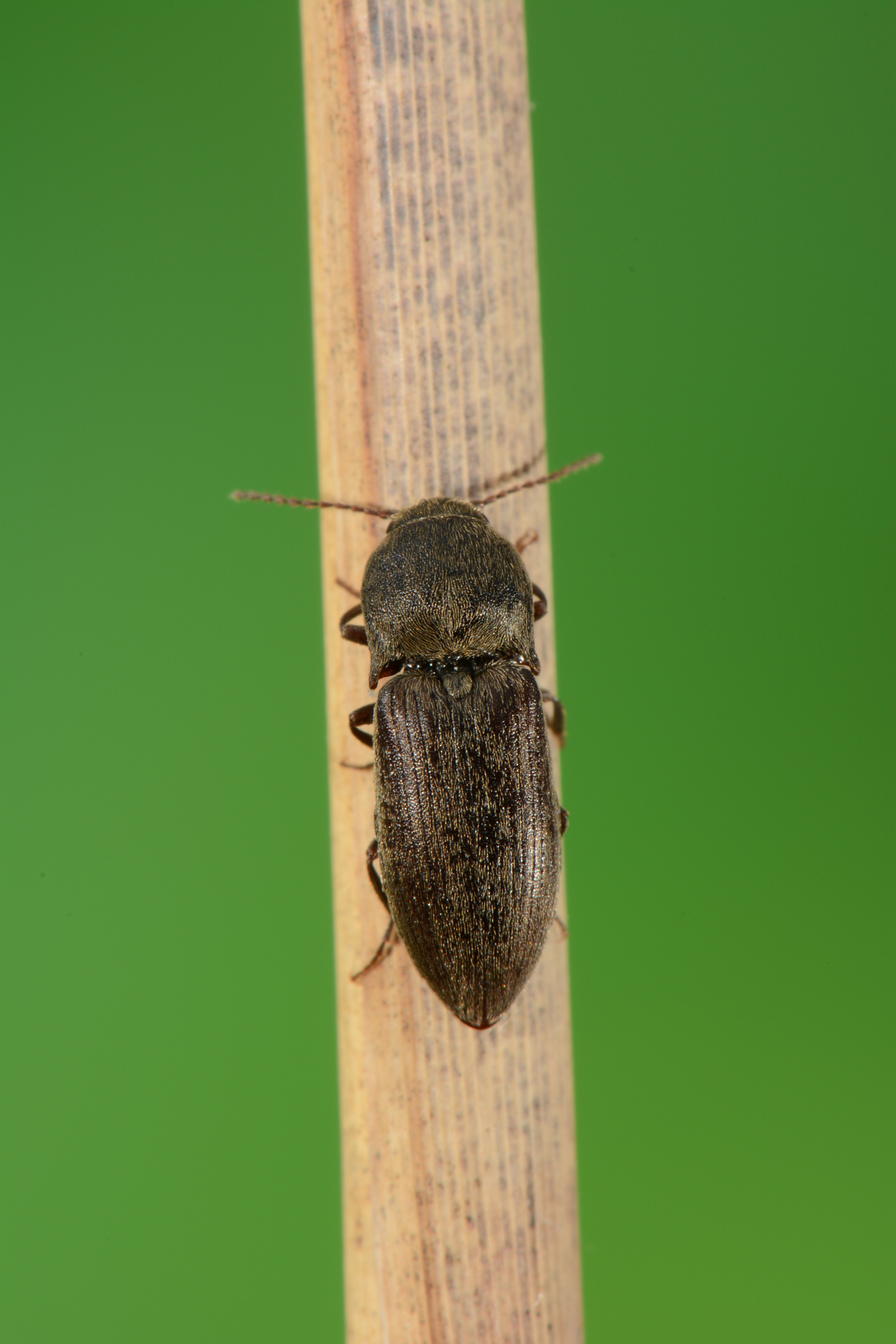
    Wireworms (Agriotes spp.) are soil-dwelling larvae of click beetles that feed on maize roots and seeds, leading to stand reduction and poor crop establishment. Their presence is often associated with reduced yields in maize fields.

  • Corn rootworms

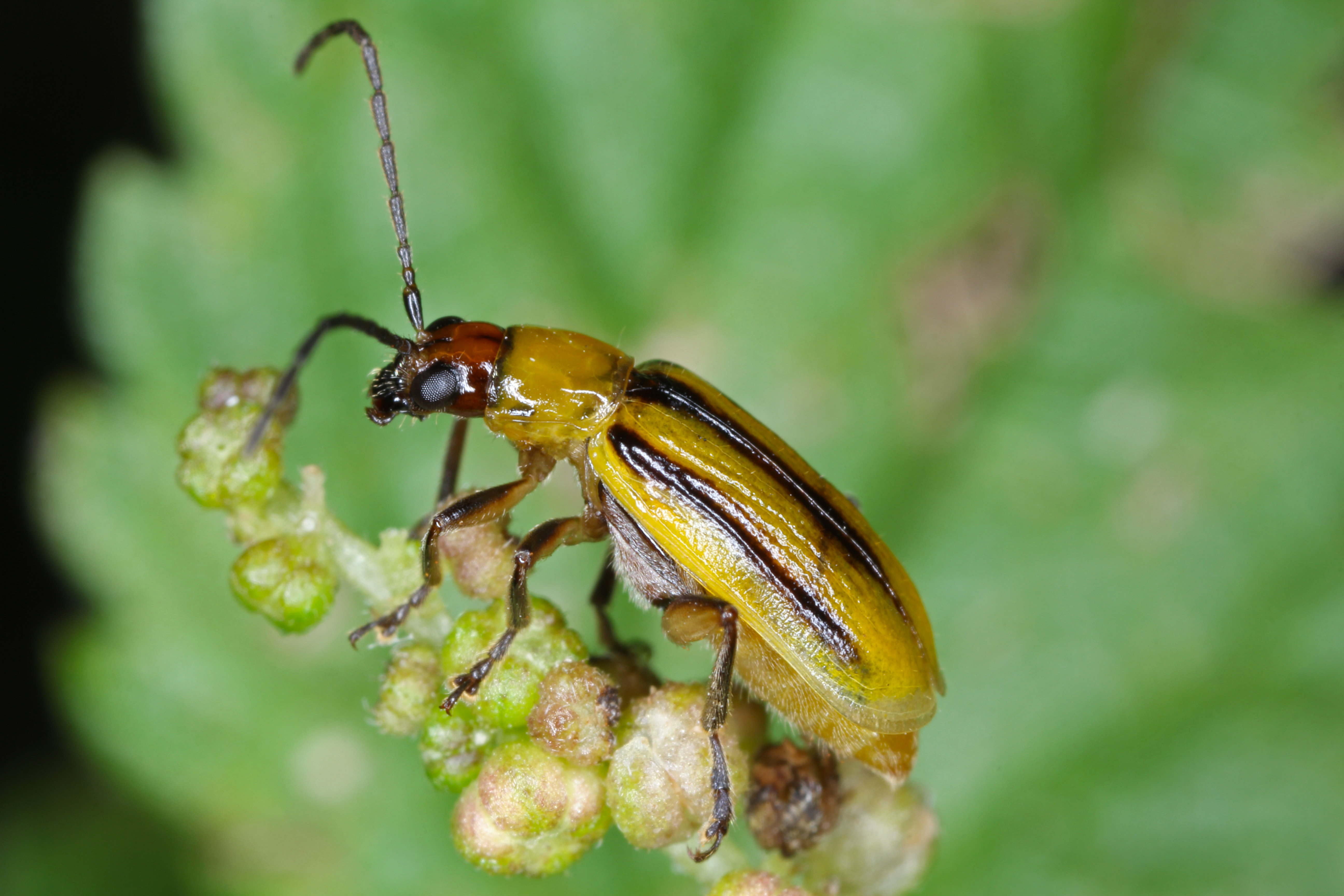
    Corn rootworms (Diabrotica spp.), including the western corn rootworm and the northern corn rootworm (Diabrotica barberi), target maize roots, leading to root injury and impaired nutrient uptake. Severe infestations can cause lodging and yield losses.

  • Corn earworm

    The corn earworm (Helicoverpa zea) is a voracious caterpillar that feeds on maize kernels within the ear, causing yield loss and quality deterioration. They are a major concern, especially during the reproductive stages of maize plants.

  • Fall armyworm

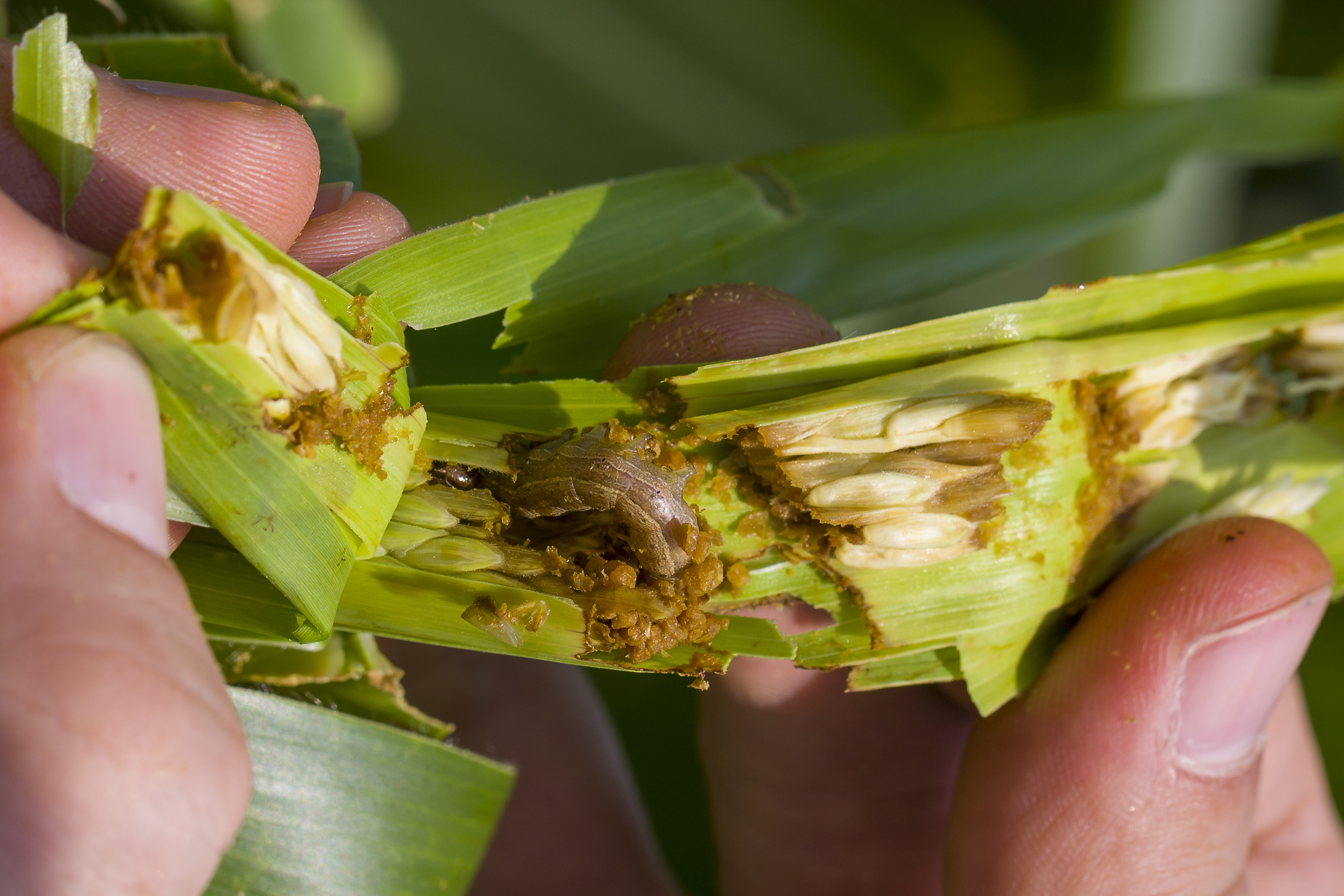
    The fall armyworm (Spodoptera frugiperda) is notorious for it's rapid reproduction and devastating impact on maize crops. The caterpillars feed on leaves, tassels, and developing ears, leading to defoliation, reduced grain quality, and yield loss.

  • European corn borer

    The European corn borer (Ostrinia nubilalis) is a destructive pest that tunnels into maize stems and ears, weakening the plant structure and facilitating disease entry. The larvae can cause extensive damage, resulting in lodging and reduced yields.

Maize diseases

Maize diseases pose significant threats to crop health, leading to reduced yields and economic losses for farmers. Important diseases in corn cultivation are Pythium spp., Rhizoctonia spp., Fusarium spp., Sclerotinia spp. and Microdochium spp..

  • Microdochium

    Microdochium spp., also known as pink ear rot or Fusarium ear blight, are fungal pathogens that infect maize ears during flowering and grain development stages. Infected maize ears develop pink to salmon-colored mold growth, accompanied by mycotoxin contamination. Microdochium infection not only reduces grain quality but also poses risks to livestock and human health if contaminated grain is consumed.

    Control Microdochium in maize

    The beneficial fungus Trichoderma harzianum T-22 (Trianum-P, Trianum-G) operates through several mechanisms to control Microdochium in maize crops. Firstly, it competes vigorously for space on the root surface, surpassing other fungi and hinder their establishment. Moreover, Trianum competes for nutrients, stripping pathogens of crucial resources required for their development. Additionally, it grows around the mycelia of Microdochium, causing the cells to break down and eventually demise.

    Furthermore, Trianum improves the root system of the plant, fostering the growth of additional root hairs to enhance water and nutrient uptake. This results in a more resilient crop with improved yields, particularly in adverse growing conditions. Trianum also strengthens the plant's defense mechanisms, including induced systemic resistance (ISR), while increasing the availability of essential nutrients such as manganese and iron.

  • Sclerotinia

    Sclerotinia spp., commonly known as white mold, are fungal pathogens that infect maize crops during periods of cool, wet weather. These pathogens produce white, fluffy mycelium and hard, black sclerotia on infected plant tissues. Sclerotinia infection leads to lesions on maize stems, leaves, and ears, compromising plant health and reducing grain quality. Severe outbreaks of white mold can cause significant yield losses in maize fields.

    Control Sclerotinia in maize

    The beneficial fungus Trichoderma harzianum T-22 (Trianum-P, Trianum-G) operates through several mechanisms to control Sclerotinia in maize crops. Firstly, it competes vigorously for space on the root surface, surpassing other fungi and hinder their establishment. Moreover, Trianum competes for nutrients, stripping pathogens of crucial resources required for their development. Additionally, it grows around the mycelia of Sclerotinia, causing the cells to break down and eventually demise.

    Furthermore, Trianum improves the root system of the plant, fostering the growth of additional root hairs to enhance water and nutrient uptake. This results in a more resilient crop with improved yields, particularly in adverse growing conditions. Trianum also strengthens the plant's defense mechanisms, including induced systemic resistance (ISR), while increasing the availability of essential nutrients such as manganese and iron.

  • Rhizoctonia

    Rhizoctonia spp. are fungal pathogens that cause root and crown rot in maize crops. These pathogens thrive in warm and moist soil conditions, making them particularly troublesome in high humidity environments. Rhizoctonia infection results in dark, sunken lesions on maize roots and lower stems, impeding nutrient uptake and water absorption. Affected plants may exhibit wilting, yellowing of leaves, and ultimately, reduced yield potential.

    Control Rhizoctonia in maize

    The beneficial fungus Trichoderma harzianum T-22 (Trianum-P, Trianum-G) employs diverse tactics to control Rhizoctonia in maize crops. Initially, it competes effectively for space on the root surface, outstripping other fungi and hindering their establishment. Additionally, Trianum competes for nutrients, stripping Rhizoctonia pathogens of vital resources essential for their growth. Furthermore, it grows around the mycelia of Rhizoctonia, causing the cells to break down and eventually demise.

    Moreover, Trianum strengthens the plant’s root system, fostering the growth of additional root hairs to enhance water and nutrient absorption. This results in a more robust crop with enhanced yields, especially in challenging growing conditions. Trianum also improves the plant's defense mechanisms, such as induced systemic resistance (ISR), while improving the availability of essential nutrients like manganese and iron.

  • Fusarium

    Fusarium spp. encompass a group of fungi known to cause several diseases in maize, including stalk rot, ear rot, and Fusarium wilt. Fusarium infection in maize crops can lead to lodging, where weakened stalks collapse under the weight of the ears, resulting in yield losses and harvest difficulties. Ear rot caused by Fusarium spp. can also contaminate grain with mycotoxins, posing risks to both human and animal health.

    Control Fusarium in maize

    The beneficial fungus Trichoderma harzianum T-22 (Trianum-P, Trianum-G) controls Fusarium in maize crops and uses multiple mechanisms. Firstly, it competes for space on the root surface, outpacing other fungi and inhibiting their establishment. Additionally, Trianum competes for nutrients, depriving Fusarium pathogens of crucial resources required for their growth. Moreover, it grows around the mycelia of Fusarium, causing the cells to break down and eventually demise.

    Furthermore, Trianum enhances the plant's resilience by improving the root system, fostering the growth of additional root hairs to facilitate water and nutrient uptake. This results in a more resilient crop with improved yields, particularly in challenging growing conditions. Trianum also reinforces the plant's defense mechanisms, such as induced systemic resistance (ISR), while augmenting the availability of essential nutrients such as manganese and iron.

  • Pythium

    Pythium spp. are soilborne pathogens that cause seed rot, seedling blight, and root rot in maize crops. Upon germination, Pythium spp. can infect seeds and seedlings, leading to damping-off and poor stand establishment. Infected plants exhibit stunted growth, yellowing of leaves, and ultimately, plant death. In addition to direct damage, Pythium spp. can also predispose maize plants to secondary infections by other pathogens, exacerbating crop losses.

    Control Pythium in maize

    The beneficial fungus Trichoderma harzianum T-22 (Trianum-P, Trianum-G) controls Pythium in maize crops by using several defense mechanisms. Initially, it competes for space on the root surface, surpassing other fungi and impeding their establishment. Additionally, Trianum competes for nutrients, depriving Pythium pathogens of vital resources necessary for their development.

    Furthermore, it grows around the mycelia of Pythium, causing the cells to break down and eventually demise. Moreover, Trianum strengthens the plant by enhancing the root system, promoting the growth of additional root hairs to enhance water and nutrient absorption. This results in a more resilient crop with improved yields, especially in challenging growing conditions. Trianum also fortifies the plant's defense mechanisms, including induced systemic resistance (ISR), while enhancing the availability of essential nutrients such as manganese and iron.

About

Maize or corn (Zea mays subsp. mays), is a large grain plant that divided in six main types: flint corn, dent corn, popcorn, pod corn, sweet corn and flour corn. Already about 10,000 years ago, maize was domesticated by the indigenous communities in Mexico and it still plays a main role in the preparation of Mexican food dishes.

The leafy stalk of the maize plant produces separate pollen and ovuliferous inflorescences, also specified as ears, which are fruit, producing kernels. These kernels are often incorrectly referred to as seeds. Maize kernels often serve as starch in cooking practices.

Nowadays, maize is extensively cultivated all over the world. When it comes to numbers and volumes; there is more maize produced every year (in terms of weight) than of any other grain.

Need help?